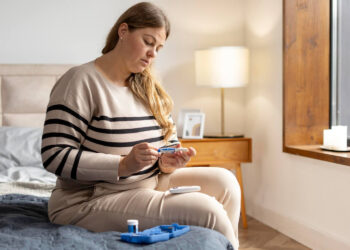
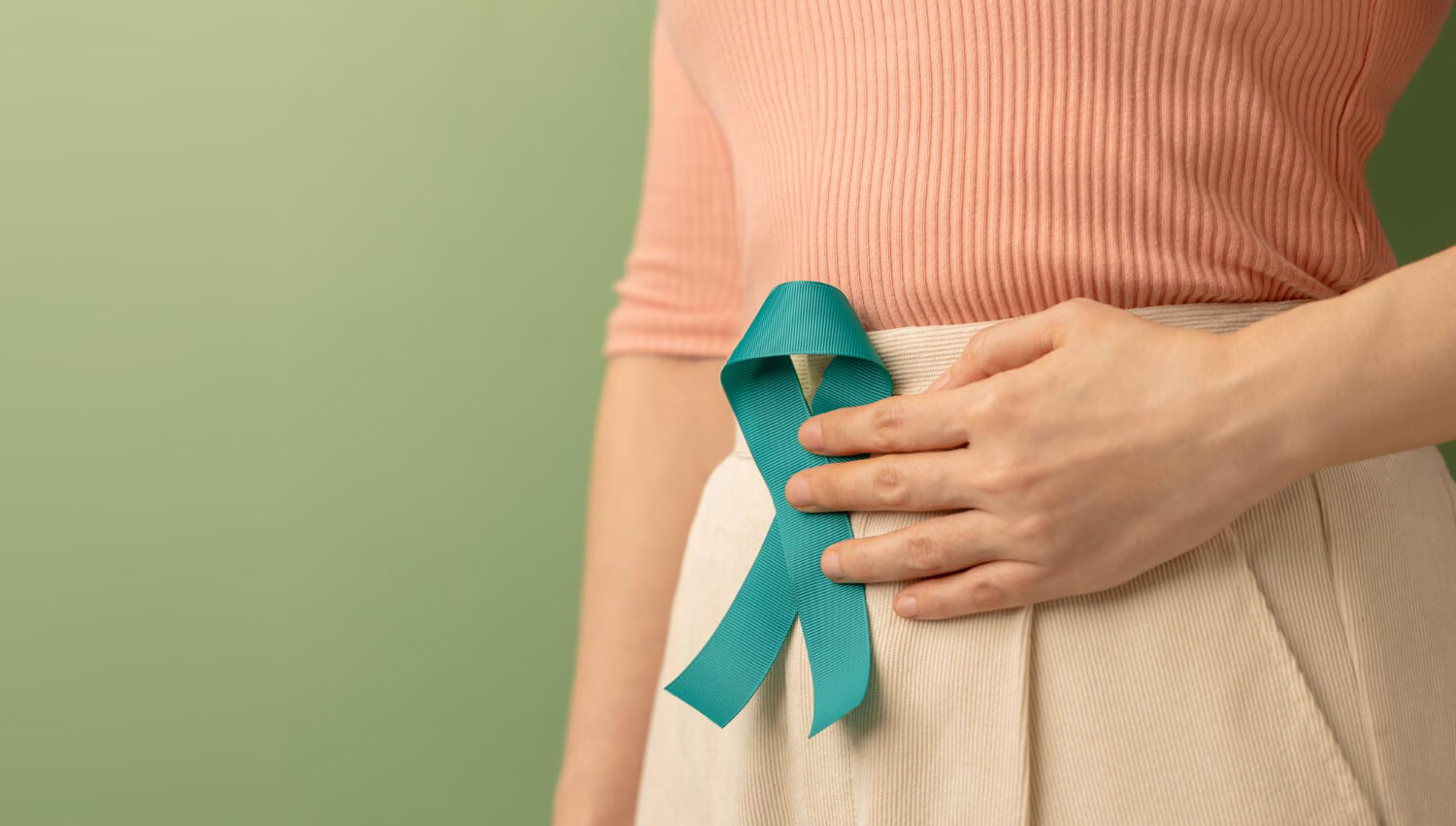
Something feels off, but nothing seems to explain it. Periods that come whenever they please, or barely come at all. Stubborn weight that clings to the midsection despite best efforts. Breakouts that should have ended in the teenage years. Hair growing where it shouldn’t, while thinning where it should stay thick. For millions of women, these frustrating symptoms have a name: Polycystic Ovary Syndrome, or PCOS.
PCOS affects an estimated 10-13% of women of reproductive age worldwide, making it one of the most common hormonal disorders. Yet according to the World Health Organization, up to 70% of women with PCOS remain undiagnosed. That means millions are living with unexplained symptoms, often dismissed as just stress or bad genes. Understanding PCOS symptoms is the first step toward diagnosis, treatment, and taking back control.
What Is PCOS?
Polycystic Ovary Syndrome is a hormonal disorder that affects the ovaries and the body’s metabolic system. Despite the name, not all women with PCOS have cysts on their ovaries, and having ovarian cysts doesn’t automatically mean PCOS. The condition is characterized by three main features (though not all need to be present for diagnosis)
- Irregular or absent ovulation: Leading to menstrual irregularities.
- Excess androgens: Higher levels of “male” hormones like testosterone
- Polycystic ovaries: Ovaries with multiple small follicles visible on ultrasound
PCOS is fundamentally a hormonal imbalance. The ovaries produce higher-than-normal
amounts of androgens, which can disrupt the menstrual cycle, prevent ovulation, and cause a
cascade of other symptoms. But PCOS isn’t just a reproductive issue. It’s also a metabolic condition with links to insulin resistance, type 2 diabetes, heart disease, and other long-term health concerns.

11 PCOS Symptoms to Watch For
1. Irregular Periods
This is often the first and most noticeable PCOS symptoms. Women with PCOS may experience:
- Periods that come unpredictably (sometimes months apart)
- Extremely light or unusually heavy periods
- Complete absence of periods (amenorrhea)
- Cycles shorter than 21 days or longer than 35 days.
Irregular periods happen because ovulation isn’t occurring regularly. Without ovulation, the
uterine lining builds up longer than normal, leading to heavier or more unpredictable bleeding
when periods do occur.
2. Difficulty Getting Pregnant
PCOS is one of the leading causes of infertility, primarily because irregular ovulation means fewer opportunities for conception.
However, having PCOS doesn’t mean pregnancy is impossible. Many women with PCOS conceive naturally or with medical assistance. Early diagnosis and treatment significantly improve fertility outcomes.
3. Excess Hair Growth (Hirsutism)
Elevated androgens can trigger hair growth in places typically associated with male patterns:
- Face (especially upper lip, chin, and jawline)
- Chest
- Back
- Abdomen
This symptom, called hirsutism, affects up to 70% of women with PCOS and is often one of the most distressing aspects of the condition.
4. Acne and Oily Skin
Androgens stimulate oil glands, leading to:
- Persistent acne (especially along the jawline, chin, and lower face)
- Oily skin
- Clogged pores and breakouts that don’t respond well to typical treatments
Adult acne that develops after the teenage years, or never goes away, can be a sign of hormonal imbalance.
5. Hair Thinning and Hair Loss
While excess androgens cause unwanted hair growth in some areas, they can have the opposite effect on the scalp.
Women with PCOS may notice:
- Thinning hair, especially at the crown
- A widening part
- Male-pattern hair loss (receding at the temples)
This type of hair loss is called androgenic alopecia and can be emotionally challenging.
6. Weight Gain and Difficulty Losing Weigh
Weight struggles are extremely common with PCOS.
Many women with the condition experience:
- Weight gain, particularly around the abdomen
- Difficulty losing weight despite diet and exercise
- Rapid weight gain that seems unexplained
Insulin resistance plays a major role here. When cells don’t respond properly to insulin, the body produces more of it, and high insulin levels promote fat storage, especially around the midsection.
7. Darkened Skin Patches (Acanthosis Nigricans)
Dark, velvety patches of skin can appear in body folds and creases:
- Back of the neck
- Armpits
- Under the breasts
- Groin area
This condition, called acanthosis nigricans, is a visible sign of insulin resistance and often accompanies PCOS.
8. Skin Tags
Small, soft growths of skin that appear in areas like the neck, armpits, and groin are more common in women with PCOS.
Like darkened skin patches, skin tags are associated with insulin resistance.
9. Fatigue
Chronic fatigue that doesn’t improve with rest is a common but often overlooked PCOS symptom.
The fatigue may be related to:
- Blood sugar fluctuations from insulin resistance
- Sleep disturbances (PCOS increases risk of sleep apnea)
- The overall metabolic burden of the condition
- Associated mood disorders
10. Mood Changes and Mental Health Issues
PCOS doesn’t just affect the body, it impacts mental health too.
Women with PCOS have higher rates of:
- Depression
- Anxiety
- Mood swings
- Reduced quality of life
The relationship is complex. Hormonal imbalances, body image concerns, fertility struggles, and chronic symptom management all contribute to mental health challenges.
11. Pelvic Pain
Some women with PCOS experience chronic pelvic pain or discomfort, though this isn’t universal.
Pain may be related to:
- Ovarian cysts
- Heavy or prolonged periods
- General inflammation
How is PCOS Diagnosed?
There’s no single test for PCOS. Diagnosis typically involves:
Medical history : Discussion of menstrual patterns, symptoms, and family history
Physical exam : Checking for signs like excess hair growth, acne, and weight distribution
Blood tests : Measuring hormone levels (testosterone, LH, FSH), blood sugar, and insulin
Pelvic ultrasound : Looking for polycystic ovaries (12+ small follicles per ovary or enlarged ovaries)
Most doctors use the Rotterdam criteria for diagnosis, which requires at least two of these three features:
1. Irregular or absent ovulation
2. Clinical or biochemical signs of high androgens
3. Polycystic ovaries on ultrasound
Other conditions that can cause similar symptoms, thyroid disorders, elevated prolactin, or adrenal issues, must be ruled out first.
Managing PCOS
While there’s no cure for PCOS, symptoms can be effectively managed through a combination of lifestyle changes and medical treatment.
Lifestyle Management
International guidelines recommend lifestyle changes as first-line treatment:
Diet: The Mediterranean diet or low-glycemic eating patterns help manage insulin resistance.
Focus on:
- Non-starchy vegetables
- Lean proteins
- Whole grains
- Healthy fats (olive oil, nuts, fatty fish)
- Limiting processed foods and added sugars
Exercise: Regular physical activity improves insulin sensitivity, even without weight loss. Both aerobic exercise and strength training are beneficial. Even a 20 30 minute daily walk makes a difference.
Weight management: Losing just 5-10% of body weight can significantly improve symptoms for those who are overweight.
Stress management: Chronic stress worsens hormonal imbalances. Practices like meditation, yoga, and adequate sleep support overall health.
Medical Treatment
Depending on symptoms and goals, treatment may include:
Birth control pills: Regulate periods and reduce androgens
Metformin: Improves insulin resistance
Anti-androgen medications: Reduce unwanted hair growth and acne
Fertility medications: Stimulate ovulation when pregnancy is desire
Spironolactone: Addresses hirsutism and hair loss
Treatment is highly individualized based on which symptoms are most bothersome and whether pregnancy is a goal.
When to See a Doctor
Consider seeing a healthcare provider if:
- Periods are irregular, absent, or extremely heavy
- Acne or excess hair growth has developed or worsened in adulthood
- Difficulty losing weight despite consistent effort
- Trying to conceive without success for 6-12 months
- Any combination of the symptoms above
Early diagnosis allows for earlier treatment, which can prevent or reduce long-term complications.
The Bottom Line
PCOS is one of the most common hormonal disorders, yet it remains widely underdiagnosed and misunderstood.
The symptoms, irregular periods, weight struggles, unwanted hair growth, acne, fatigue, mood changes, often develop gradually and can be dismissed as unrelated issues. But recognizing these PCOS symptoms as part of a connected pattern is the first step toward getting answers.
PCOS isn’t curable, but it’s highly manageable. With the right combination of lifestyle changes and medical treatment, most women can control their symptoms and protect their long-term health.
If any of these symptoms resonate, the conversation with a healthcare provider is worth having.
Internal Links:
Disclaimer: This article is for informational purposes only and does not constitute medical advice. If you suspect you have PCOS, consult a healthcare professional for proper diagnosis and treatment.