
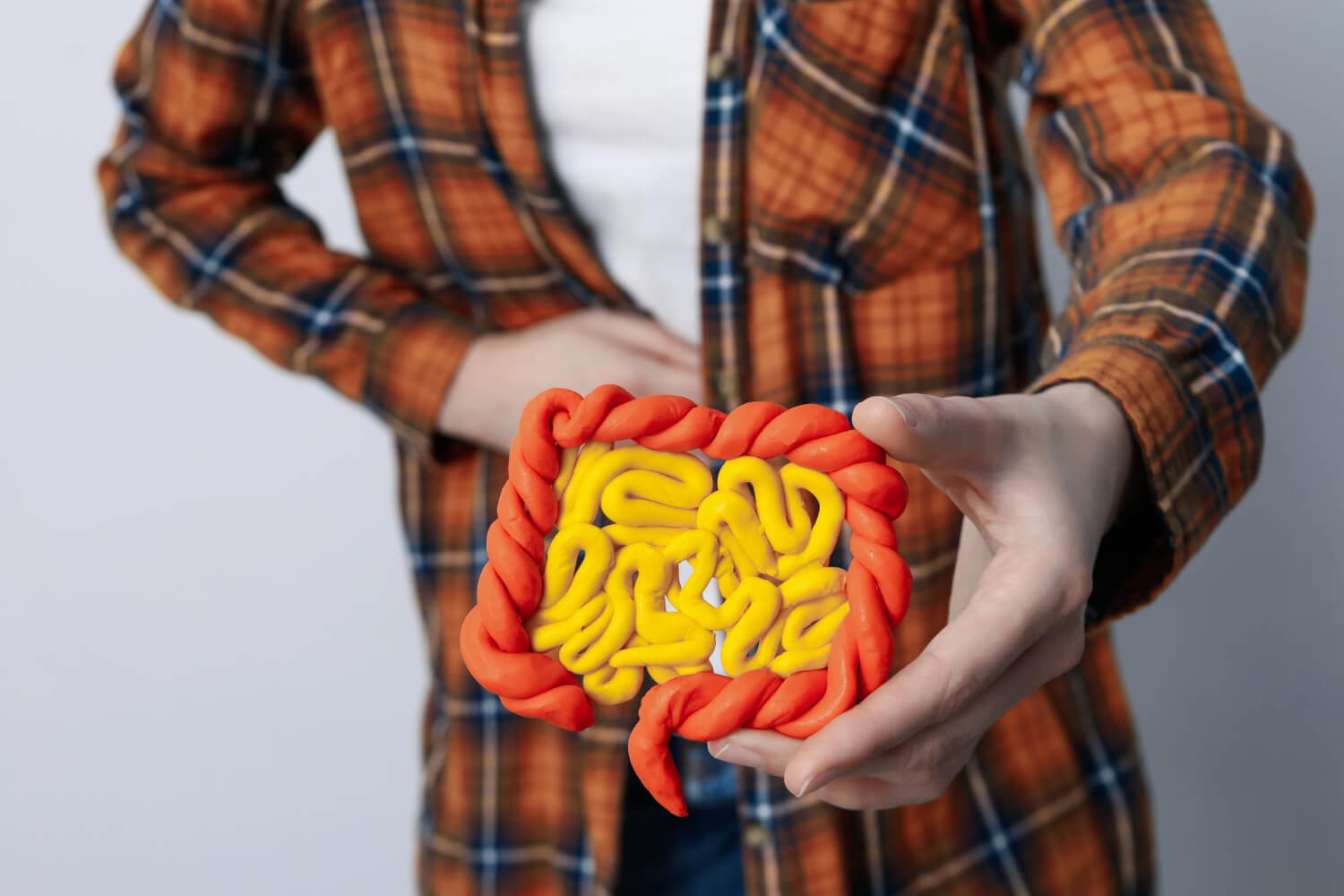
The gut has been called the “second brain” and for good reason. Trillions of bacteria, fungi, and other microorganisms live in the digestive tract, collectively known as the gut microbiome. This microscopic ecosystem doesn’t just digest food. It influences mood, immunity, weight, skin, sleep, and even the risk of chronic disease.
When the gut is healthy, these processes hum along smoothly. But when the microbiome falls out of balance a state called dysbiosis the effects ripple throughout the entire body. The tricky part? Many signs of an unhealthy gut don’t seem gut-related at all. Fatigue, skin
problems, mood swings, and frequent colds can all trace back to what’s happening in the digestive system. Here’s how to recognize when the gut is asking for help
What Is a Healthy Gut?
A healthy gut efficiently digests food, absorbs nutrients, and maintains a diverse community of
beneficial bacteria. It communicates constantly with the immune system, brain, and metabolism.
Signs of a well-functioning gut include:
- Regular, comfortable bowel movements
- Minimal bloating or gas
- Stable energy levels
- Clear skin
- Strong immunity
- Balanced mood
When something disrupts this balance poor diet, chronic stress, antibiotics, infections, or lack of sleep the gut microbiome shifts. Harmful bacteria may overgrow. Beneficial bacteria may decline. And the consequences extend far beyond digestion.

10 Signs of an Unhealthy Gut
1. Bloating and Excessive Gas
Occasional bloating after a large meal is normal. But frequent, uncomfortable bloating especially when unrelated to specific foods often signals gut dysfunction. When gut bacteria are imbalanced, they struggle to break down food properly. This leads to fermentation in the intestines, producing excess gas that causes bloating, discomfort, and frequent flatulence. Bloating that worsens throughout the day or appears after most meals suggests the gut isn’t processing food efficiently.
2. Irregular Bowel Movements
The gut is supposed to move things along predictably. Chronic diarrhea, ongoing constipation, or
constantly alternating between the two are clear signs something is off.
These patterns may indicate:
- Inflammation in the digestive tract
- Impaired gut motility (how quickly food moves through)
- Altered bacterial balance
- Food intolerances
Stool changes mucus, floating stools, excessive foul odor can also signal that digestion or
nutrient absorption isn’t working properly.
3. Food Intolerances and Sensitivities
Suddenly reacting to foods that were never a problem before? This is a common sign of gut imbalance.
When the gut microbiome is compromised, the intestinal lining may become more permeable sometimes called “leaky gut.” This allows partially digested food particles to enter the bloodstream, triggering immune reactions.
Common culprits include dairy, gluten, eggs, and certain high-fiber vegetables. If food sensitivities seem to be multiplying, the gut likely needs attention.
4. Constant Fatigue
The gut and energy levels are deeply connected.
An unhealthy gut can impair nutrient absorption, leaving the body short on essential vitamins and minerals needed for energy production. Gut imbalances also affect sleep quality through the
gut-brain connection.
Additionally, about 95% of serotonin a neurotransmitter that regulates mood and sleep is produced in the gut. Dysbiosis can disrupt serotonin production, contributing to fatigue and poor sleep.
If exhaustion persists despite adequate rest, the gut may be a factor.
5. Skin Problems
The gut-skin connection is real. Conditions like acne, eczema, rosacea, and psoriasis have been linked to gut health. An imbalanced microbiome can trigger systemic inflammation, which often manifests on the skin.
Research shows that people with certain skin conditions frequently have altered gut bacteria compared to those with clear skin. Healing the gut often improves skin sometimes dramatically.
6. Unintentional Weight Changes
Gaining or losing weight without changes in diet or exercise? The gut microbiome may be involved.
Gut bacteria influence how the body:
- Extracts calories from food
- Stores fat
- Regulates blood sugar
- Controls appetite hormones
An imbalanced microbiome can impair nutrient absorption, promote fat storage, and trigger inflammation that disrupts metabolism. Studies have found distinct differences between the gut bacteria of lean individuals and those who are overweight.
7. Mood Issues: Anxiety and Depression
The gut-brain axis is a two-way communication highway. What happens in the gut directly affects the brain and vice versa.
An unhealthy gut has been linked to:
- Anxiety
- Depression
- Mood swings
- Brain fog
- Difficulty concentrating
This connection is partly due to the vagus nerve, which links the gut and brain, and partly due to the gut’s role in producing neurotransmitters like serotonin and dopamine.
Persistent mood issues that don’t respond to other interventions may have roots in gut health.
8. Frequent Illness and Weak Immunity
About 70% of the immune system resides in the gut. A healthy microbiome teaches immune cells to recognize threats and respond appropriately.
When the gut is out of balance, immune function suffers.
This can lead to:
- Frequent colds and infections
- Slow wound healing
- Autoimmune flare-ups
- Chronic inflammation
If getting sick seems to happen constantly, supporting gut health may strengthen immune defenses.
9. Sugar Cravings
Craving sugar constantly? The gut bacteria might be driving those cravings.
Certain bacteria thrive on sugar. When they dominate the microbiome, they can actually influence cravings through the gut-brain axis, essentially demanding more of the food they prefer.
The cruel irony: feeding those cravings perpetuates the imbalance, creating a cycle that’s hard to break without deliberately shifting the microbiome toward healthier bacteria.
10. Bad Breath
Chronic bad breath that doesn’t improve with better oral hygiene may originate in the gut.
An imbalanced microbiome can produce excess gases and compounds that contribute to
halitosis. Digestive issues like acid reflux, which is often gut-related, can also cause persistent bad breath.
If mouthwash and dental visits don’t solve the problem, the gut deserves investigation.
How to Improve Gut Health
Eat More Fiber and Fermented Foods
Fiber feeds beneficial bacteria. Fermented foods introduce live cultures that support microbial diversity.
Gut-friendly foods include:
- Vegetables and fruits (especially leafy greens)
- Legumes and beans
- Whole grains
- Yogurt with live cultures
- Kefir, kimchi, sauerkraut, miso
Reduce Processed Foods and Sugar
Processed foods and added sugars feed harmful bacteria and promote inflammation. Reducing them can shift the microbiome toward a healthier balance within weeks.
Manage Stress
Chronic stress directly impacts gut function. Practices like meditation, deep breathing, adequate sleep, and regular exercise support both mental health and gut health.
Move Your Body
Physical activity promotes microbial diversity and supports healthy gut motility.
Even a daily walk makes a difference.
Consider Probiotics
Carefully Probiotics can help some people, but they’re not one-size-fits-all. Different strains have different effects, and what works for one person may not work for another.
A food-first approach prioritizing whole foods and fermented foods is generally more effective than relying on supplements alone.
Limit Unnecessary Antibiotics
While sometimes essential, antibiotics disrupt the gut microbiome. Only use them when medically necessary, and consider probiotic support during and after antibiotic courses.
When to See a Doctor
Occasional digestive discomfort is normal. But certain symptoms warrant medical attention:
- Persistent abdominal pain
- Blood in stool
- Unexplained weight loss
- Symptoms that significantly impact daily life
- Digestive issues lasting more than a few weeks
Conditions like irritable bowel syndrome (IBS), inflammatory bowel disease (IBD), and small intestinal bacterial overgrowth (SIBO) require professional diagnosis and treatment.
The Bottom Line
The gut does far more than digest food. It influences nearly every aspect of health from immunity and metabolism to mood and skin.
The signs of an unhealthy gut aren’t always obvious digestive symptoms. Fatigue, skin problems, mood changes, weight struggles, and frequent illness can all point back to the microbiome.
The good news: the gut is remarkably responsive to change. With the right diet, lifestyle adjustments, and stress management, most people can shift their microbiome toward better
balance and feel the benefits throughout the entire body.
Sources
Disclaimer: This article is for informational purposes only and does not constitute medical advice. If you have chronic health conditions, consult a healthcare professional before making significant dietary changes.