The brain consumes roughly 20% of the body’s total energy despite comprising only about 2% of body weight. This remarkable organ requires constant fuel, and the quality of that fuel matters enormously. Research increasingly confirms that the best foods for brain health can protect cognitive function, enhance memory, improve focus, and potentially reduce the risk of neurodegenerative diseases like Alzheimer’s. Conversely, poor dietary choices accelerate mental decline and contribute to brain fog, memory problems, and reduced mental clarity. Understanding the best foods for brain isn’t just about preventing future decline. The best
foods for brain health can improve cognitive performance today, helping with concentration, learning, and mental energy. This guide explores the science behind the foods for brain health and how to incorporate them into daily eating patterns.
How Diet Affects the Brain
Before examining the foods for brain health, it helps to understand why nutrition matters so much for cognitive function. The brain is made up of approximately 60% fat, making healthy fats among the best foods for brain. It relies on a steady supply of glucose for energy, needs antioxidants to combat oxidative stress, and requires specific vitamins and minerals for neurotransmitter production. The gut-brain connection means digestive health also influences mental clarity, making gut friendly foods among the good food for brain health as well. Inflammation is particularly damaging to the brain, and anti-inflammatory foods rank among the best foods for brain for this reason. Chronic inflammation has been linked to depression, cognitive decline, and increased Alzheimer’s risk. The foods for brain health tend to reduce inflammation while providing nutrients that support neural function.
15 Best Foods for Brain Health
1. Fatty Fish
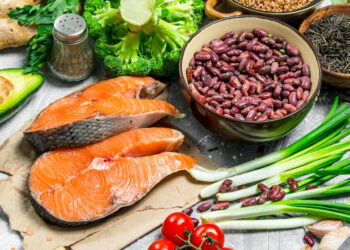
Salmon, mackerel, sardines, and trout top the list of best foods for brain due to their high omega-3 fatty acid content. Omega-3s, particularly DHA, are essential building blocks for brain cell membranes and support communication between neurons. Studies link regular consumption of fatty fish to slower cognitive decline, improved memory, and reduced Alzheimer’s risk. For those seeking the best foods for brain health, eating fatty fish two to three times weekly provides substantial benefits. The omega-3s in fatty fish make them among the most researched foods for brain health available.
2. Blueberries
Berries, particularly blueberries, are exceptional for brain health because of their high antioxidant content. The anthocyanins that give blueberries their deep color cross the blood brain barrier and accumulate in areas responsible for learning and memory. Research shows that blueberries may delay brain aging by several years. As best foods for brain health go, blueberries are particularly versatile and can be added to smoothies, oatmeal, or eaten alone. Other berries like strawberries, blackberries, and raspberries also qualify as best food for brain health.
3. Leafy Green Vegetables
Spinach, kale, collard greens, and broccoli are outstanding best foods for brain health. These vegetables are rich in vitamin K, lutein, folate, and beta-carotene, all of which protect brain cells from damage. One study found that people who ate just one to two servings of leafy greens daily had cognitive abilities equivalent to someone 11 years younger. Among the best foods for brain health, leafy greens offer remarkable protective effects. Making salads or adding greens to smoothies provides easy access to these foods for brain.
4. Walnuts
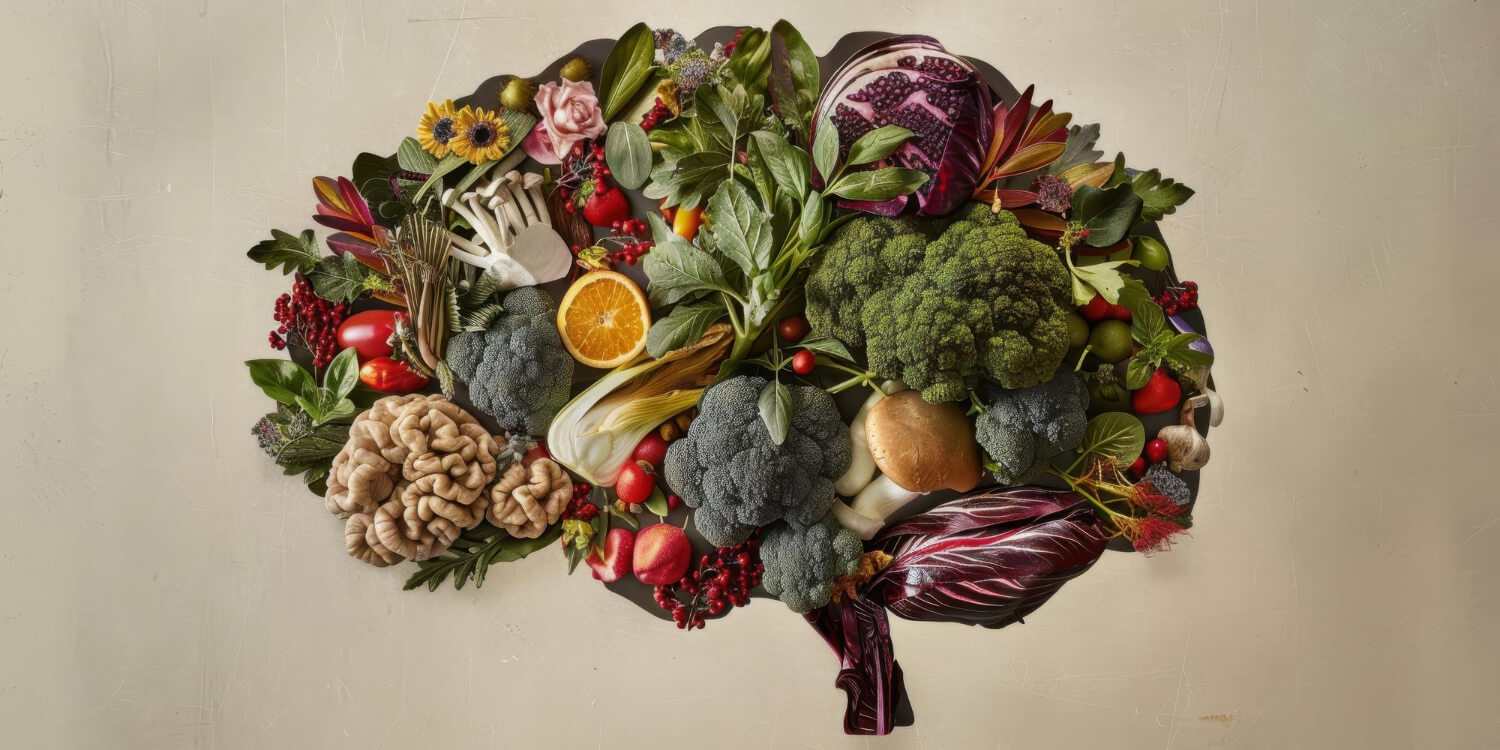
Walnuts look like tiny brains for good reason, they’re among the best foods for brain health in the nut family. High in alpha-linolenic acid, a plant-based omega-3 fatty acid, walnuts also contain antioxidants and polyphenols that reduce inflammation. Research links higher walnut
consumption to improved cognitive test scores. A handful of walnuts daily makes incorporating these best food for brain health simple and convenient. Other nuts provide benefits, but walnuts stand out among best food for brain health.
5. Eggs
Eggs are underrated best foods for brain health despite being excellent sources of choline, a nutrient crucial for neurotransmitter production. Choline is the precursor to acetylcholine, which regulates memory and mood. Eggs also provide B vitamins that support brain function and may
slow cognitive decline. Eating eggs several times weekly ensures adequate intake of these best foods for brain. The yolks contain most of the brain-supporting nutrients, making whole eggs superior best foods for health.
6. Dark Chocolate
Good news for chocolate lovers, dark chocolate with at least 70% cocoa content ranks among the best food for brain health. The flavonoids in dark chocolate improve blood flow to the brain, enhance memory, and may slow age-related mental decline. Dark chocolate also contains
caffeine and theobromine, which provide temporary cognitive enhancement. As best food for brain health go, dark chocolate should be consumed in moderation, but a small daily serving offers meaningful benefits.
7. Extra Virgin Olive Oil
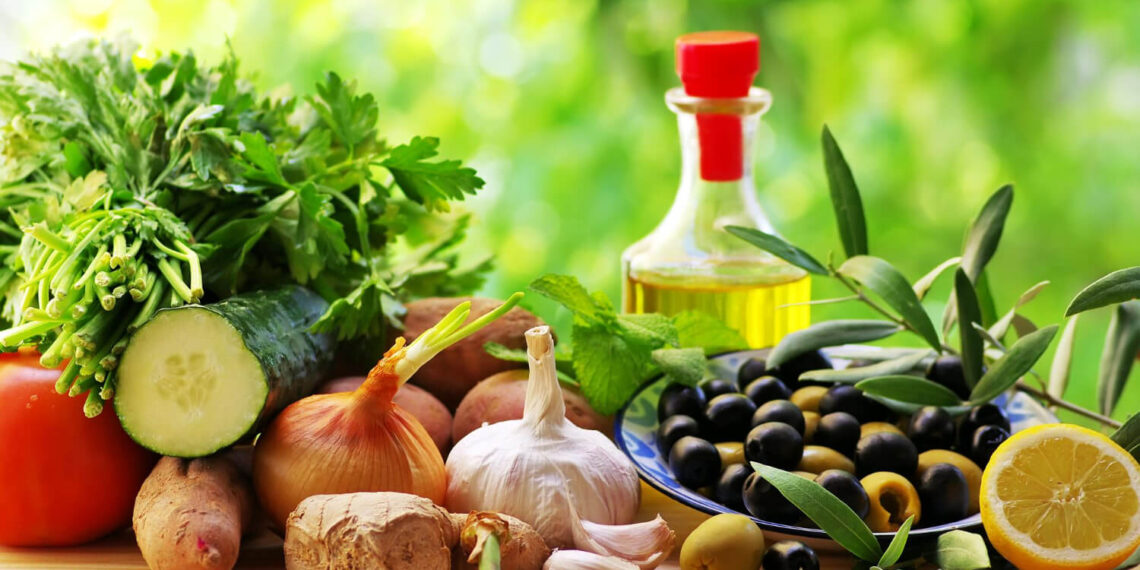
The Mediterranean diet consistently ranks among the best dietary patterns for brain health, largely due to extra virgin olive oil. Rich in monounsaturated fats and powerful antioxidants called polyphenols, olive oil protects brain cells and reduces inflammation. Research links higher olive oil intake to lower dementia risk. Using extra virgin olive oil for cooking and dressings provides easy access to these foods for brain health. The healthy fats in olive oil support
overall brain structure and function.
8. Avocados
Avocados are excellent best foods for brain health because of their high monounsaturated fat content, which supports healthy blood flow. They also contain folate and vitamin K, both important for cognitive function. Avocados help the body absorb fat-soluble nutrients from other foods, making them valuable companions to other foods for brain health. Adding avocado to meals enhances both nutrition and brain support.
9. Whole Grains
The brain requires a steady supply of glucose for optimal function, and whole grains provide this energy in a sustained way. Brown rice, oatmeal, quinoa, and whole wheat bread release glucose slowly, preventing the energy crashes that impair concentration. Whole grains also contain fiber, B vitamins, and antioxidants that support brain health. Among other foods for brain health, whole
grains provide the foundational energy the brain needs throughout the day.
10. Legumes
Beans, lentils, and chickpeas are affordable best foods for brain health that provide complex carbohydrates, protein, and fiber. They offer steady energy while also providing folate, iron, and magnesium, all nutrients important for cognitive function. Regular consumption of legumes supports both brain health and overall metabolic health. These versatile best foods for brain can be added to soups, salads, and countless other dishes.
11. Pumpkin Seeds
Pumpkin seeds are compact best foods for brain health containing high concentrations of zinc, magnesium, copper, and iron. Zinc is crucial for nerve signaling, while magnesium supports learning and memory. Deficiencies in these minerals have been linked to neurological problems
including depression and cognitive impairment. As best food for brain health, pumpkin seeds make excellent snacks or toppings for yogurt and salads.
12. Green Tea
Green tea contains caffeine for alertness plus L-theanine, an amino acid that promotes calm focus. This combination makes green tea unique among foods for brain because it enhances attention without the jitteriness of coffee. Green tea also contains polyphenols and
antioxidants that may protect against mental decline. Drinking green tea daily provides consistent exposure to these beneficial compounds.
13. Turmeric
The active compound in turmeric, curcumin, crosses the blood-brain barrier and has powerful anti-inflammatory and antioxidant effects. Research suggests turmeric may improve memory, ease depression, and help new brain cells grow. Among top foods for brain health, turmeric stands out for its neuroprotective properties. Adding turmeric to curries, golden milk, or smoothies incorporates these best foods for brain health into regular eating.
14. Broccoli
Broccoli deserves special mention among good foods for brain health because of its high vitamin K content, which is essential for forming sphingolipids, a type of fat densely packed in brain cells. Broccoli also contains antioxidants and anti-inflammatory compounds that protect brain tissue. Research links higher cruciferous vegetable intake to better cognitive performance with aging.
15. Citrus Fruits
Oranges, grapefruits, and other citrus fruits are valuable food for brain health due to their high vitamin C content. Vitamin C is a powerful antioxidant that protects brain cells from oxidative damage. Studies suggest adequate vitamin C intake may protect against age-related mental decline. These accessible best foods for brain health also provide flavonoids that support overall brain function.
Dietary Patterns That Support Brain Health
Rather than focusing on individual appropriate foods for brain health in isolation, research supports certain overall eating patterns. The Mediterranean diet, DASH diet, and MIND diet all emphasize the brain health while limiting harmful foods like processed items, sugary drinks, and excessive saturated fats. These diets share common elements that include the supplements for brain health discussed above while reducing inflammation and supporting cardiovascular health, which is closely linked to
brain health.
Foods to Limit
While incorporating the foods for brain health matters, avoiding harmful foods is equally important. Processed foods, added sugars, refined carbohydrates, and excessive alcohol all contribute to inflammation and cognitive decline. Trans fats and excessive saturated fats damage brain cells over time. Reducing these foods while emphasizing the good foods for brain health creates optimal conditions for cognitive function.
The Bottom Line
The foods for brain health share common characteristics: they reduce inflammation, provide essential fats, deliver antioxidants, and supply the vitamins and minerals neurons need to function optimally. Fatty fish, blueberries, leafy greens, walnuts, eggs, dark chocolate, olive oil, avocados, whole grains, legumes, pumpkin seeds, green tea, turmeric, broccoli, and citrus fruits all rank among the best food for brain health backed by scientific research. Incorporating these foods for brain into daily eating doesn’t require radical change. Small, consistent choices accumulate over time to protect cognitive function, enhance memory, improve focus, and potentially reduce the risk of dementia and Alzheimer’s disease. The brain deserves the best fuel available. Choosing the foods for brain health is an investment in mental clarity today and cognitive resilience for decades to come.
Disclaimer: This article is for informational purposes only and does not constitute medical advice. Consult a healthcare professional for personalized nutrition guidance