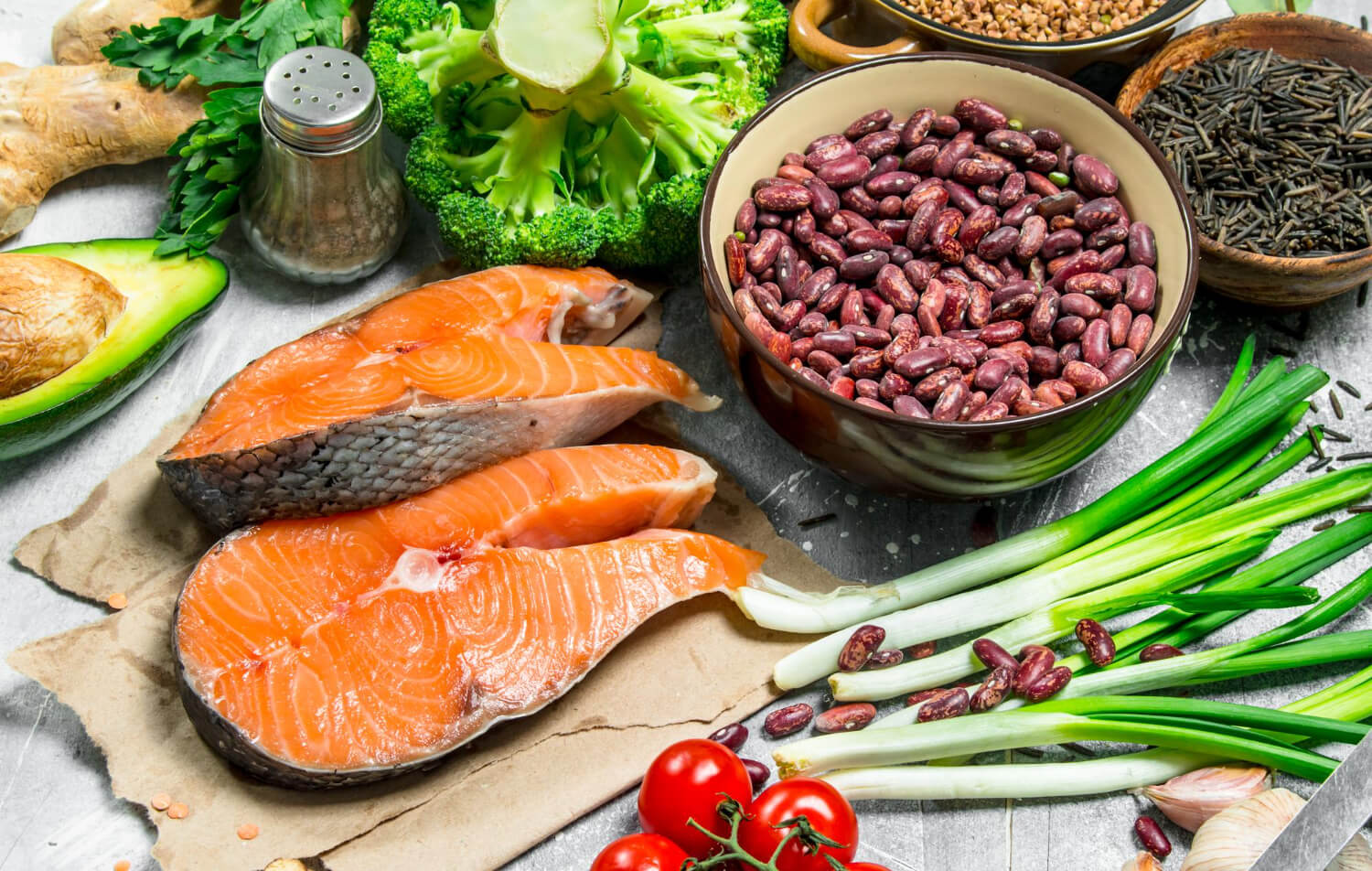
Iron deficiency is the most common nutritional deficiency in the world. It affects an estimated 4 to 5 million Americans yearly and far more globally. The frustrating part is that many people eat plenty of iron-rich foods yet still end up deficient. The problem often isn’t intake. It’s absorption. Understanding foods high in iron means understanding not just what to eat, but how your body actually uses what you consume.
Why iron matters so much
Iron is essential for making hemoglobin, the protein in red blood cells that carries oxygen throughout your body. About 70% of your body’s iron goes toward this function. Without enough iron, your cells can’t get adequate oxygen. The result is iron-deficiency anemia, which causes extreme fatigue, lightheadedness, weakness, and difficulty concentrating. Iron also supports brain development, immune function, and hormone production.
The two types of iron that behave differently
Not all dietary iron is the same. This distinction explains why some people struggle despite eating iron-rich foods. Heme iron comes from animal sources (meat, fish, poultry). Your body absorbs it easily, at rates up to 40%. Non-heme iron comes from plant sources. It’s absorbed much less efficiently, often below 10%, and its absorption is heavily influenced by other foods.
Who's most at risk of deficiency
Certain groups face significantly higher iron deficiency risk. Knowing whether you’re in one helps you prioritize. Menstruating women (blood loss). Pregnant women (increased demand). Children and adolescents (rapid growth). Vegetarians and vegans (non-heme iron only). Endurance athletes (foot-strike hemolysis and GI losses). People with certain digestive conditions. Regular blood donors.
What 2026 research reveals about absorption
A 2025 controlled trial published in Molecular Nutrition and Food Research found something surprising about vegans. Their bodies adapt over time to absorb non-heme iron more efficiently. The mechanism involves hepcidin, a hormone regulating iron absorption. When iron stores are lower, the body upregulates absorption. This is why a 2021 study found vegetarians had the same iron deficiency prevalence as omnivores once inflammation was accounted for.
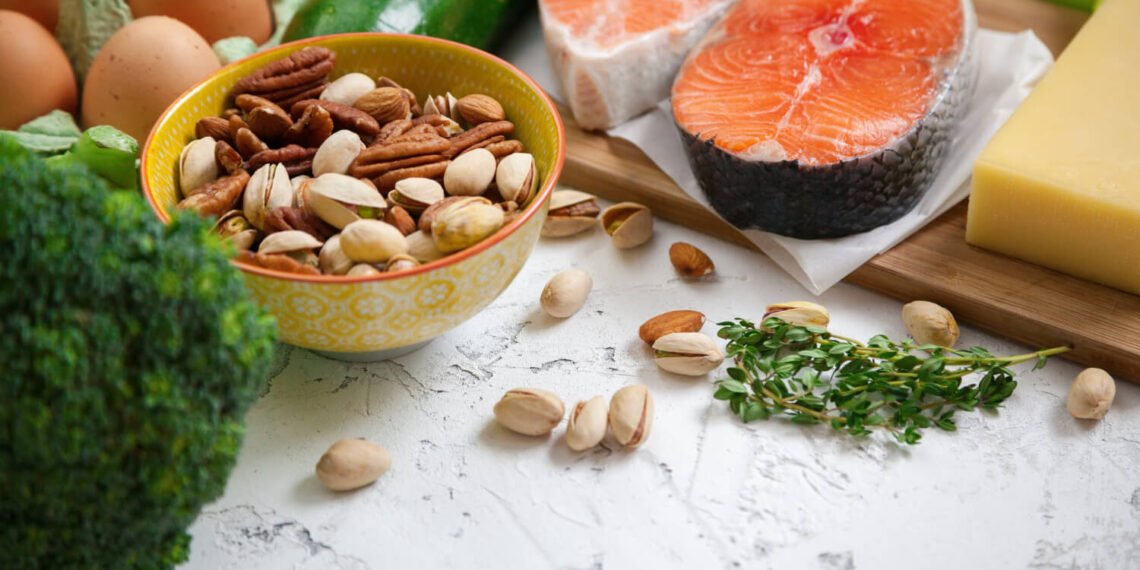
15 foods high in iron worth prioritizing
1. Shellfish (clams, oysters, mussels)
Shellfish are among the richest heme iron sources available. Clams are particularly exceptional, providing more iron per serving than almost any other food. A serving of clams can deliver over 20 mg of iron. Oysters and mussels are similarly rich. They also provide zinc, vitamin B12, and omega-3 fatty acids. For anyone who eats seafood, shellfish are an iron powerhouse.
2. Organ meats (liver)
Liver has fallen out of favor but remains one of the most nutrient-dense foods on earth. Beef and chicken liver are especially iron-rich. A serving of beef liver provides substantial heme iron plus vitamin A, B vitamins, and copper. The heme form means high absorption. If you can tolerate the taste, liver once weekly meaningfully boosts iron status.
3. Red meat (beef)
Lean red meat is one of the most reliable heme iron sources. A serving of beef provides highly absorbable iron plus protein and B12. Beyond its own iron content, red meat contains peptides that enhance absorption of non-heme iron from other foods eaten in the same meal. This is why adding some meat to a plant-heavy meal improves overall iron absorption.
4. Dark poultry meat
Chicken and turkey, particularly the darker thigh and leg meat, provide good heme iron. Dark meat contains more iron than white breast meat. Poultry is more accessible and affordable than red meat for many people. Like all animal proteins, it also enhances non-heme iron absorption from accompanying plant foods.
5. Lentils
Lentils are one of the best plant-based iron sources. A cup of cooked lentils provides significant non-heme iron plus fiber and protein. They’re inexpensive, versatile, and cook quickly. Pairing lentils with vitamin C-rich foods (tomatoes, peppers, citrus) dramatically improves the absorption of their non-heme iron. Lentil soup with tomatoes is a strategically excellent meal.
6.Spinach
Spinach is famous for iron, though the reality is nuanced. It provides substantial non-heme iron but also contains oxalates that can inhibit absorption. Cooking spinach reduces oxalates and concentrates the iron. Pairing it with vitamin C maximizes absorption. Popeye had the right idea, even if the absorption story is more complicated than the cartoons suggested.
7. Tofu and tempeh
Soy-based proteins provide good non-heme iron along with complete protein. Tofu is particularly versatile and absorbs flavors well. A serving of tofu delivers meaningful iron plus calcium and protein. For vegetarians and vegans, tofu and tempeh are foundational iron sources. Fermented tempeh may offer slightly better mineral absorption than regular tofu.
8. Beans (kidney, chickpeas, black beans)
All beans provide non-heme iron along with fiber and protein. Kidney beans, chickpeas, white beans, and black beans are all solid sources. Soaking and cooking beans reduces phytates that inhibit iron absorption. Combining beans with vitamin C sources (salsa, tomato sauce, bell peppers) meaningfully boosts the iron your body actually absorbs.
9. Pumpkin seeds
Pumpkin seeds are one of the best iron sources among seeds and nuts. A single ounce provides significant non-heme iron. They’re easy to add to salads, yogurt, oatmeal, or eaten as snacks. Pumpkin seeds also provide magnesium, zinc, and healthy fats. Roasting doesn’t significantly reduce their iron content.
10. Fortified cereals
Iron-fortified breakfast cereals provide a reliable non-heme iron source. Many are fortified with 100% of the daily requirement per serving. Topping fortified cereal with strawberries or drinking orange juice alongside enhances absorption through vitamin C. This is a practical option for people who struggle to get iron from whole foods alone, particularly children.
11. Quinoa
Quinoa provides more iron than most grains along with complete protein. A cup of cooked quinoa offers meaningful non-heme iron. It works as a base for bowls, a side dish, or a breakfast porridge. Quinoa’s protein content and versatility make it a strong choice for vegetarians looking to boost iron intake.
12. Dark chocolate
Dark chocolate is a surprisingly good iron source. Quality dark chocolate (70% cacao or higher) provides substantial non-heme iron. An ounce delivers a meaningful amount along with antioxidants. This doesn’t justify unlimited chocolate consumption, but a small daily square of dark chocolate contributes to iron intake while satisfying cravings.
13. Fortified tofu and plant milks
Beyond regular tofu, many plant-based products are fortified with iron. Fortified plant milks and meat alternatives can contribute meaningfully. Reading labels helps identify which products are fortified. For vegans especially, choosing fortified versions of everyday foods adds up over the course of a day without requiring dramatic dietary changes.
14. Dried fruits (apricots, raisins, figs)
Dried fruits concentrate iron along with natural sugars. Dried apricots, raisins, and figs are portable non-heme iron sources. They work as snacks or additions to oatmeal, salads, and trail mixes. Because they’re calorie-dense, moderation matters. But a handful provides both iron and quick energy, useful for active people.
15. Broccoli
Broccoli provides non-heme iron along with a built-in absorption enhancer: vitamin C. This combination makes it especially valuable. The vitamin C in broccoli helps your body absorb its own iron content more effectively. Broccoli also delivers fiber and beneficial plant compounds. It’s one of the few foods that comes with its own absorption booster.
The vitamin C strategy that changes everything
Vitamin C is the single most powerful tool for improving non-heme iron absorption. It captures iron and converts it to a form your body absorbs more easily. Pair plant-based iron sources with vitamin C foods: citrus fruits, bell peppers, strawberries, tomatoes, broccoli. Squeezing lemon over lentils or adding tomatoes to bean dishes can multiply the iron you actually absorb.
What blocks iron absorption
Several common foods and drinks inhibit iron absorption. Timing them away from iron-rich meals matters. Coffee and tea (polyphenols and tannins). Calcium and dairy (competes with iron). Whole grains and legumes (phytates, though soaking helps). Wait 1 to 2 hours between iron-rich meals and these inhibitors for best results.
Should you take iron supplements?
Iron supplements help when diet alone isn’t enough, but they shouldn’t be taken casually. Excess iron is genuinely harmful. Ferrous sulfate is a common supplement for treating deficiency. Side effects include constipation and nausea. Never take iron supplements without confirming deficiency through blood tests. People with hemochromatosis can be harmed by excess iron.
The bottom line
Getting enough from foods high in iron is about strategy, not just quantity. Heme iron from animal sources absorbs easily. Non-heme iron from plants needs help. Pair plant-based iron with vitamin C. Keep coffee, tea, and calcium away from iron-rich meals. Combine animal and plant sources when possible. Cook in cast iron cookware for a small absorption boost. For most people, a varied diet with strategic pairing prevents deficiency. Those at higher risk (menstruating women, vegans, athletes) should monitor their iron status and consider testing if fatigue or other symptoms appear.
Related Articles
- Signs of Iron Deficiency: Recognizing the warning signs before deficiency becomes severe
- Foods High in Fiber: Many iron-rich plant foods are also excellent fiber sources
- Best Protein Powder: Animal proteins support both muscle and iron absorption
Sources
- Mayo Clinic
- Harvard Health
- Cleveland Clinic
- Harvard T.H. Chan School of Public Health – Iron: The Nutrition Source
- NIH Office of Dietary Supplements – Iron Fact Sheet (2026)
- Healthline – How to Increase Iron Absorption from Foods (June 2026)
- GoodRx Health – 11 Foods High in Iron (September 2025)
- Molecular Nutrition and Food Research – Vegan Iron Adaptation Trial (May 2025)
- WebMD – Iron-Rich Foods
Disclaimer: This article is for informational purposes only and does not constitute medical advice. Do not take iron supplements without confirming deficiency through blood tests, as excess iron can be harmful. Consult a healthcare provider for persistent fatigue or suspected deficiency.