
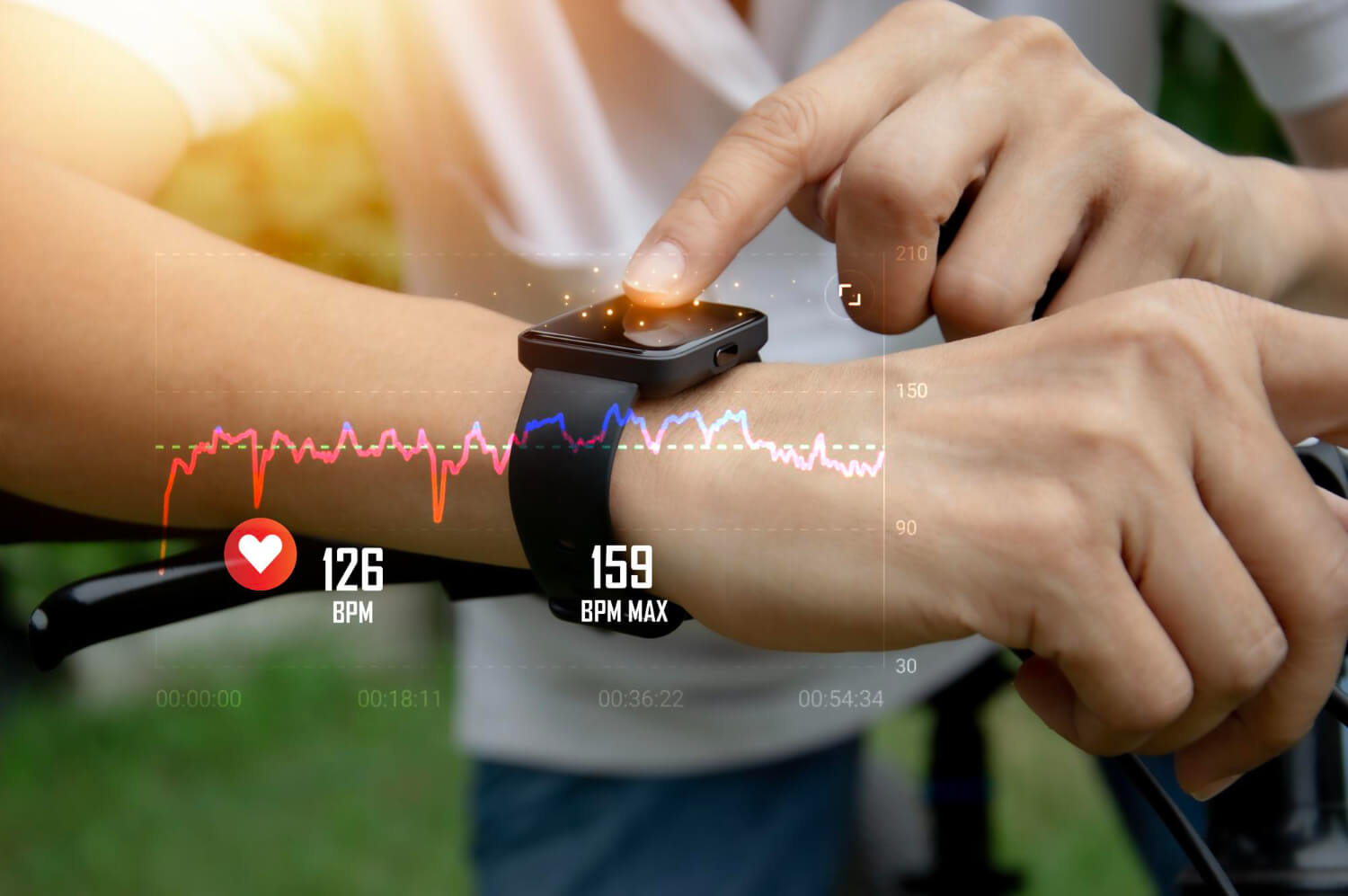
Heart rate variability went from an obscure research metric to a number millions of people check every morning. Oura rings, Whoop bands, Apple Watches, and Garmin devices all track it now. Fitness enthusiasts obsess over it. Biohackers optimize it. But most people wearing these devices don’t actually understand what the number means or how to use it. Understanding heart rate variability properly separates useful insight from anxiety-inducing noise.
What HRV actually measures
Heart rate variability is the variation in time between consecutive heartbeats. It sounds counterintuitive, but a healthy heart doesn’t beat like a metronome. Even at a steady 60 beats per minute, the exact time between beats fluctuates constantly. Sometimes it’s 0.9 seconds, sometimes 1.1. This beat-to-beat variation reflects how well your autonomic nervous system is functioning. More variation is generally better.
The nervous system connection
HRV is essentially a window into your autonomic nervous system, which controls involuntary functions like heart rate, breathing, and digestion. This system has two branches. The sympathetic (fight or flight) and the parasympathetic (rest and digest). HRV reflects the balance between them. Higher HRV usually means your parasympathetic system is active, indicating recovery, calm, and resilience.
Why higher HRV is generally better
Research consistently associates higher HRV with better health outcomes. It signals a nervous system that can adapt to stress and recover efficiently. According to a January 2026 review in Frontiers in Cardiovascular Medicine, reduced HRV is linked to arrhythmias, heart failure, and ischemic heart disease. Low HRV serves as an independent predictor of mortality following heart attacks. The metric genuinely matters for cardiovascular health.
The critical caveat about comparisons
Here’s what most people get wrong about HRV. The absolute number is far less important than your personal trend. HRV varies enormously between individuals based on age, genetics, fitness, and sex. One person’s healthy HRV of 40 might be another’s warning sign. Comparing your number to a friend’s is meaningless. What matters is how your HRV changes relative to your own baseline over time.
What affects your HRV daily
Many factors influence HRV from day to day. Understanding them helps interpret the readings. Sleep quality and quantity. Alcohol consumption (lowers it significantly). Stress levels. Hydration. Training load. Illness (HRV often drops before symptoms appear). Even the timing of your last meal. This is why single readings mean little and trends mean everything.
How wearables actually measure it
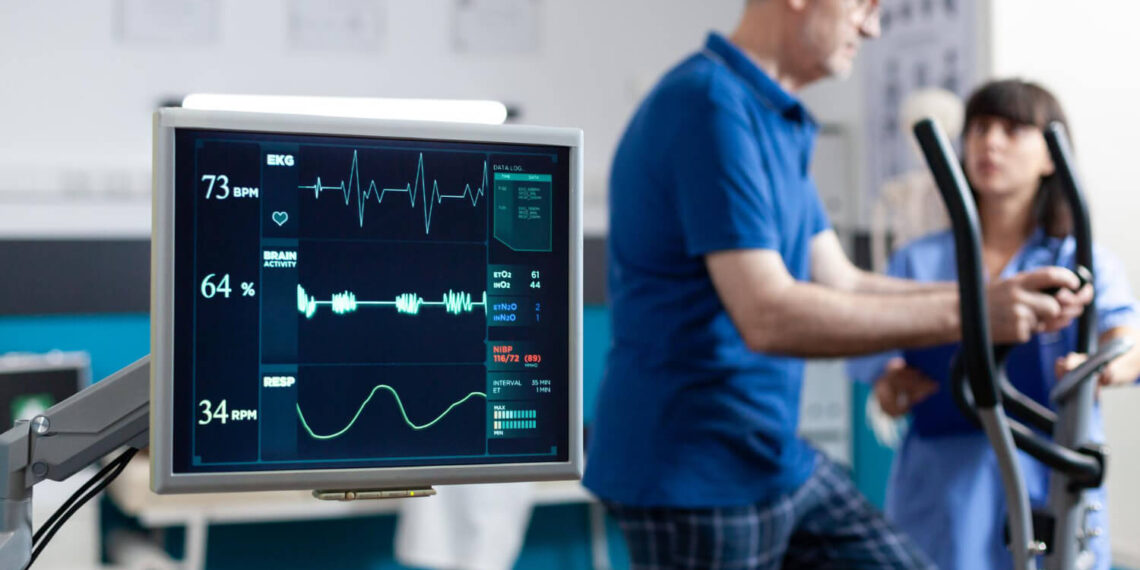
Most consumer devices measure HRV using photoplethysmography (PPG), which detects blood volume changes through light sensors against your skin. Medical-grade measurement uses ECG, which is more accurate. Consumer devices have improved dramatically, though. The best now approach clinical accuracy for overnight measurements, when you’re still and the signal is clean.
What 2026 accuracy testing revealed
Independent peer-reviewed research in 2025 compared consumer wearables against ECG-grade references across 536 nights of sleep data. The results were striking. The Oura Ring 4 matched the medical gold standard within 1% (a correlation coefficient of 0.99), making it the most validated consumer device for HRV. Whoop 5.0 came in at 0.94, excellent for training. The structural reason rings lead is sensor placement. Finger arteries sit closer to the surface than wrist arteries.
Why rings often beat watches for HRV
The finger provides a cleaner signal than the wrist for overnight HRV measurement. This is a physiological reality, not marketing. Arteries in the finger are closer to the skin surface, producing a stronger blood-volume-pulse signal with less motion interference during sleep. For overnight HRV specifically, smart rings like Oura tend to outperform wrist-based devices. During exercise, wrist bands with tight fits can perform better.
The metric behind the number: rMSSD
Most consumer devices report HRV using a measurement called rMSSD (root mean square of successive differences). Knowing this helps you compare readings across devices. rMSSD specifically reflects parasympathetic (rest and digest) nervous system activity. It’s the most commonly used HRV metric in both research and consumer devices. When your device shows an HRV number, it’s almost always reporting rMSSD in milliseconds.
What a "good" HRV score means
There’s no universal good score, which frustrates people wanting a simple answer. HRV must be interpreted individually. A good HRV is one that’s stable or trending upward relative to your personal baseline. General ranges exist (often 20 to 100 milliseconds for adults), but they span enormous individual variation. Focus on your trend, not comparison to population averages or other people.
How age and sex affect HRV
HRV naturally declines with age. This is normal and expected, not necessarily a cause for concern. Younger people typically have higher HRV than older adults. Men and women show some differences in HRV patterns. Athletes generally have higher HRV than sedentary people. These baseline differences are exactly why personal trends matter more than absolute numbers.
Using HRV for recovery decisions
The most practical application of HRV is guiding training and recovery. This is where the metric earns its value. When your morning HRV is higher than baseline, your body is well-recovered and ready for hard training. When it drops significantly, your body may be under stress, fighting illness, or under-recovered. Adjusting workout intensity based on these signals can prevent overtraining.
The illness prediction benefit
One of HRV’s most useful features is detecting problems before you feel them. HRV often drops 1 to 3 days before illness symptoms appear. Your nervous system responds to the immune activation before you consciously feel sick. A sudden unexplained HRV drop can be an early warning to prioritize rest, hydration, and sleep. Many users report catching illnesses early this way.
HRV and stress management
Because HRV reflects nervous system balance, it’s a useful objective measure of stress. Feelings can be misleading. HRV provides data. Chronic stress suppresses HRV over time. Practices that boost parasympathetic activity (slow breathing, meditation, adequate sleep, time in nature) tend to improve HRV. Tracking the metric can reveal whether stress-management practices are actually working.
What HRV can't tell you
Despite its usefulness, HRV has real limitations. Understanding them prevents over-interpretation. It can’t diagnose specific conditions. It doesn’t identify root causes. Single readings are nearly meaningless. It’s affected by so many variables that isolating one cause is difficult. A wearable measuring HRV is a wellness tool, not a medical device.
The orthosomnia risk
An emerging problem with HRV tracking is anxiety about the numbers themselves. Some people’s stress increases from monitoring their metrics. Checking HRV obsessively and worrying about every fluctuation can paradoxically lower it through stress. If tracking becomes a source of anxiety rather than insight, stepping back is healthier. The metric should inform decisions, not dominate them.
How to actually improve your HRV
Several evidence-supported practices tend to improve HRV over time. None are surprising, but they work. Prioritize consistent, quality sleep. Reduce alcohol (it significantly suppresses HRV). Exercise regularly but allow recovery. Practice slow breathing or meditation. Manage stress. Stay hydrated. Maintain a healthy weight. These fundamentals improve both HRV and overall health.
When HRV data matters medically
While consumer HRV isn’t diagnostic, the trends can provide useful information for healthcare providers. Some doctors now review wearable data. Persistently declining HRV, especially with symptoms, warrants medical discussion. HRV has genuine clinical applications in cardiology, though consumer devices supplement rather than replace medical evaluation. If your data concerns you, share the trends with your doctor.
The bottom line
Heart rate variability is a genuinely useful metric when understood correctly. It offers a window into nervous system health, recovery status, and stress that few other consumer measurements provide.
The keys to using it well are focusing on personal trends rather than absolute numbers, understanding that many factors affect daily readings, and treating it as one input among many rather than a definitive health verdict.
For most people, HRV works best as a recovery and stress-management tool. Track your baseline, watch for meaningful deviations, and use the insights to guide sleep, training, and stress decisions. Just don’t let the number become another source of anxiety.
Related Articles
- How to Sleep Better: Sleep quality is the single biggest factor affecting your HRV
- Signs of Heart Disease: HRV reflects cardiovascular health that connects to broader heart risk
- How to Deal With Anxiety: HRV provides an objective measure of the stress response anxiety triggers
Sources
- Mayo Clinic
- Harvard Health
- Cleveland Clinic
- Frontiers in Cardiovascular Medicine – HRV in Cardiovascular Disease Diagnosis, Prognosis and Management (January 2026)
- Elemental Health – Are Wearables Actually Accurate? 2026 HRV and Sleep Data (May 2026)
- WearableWell – HRV Wearables 2026: Stress, Recovery & Nervous System Health (April 2026)
- CLS Health – Best Wearable Heart Rate Monitors 2026 (May 2026)
- Texas Heart Institute – HRV Measurement Through Smart Wearables (2023)
Disclaimer: This article is for informational purposes only and does not constitute medical advice. Consumer HRV devices are wellness tools, not diagnostic instruments. Consult a healthcare provider for concerns about your cardiovascular or autonomic health.