
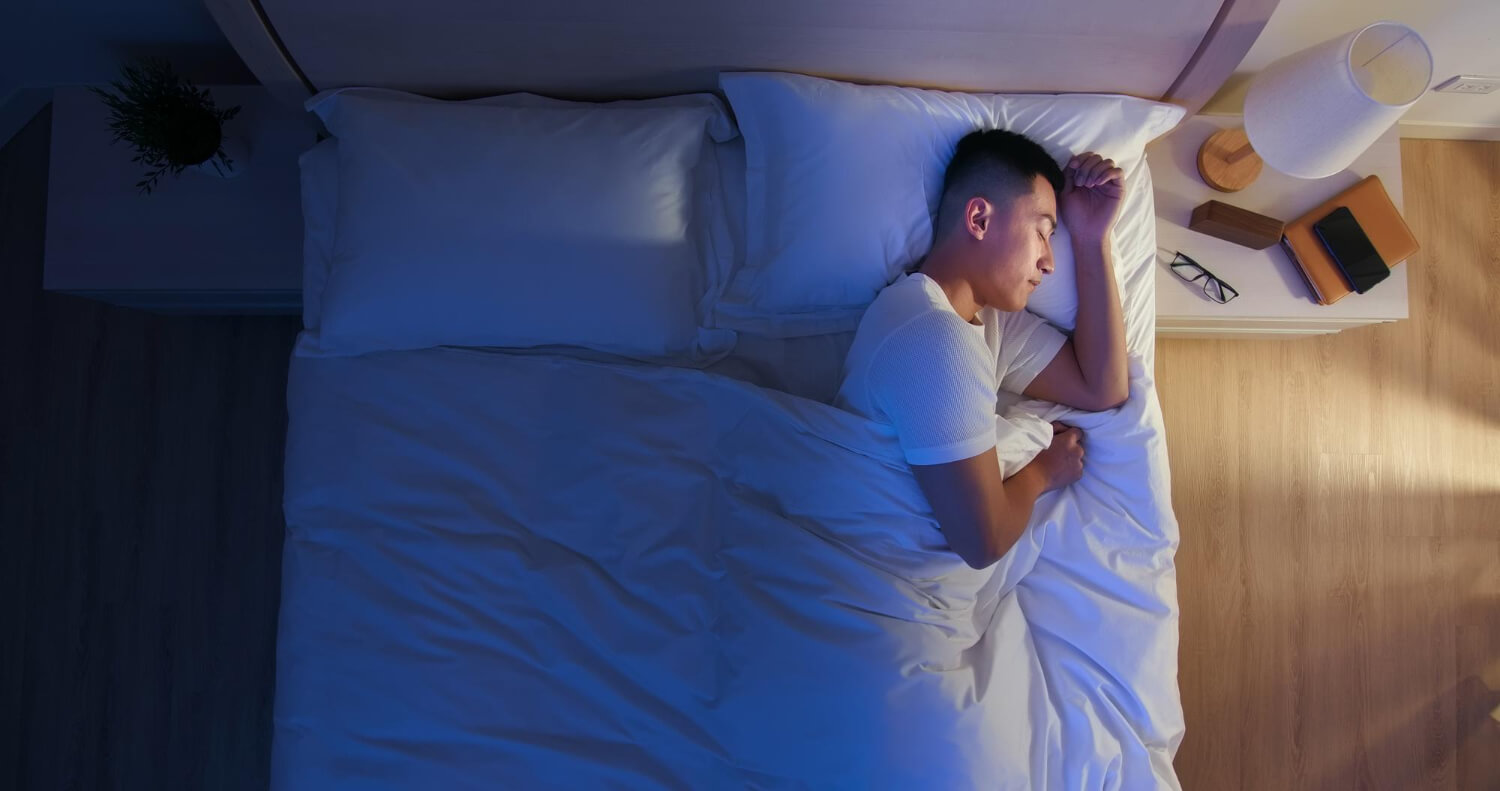
Sleep is one of the most underrated health interventions available to everyone. It’s free. It’s accessible. It affects almost every system in the body. Yet roughly 10% of adults have chronic insomnia and 20% experience it occasionally. Many more people sleep poorly without recognizing how much it’s hurting them. Learning how to sleep better isn’t about chasing 8 perfect hours. It’s about understanding what actually works according to current research.
What 2026 sleep science actually shows
Sleep research has evolved significantly in recent years. The April 2026 American Academy of Sleep Medicine clinical practice guideline emphasizes combination approaches for chronic insomnia. The 2026 research consistently shows that sleep quality matters more than sleep quantity alone. A consistent 6.5 hour sleep at high quality outperforms an erratic 8 hour sleep with multiple disruptions.
Why sleep matters more than people realize
During sleep, your body repairs tissues. Memory consolidates. Hormones regulating appetite and stress balance themselves. Learning how to sleep better affects almost every health outcome. Chronic sleep deprivation increases vulnerability to infections, heart disease, obesity, diabetes, depression, anxiety, and cognitive decline. A January 2026 review found that even 6.4 to 7.8 hours nightly may help slow biological aging.
The shift from quantity to quality
The 8-hour rule has dominated sleep advice for decades. The latest research nuances this significantly. Some people genuinely need 9 hours. Others function well on 6.5. Individual variation matters. What stays consistent is the importance of sleep depth, continuity, and timing. Quality trumps quantity once you’re above the basic threshold.
What the AASM 2026 guideline confirms
The American Academy of Sleep Medicine’s April 2026 clinical practice guideline made important recommendations for chronic insomnia. CBT-I (Cognitive Behavioral Therapy for Insomnia) remains the gold standard first-line treatment. For moderate to severe cases, combining CBT-I with appropriate medication produces better results than either approach alone.
When sleep problems require professional help
Some sleep problems warrant medical evaluation rather than self-management alone. Sleep that doesn’t improve with 4 to 6 weeks of consistent good habits. Loud snoring or witnessed breathing pauses (possible sleep apnea). Excessive daytime sleepiness despite adequate time in bed. Restless legs preventing sleep onset. Insomnia lasting more than 3 months despite efforts.

12 evidence-based strategies to sleep better
1. Anchor your wake time consistently
The 2026 research keeps reinforcing this single most important habit. Wake up at the same time daily, including weekends. Consistent wake times anchor your circadian rhythm more effectively than consistent bedtimes. Your body produces sleep-promoting hormones based on when you typically wake. Sleeping in on weekends disrupts this calibration and worsens Monday sleep significantly.
2. Get morning sunlight exposure
Light is the strongest signal to your circadian rhythm. Morning sunlight, even on cloudy days, sets your internal clock. Aim for 15 to 30 minutes of outdoor light within an hour of waking. This single habit helps people sleep better more than most expect. Indoor lighting isn’t a substitute. Direct sun exposure (even through windows) is dramatically stronger.
3. Reduce screens and blue light before bed
The light from screens suppresses melatonin production. Even small reductions in evening screen time produce measurable sleep improvements. The 2026 research suggests cutting screen exposure 60 to 90 minutes before bed. Blue light filters help but don’t fully eliminate the problem. Reading paper books, gentle stretching, or talking with family work better as wind-down activities.
4. Manage caffeine timing strategically
Caffeine has a half-life of 5 to 6 hours. The afternoon coffee that “doesn’t affect” your sleep usually is affecting it. Cut caffeine by noon if you have any sleep issues. Some people need to stop earlier. Caffeine sensitivity varies genetically. People with poor sleep often consume more caffeine, creating a self-reinforcing cycle that’s worth breaking.
5. Avoid alcohol close to bedtime
Alcohol seems to help sleep onset. It actually fragments sleep significantly throughout the night. Alcohol suppresses REM sleep and increases awakening in the second half of the night. The morning grogginess from drinking isn’t just dehydration. It reflects genuinely poor sleep quality. Even one drink can measurably affect sleep architecture.
6. Cool your bedroom
Your body temperature naturally drops to initiate sleep. A cool bedroom supports this process. The optimal range is 60 to 68°F (15 to 20°C) for most people. Cooler than this gets uncomfortable. Warmer makes it harder to fall and stay asleep. This single change produces noticeable improvement for many people who haven’t tried it.
7. Make the bedroom genuinely dark
Even small amounts of light suppress melatonin and disrupt sleep. The standard practice of having “some” light is worth reconsidering. Blackout curtains. Remove or cover electronic indicator lights. Consider an eye mask if other options aren’t available. The 2026 research suggests that complete darkness produces deeper sleep than partial darkness, even when you don’t notice it.
8. Address sleep effort and worry
The newest insight from 2026 sleep research: worrying about sleep is a major cause of insomnia. Paradoxically, trying too hard to sleep keeps the brain alert. New behavioral approaches focus on reducing sleep pressure anxiety, allowing sleep to occur naturally rather than forcing it. The “I have to sleep” thought often prevents sleep more than the underlying issue.
9. Exercise consistently but not late
Regular physical activity improves sleep quality measurably. The research supports both aerobic exercise and resistance training. Time of day matters. Intense exercise within 2 to 3 hours of bedtime can interfere with sleep onset for some people. Morning or afternoon workouts work best. Even moderate daily walking produces measurable benefits within 2 to 3 weeks.
10. Practice CBT-I if insomnia persists
For chronic insomnia, CBT-I is the most effective treatment available. It works for roughly 70 to 80% of people. Components include sleep restriction therapy (initially limiting time in bed to consolidate sleep). Stimulus control (only using the bed for sleep). Cognitive restructuring around sleep beliefs. Online CBT-I programs are increasingly accessible and effective for those without local access.
11. Manage stress before bedtime
A nervous system that’s still activated can’t sleep well. Creating wind-down rituals signals safety to your brain. Deep breathing techniques. Light reading. Meditation. Warm baths or showers (the subsequent cooling helps sleep onset). Journaling to offload tomorrow’s worries. These aren’t optional luxuries when stress is high. They’re essential sleep tools.
12. Mind your eating patterns
Late meals and heavy foods disrupt sleep through digestion demands. But going to bed hungry also impairs sleep. The 2026 research suggests stopping eating 2 to 3 hours before bed for most people. If you need something, choose protein and fiber-rich snacks rather than carb-heavy options. Spicy foods, acidic foods, and excessive fluids should be avoided in the evening.
Why tracking sleep can backfire
Sleep tracking apps and wearables have exploded in popularity. The research suggests caution. For people without sleep problems, tracking can be useful. For people with insomnia, obsessing over sleep metrics often makes things worse. The phenomenon called “orthosomnia” describes people whose sleep deteriorates from anxiety about their tracker readings. Sometimes less measurement helps more.
The role of melatonin supplements
Melatonin gets recommended frequently but works less well than people assume for typical insomnia. It’s most useful for circadian rhythm issues (jet lag, shift work, delayed sleep phase). Lower doses (0.5 to 1 mg) work as well as higher ones (3 to 5 mg) and produce fewer side effects. For regular insomnia, melatonin is rarely the answer.
What to do when you can't fall asleep
The conventional advice to “get out of bed if you can’t sleep” actually has research support. Lying in bed awake conditions your brain to associate the bed with wakefulness. If you’ve been awake for 20 to 30 minutes, get up. Do something quiet and relaxing in another room. Return to bed only when feeling sleepy. This technique helps people sleep better through stimulus control and produces measurable improvements.
The bottom line
Learning how to sleep better in 2026 centers on a few core principles. Consistent wake times anchor everything else. Morning light sets your circadian rhythm. Reducing evening light and screens supports melatonin production. The most powerful sleep interventions are behavioral, not pharmaceutical. CBT-I outperforms most sleep medications and produces lasting improvements. For chronic problems, professional evaluation rules out underlying conditions like sleep apnea. For anyone struggling with sleep, the encouraging part is that strategies to sleep better are accessible to almost everyone. Small consistent changes produce measurable improvements within weeks.
Related Articles
- Signs of Burnout: Sleep problems are both a cause and consequence of burnout
- How to Deal With Anxiety: Anxiety and sleep problems compound each other and require overlapping treatment
- How to Stop Overthinking: A common sleep disruptor with specific techniques to address
Disclaimer: This article is for informational purposes only and does not constitute medical advice. Persistent sleep problems, suspected sleep apnea, or insomnia lasting more than 3 months warrant professional medical evaluation.