
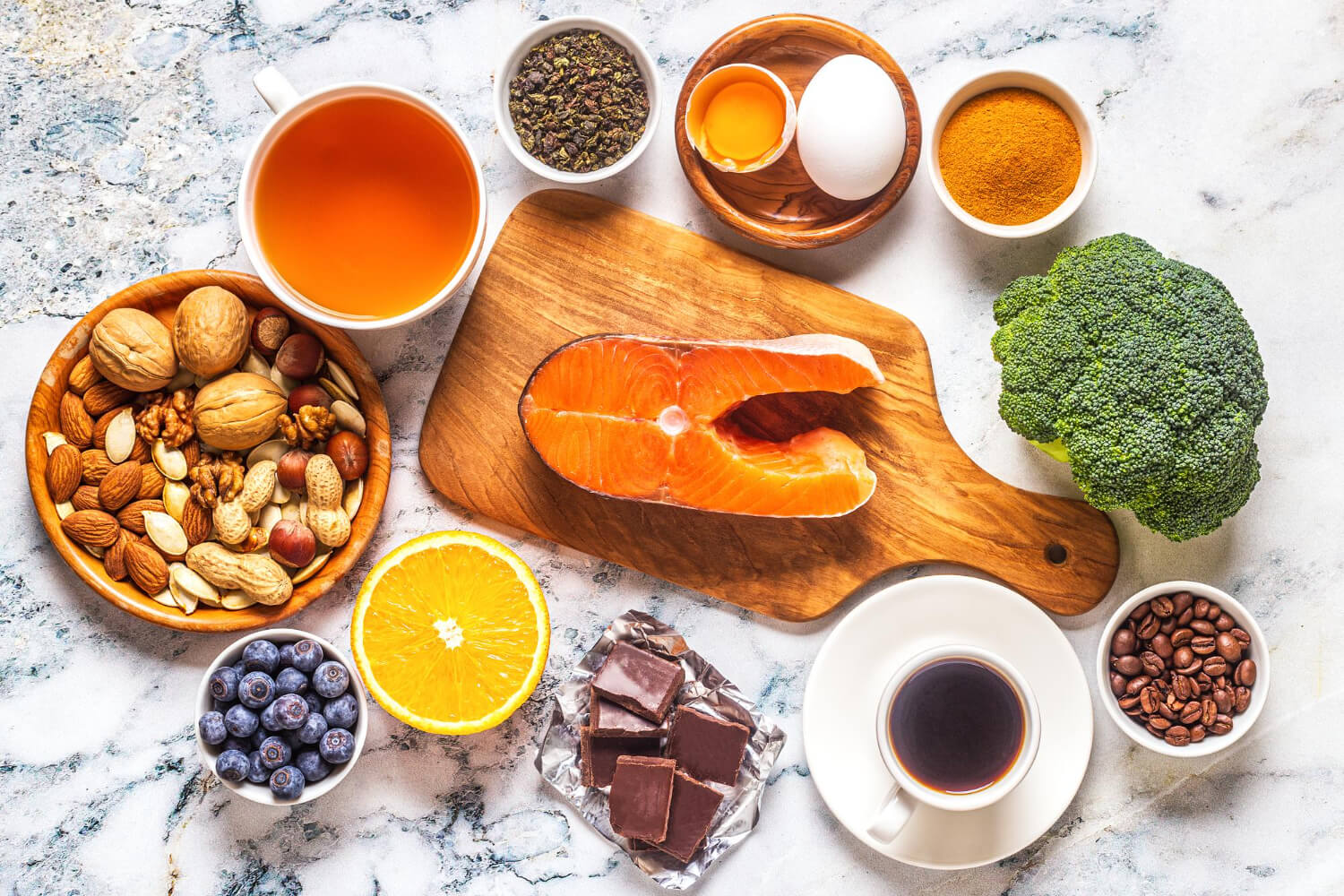
Inflammation isn’t always the enemy. When you cut your finger or catch a cold, inflammation is the body’s way of healing, sending immune cells to fight off invaders and repair damage. But when inflammation never turns off? That’s when problems start.
Chronic inflammation, the kind that lingers for months or years has been linked to almost every major disease: heart disease, diabetes, cancer, Alzheimer’s, arthritis, and depression. It works silently in the background, slowly damaging tissues and organs. Here’s the good news: one of the most powerful tools to fight chronic inflammation isn’t in a pharmacy. It’s in the grocery store.
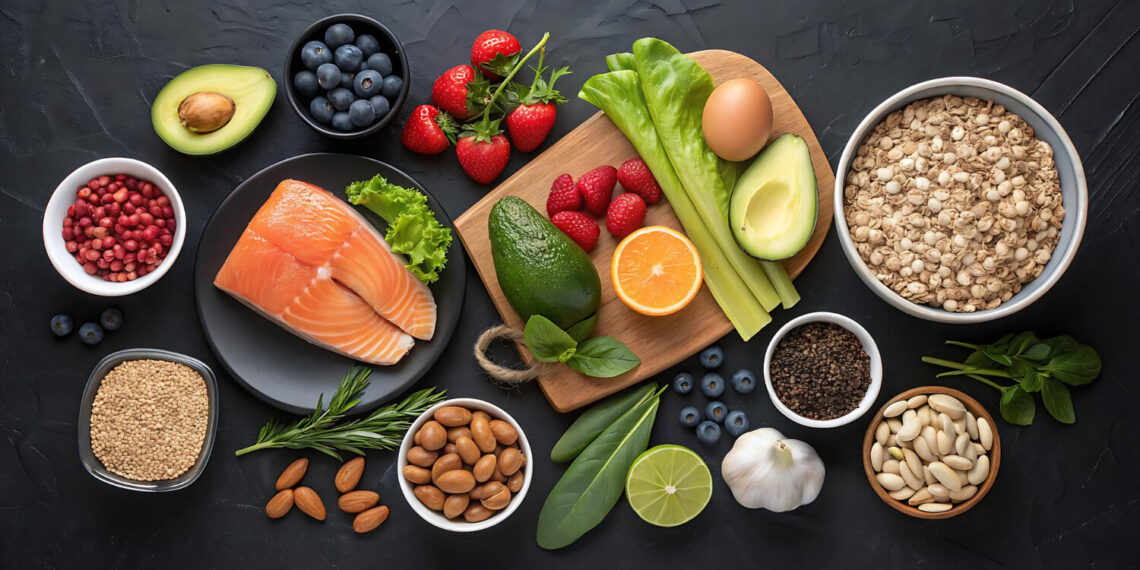
This anti-inflammatory foods list covers 15 science-backed options that can help calm inflammation, protect long-term health, and even reduce symptoms of existing conditions.
How Food Fights Inflammation
The connection between diet and inflammation is well established. Certain foods contain compounds — antioxidants, polyphenols, omega-3 fatty acids — that actively reduce inflammatory markers in the body. Others do the opposite, fueling the fire.
Pro-inflammatory foods (the ones to limit):
- Refined sugars and sodas
- Processed meats
- Fried foods
- Refined carbohydrates (white bread, pastries)
- Excess alcohol
Anti-inflammatory foods (the ones to embrace):
- Fruits, vegetables, whole grains
- Fatty fish, nuts, seeds
- Olive oil, herbs, spices
The Anti-Inflammatory Foods List: 15 Top Picks
1. Fatty Fish
Salmon, mackerel, sardines, and anchovies are among the best sources of omega-3 fatty acids, powerful inflammation fighters. Omega-3s (EPA and DHA) reduce the production of inflammatory molecules called cytokines. Studies show regular fish consumption is linked to lower levels of C-reactive protein (CRP), a key marker of inflammation.
How much: 2-3 servings per week.
2. Berries
Blueberries, strawberries, raspberries, and blackberries are packed with anthocyanins, antioxidants that give them their vibrant color and fight oxidative stress. Research shows that eating just 1/3 cup of blueberries daily can reduce inflammatory markers and lower the risk of heart disease and diabetes.
Easy add: Toss into oatmeal, yogurt, or smoothies.
3. Leafy Greens
Spinach, kale, Swiss chard, and collard greens are loaded with vitamins A, C, E, and K, plus flavonoids that interrupt inflammatory pathways. These greens also provide fiber, which supports gut health. A healthy gut microbiome plays a major role in regulating inflammation throughout the body.
Tip: Lightly cooking greens can improve nutrient absorption.
4. Extra Virgin Olive Oil
A cornerstone of the Mediterranean diet, extra virgin olive oil contains oleocanthal, a compound with effects similar to ibuprofen. Studies link olive oil consumption to reduced inflammation, lower heart disease risk, and improved brain health. The key is choosing extra virgin (cold-pressed) for maximum benefits.
Use it: For salad dressings, drizzling over vegetables, or low-heat cooking.
5. Nuts
Almonds, walnuts, and other nuts are rich in healthy fats, fiber, and antioxidants. Walnuts are especially notable for their omega-3 content. Regular nut consumption has been associated with lower CRP levels and reduced risk of cardiovascular disease and diabetes.
Serving: A small handful (about 1 oz) daily.
6. Tomatoes
Tomatoes are one of the best sources of lycopene, a powerful antioxidant with strong anti-inflammatory properties. Interestingly, lycopene becomes more bioavailable when tomatoes are cooked. So tomato sauce, soup, and roasted tomatoes may offer even more benefits than raw.
Bonus: Pair with olive oil to boost lycopene absorption.
7. Turmeric
This golden spice contains curcumin, one of the most studied anti-inflammatory compounds in existence. Curcumin blocks NF-kB, a molecule that triggers inflammatory genes. The catch? Curcumin is poorly absorbed on its own. Pairing turmeric with black pepper increases absorption by up to 2,000%.
Try: Golden milk, curries, or turmeric supplements with piperine.
8. Ginger
Ginger contains gingerols and shogaols, compounds that inhibit the same enzymes targeted by anti-inflammatory drugs (COX and LOX). Studies show ginger can reduce muscle pain, ease arthritis symptoms, and lower inflammatory markers. It’s also excellent for digestive health.
Use: Fresh ginger in stir-fries, teas, or smoothies.
9. Garlic
Garlic contains allicin and other sulfur compounds that modulate immune function and reduce inflammation. Research links garlic consumption to lower CRP levels and reduced risk of heart disease. Crushing or chopping garlic and letting it sit for 10 minutes maximizes allicin production.
10. Green Tea
Green tea is rich in epigallocatechin gallate (EGCG), a catechin with potent antioxidant and anti-inflammatory effects. Regular green tea consumption has been associated with lower rates of inflammatory diseases, improved heart health, and better metabolic function.
Goal: 2-3 cups daily. Steep at 160-180°F to preserve catechins.
11. Avocados
Avocados provide monounsaturated fats, fiber, potassium, and magnesium, all linked to reduced inflammation. One study found that eating avocado with a hamburger reduced the inflammatory spike that typically follows a high-fat meal. The healthy fats may buffer inflammatory responses.
12. Dark Chocolate
Good news for chocolate lovers: dark chocolate (70%+ cocoa) contains flavanols that reduce inflammation and support heart health. The key is choosing high-quality dark chocolate with minimal added sugar. A small square daily can provide benefits without excess calories.
13. Beans and Legumes
Lentils, chickpeas, black beans, and other legumes are excellent sources of fiber, plant protein, and polyphenols. Their high fiber content feeds beneficial gut bacteria, which produce short-chain fatty acids (SCFAs) that help regulate inflammation. They’re also budget-friendly and versatile.
14. Whole Grains
Oats, quinoa, brown rice, and barley provide fiber and antioxidants that support gut health and reduce inflammatory markers. Whole grains digest slowly, preventing blood sugar spikes that can trigger inflammation. The key is choosing truly whole grains not refined products labeled as “whole grain.”
15. Fermented Foods
Yogurt, kefir, sauerkraut, kimchi, and other fermented foods contain probiotics that support gut microbiome health. Since much of the immune system resides in the gut, a balanced microbiome is essential for controlling inflammation. Regular consumption of fermented foods has been linked to lower inflammatory markers.
Putting It All Together
The best approach isn’t obsessing over individual foods — it’s adopting an overall anti-inflammatory eating pattern. Two evidence-backed options:
Mediterranean Diet: High in olive oil, fish, vegetables, fruits, nuts, and whole grains. Low in red meat and processed foods. Consistently linked to reduced inflammation and lower chronic disease risk.
DASH Diet: Originally designed to lower blood pressure, but also reduces inflammation. Emphasizes fruits, vegetables, whole grains, lean proteins, and limits sodium and processed foods.
Both diets share common themes: whole foods, healthy fats, plenty of plants, and minimal processed junk.
How Quickly Does It Work?
Changes won’t happen overnight, but consistency pays off.
- Weeks 1-2: Some people notice improved energy and digestion
- Weeks 4-8: Inflammatory markers may begin to decrease
- Months 3+: Sustained improvements in symptoms, weight, and overall health
The key is making anti-inflammatory eating a lifestyle not a short-term diet.
The Bottom Line
Chronic inflammation is a silent driver of disease. But the foods on this anti-inflammatory foods list offer a practical, delicious way to fight back. No single food is a magic bullet. The power lies in consistent choices more fish, more vegetables, more whole grains, fewer processed foods, less sugar. The grocery store might just be the best pharmacy around.
The Bottom Line
Fatty liver symptoms are easy to miss and that’s exactly what makes this condition so dangerous. The liver suffers silently until the damage becomes hard to ignore. But it doesn’t have to get that far. Awareness of the warning signs, combined with simple lifestyle changes, can protect liver health and prevent progression to serious disease. The liver does so much without asking for anything in return. Paying attention when it finally sends signals is the least anyone can do.
Disclaimer: This article is for informational purposes only and does not constitute medical advice. If you have chronic health conditions, consult a healthcare professional before making significant dietary changes.