Walk through any American supermarket, and roughly 70% of what’s on the shelves falls into the same category. Not soda. Not candy bars. Something bigger and sneakier than that.
The seemingly healthy yogurts loaded with stabilizers. The protein bars built around isolates and gums. The meal-replacement shakes marketed to busy professionals. The plant-based meats engineered to mimic the real thing. All of it counts as ultra processed. And most of it gets eaten without a second thought.
Why nutrition advice finally shifted
For decades, nutrition advice focused on individual nutrients. Fat content, sugar grams, sodium levels. Eat less of one thing, more of another.
But over the past few years, a different question has taken over the conversation. Not what’s in your food, but how transformed it is from its original form.
What the 2026 research is actually saying
The research has been blunt. A landmark study published in the European Heart Journal in May 2026 found that people consuming the most ultra processed foods face significantly higher risks of heart disease, irregular heart rhythms, obesity, diabetes, hypertension, and cardiovascular death.
A February 2026 study from Florida Atlantic University analyzing US national health data found a 47% higher risk of heart attack or stroke among the highest consumers. Some cardiologists are now drawing comparisons to tobacco.
Why this article is different
This isn’t another diet article. The internet has plenty of those. This is a look at what current research actually shows about how these products affect health, why they’re so hard to avoid, and what realistically works to reduce them. The honest version, not the wellness-influencer version.
What counts as Ultra-Processed?
The term comes from the NOVA classification system developed by Brazilian nutrition researchers. It divides foods into four categories based on how much industrial processing they’ve undergone. Group 1 is unprocessed or minimally processed. Fruits, vegetables, eggs, nuts, plain yogurt. Group 2 includes culinary ingredients like olive oil, butter, salt, and sugar. Group 3 covers traditionally processed foods like canned vegetables, cured meats, and cheeses. Group 4 is the one that’s gotten everyone’s attention.
What's actually in these products
These products are typically made through industrial techniques that don’t happen in home kitchens. They contain ingredients you wouldn’t recognize as food on their own. High-fructose corn syrup, hydrogenated oils, protein isolates, emulsifiers, artificial colors, flavor enhancers, preservatives. They’re engineered for shelf stability, low cost, and what food scientists call “hyperpalatability” (the precise combinations of sugar, fat, salt, and texture that override normal satiety signals).
The list is longer than people think
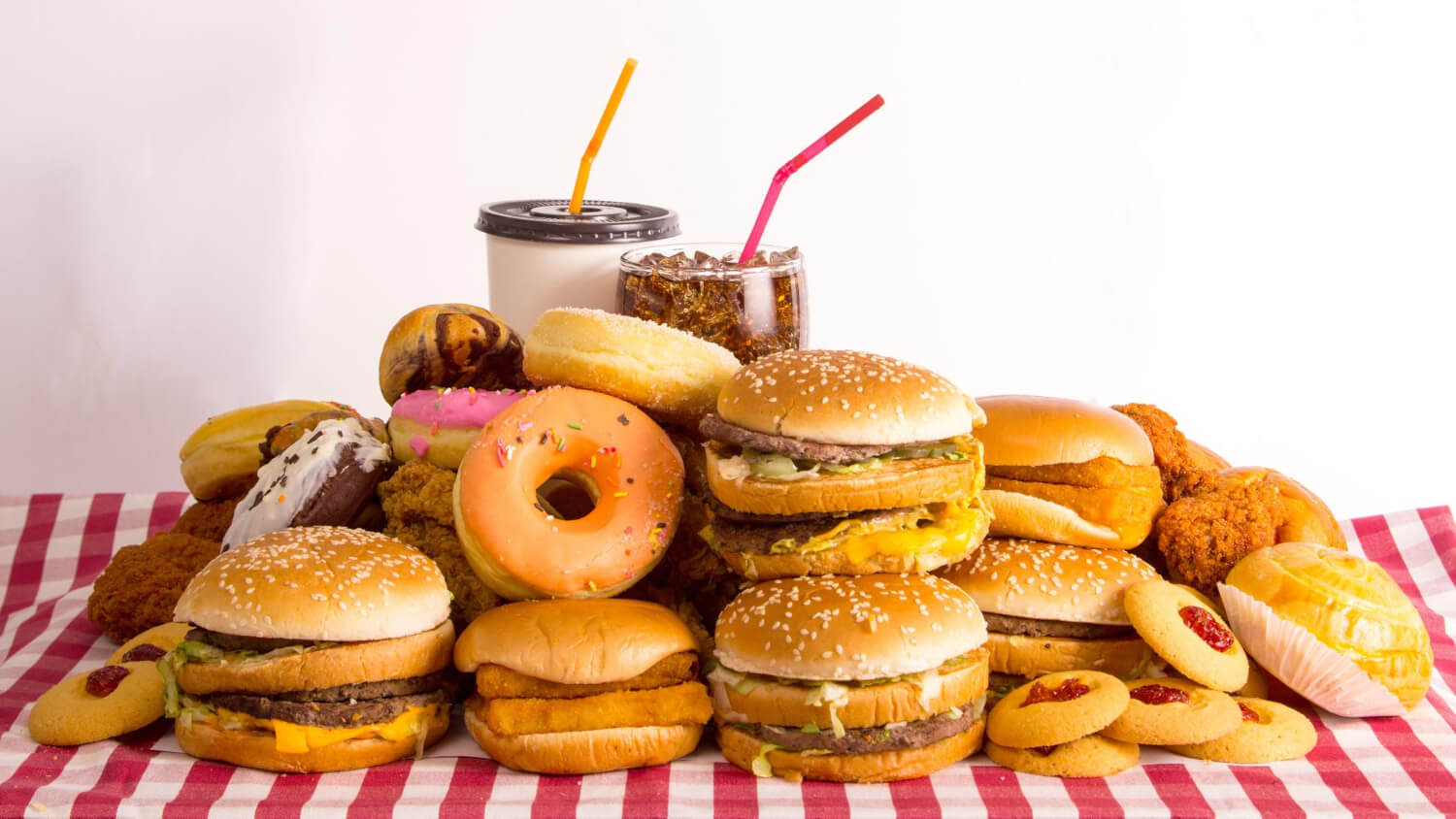
Packaged breads. Breakfast cereals. Flavored yogurts. Energy bars. Sports drinks. Deli meats. Instant soups. Frozen meals. Plant-based meat substitutes. Packaged snacks. Most fast food items. Even some products marketed as “healthy” or “natural” fall into this category once you read the ingredients carefully.

10 Health Risks Linked to Ultra Processed Foods
1. Increased Cardiovascular Disease
This is the most alarming finding from recent research. The 2026 Florida Atlantic University study found that adults with the highest intake had a 47% higher risk of heart attack or stroke.
A separate 2024 umbrella review covering 45 meta-analyses and 10 million participants found “convincing” evidence of a 50% increased risk of cardiovascular disease mortality among the highest consumers. The mechanisms aren’t fully understood, but researchers point to chronic inflammation and blood vessel damage from refined ingredients.
2. Type 2 Diabetes
Multiple studies have linked high consumption to type 2 diabetes development. The dose-response is particularly striking. Each 10% increase in these foods as a proportion of total diet appears to raise diabetes risk by roughly 12%. The mechanism involves insulin resistance, weight gain, and disruption of the gut microbiome. For the roughly 38 million Americans with diabetes and another 96 million with prediabetes, this is a particularly relevant finding.
3. Obesity and Weight Gain
A widely cited 2019 study from the NIH led by Kevin Hall directly tested this connection. Researchers fed participants two different diets with matched calories, sugar, fat, and fiber content. Participants on the ultra-processed diet ate about 500 more calories per day and gained weight. Those on the minimally processed diet lost weight. This was a controlled experiment, not just an observation. Same calories on paper, same nutrients, but the form of the food itself changed how much people ate.
4. Mental Health Effects
The connection between diet and mental health has strengthened considerably in recent years. Research has linked high consumption to a 48% higher risk of anxiety and roughly 20% higher risk of depression. Some of this likely runs through the gut-brain axis. These products contain emulsifiers and additives that disrupt gut bacteria, which produce neurotransmitters affecting mood regulation.
5. Cognitive Decline and Dementia Risk
A 2022 study published in The BMJ found that men eating the most highly processed products had a 29% higher risk of developing colorectal cancer. More recent research has explored cognitive effects. Some studies have linked high consumption to faster cognitive decline and increased dementia risk in older adults. For people in their 40s and 50s thinking about long-term brain health, this matters.
6. Cancer Development
Multiple large studies have found associations between high consumption and cancer development. The strongest links involve colorectal, breast, and pancreatic cancers. Mechanisms likely include chronic inflammation, weight gain, and direct effects of certain additives. Nitrates in processed meats are classified as Group 1 carcinogens by the World Health Organization.
7. Disrupted Gut Microbiome
This is one of the more recent research areas, and it’s reshaping how scientists think about why these products cause so many problems. Emulsifiers like polysorbate-80 and carboxymethylcellulose (common in ice cream, sauces, and many packaged foods) have been shown to alter gut bacteria composition and increase intestinal permeability. Stanford Medicine has been particularly active in this area.
8. Accelerated Aging
Research suggests these products may accelerate biological aging through multiple mechanisms. Chronic inflammation, oxidative stress, insulin resistance. A 2023 study found that higher consumption was associated with shorter telomeres, the protective caps on chromosomes that shorten as cells age. The visible effects on skin, hair, and energy levels people notice when reducing these foods may reflect deeper cellular changes.
9. Increased All-Cause Mortality
Multiple large studies have found that higher consumption is associated with increased risk of death from any cause. The 2024 umbrella review found “convincing” evidence of a 21% increased risk of premature death. This is across all causes, not just heart disease or cancer specifically. It’s a number that captures the cumulative health impact in a way individual disease statistics don’t.
10. Disrupted Hunger Signals
This is the mechanism that ties many of the others together. These products are engineered to override normal hunger regulation. They’re designed by food scientists specifically to be eaten in larger quantities than the body would otherwise want. People consistently eat more calories without feeling full, gain weight despite trying not to, and develop dysfunctional relationships with food. Many people describe an almost addictive quality to these products. Emerging research suggests that’s not just metaphorical.
Why these foods are so hard to avoid
The 70% statistic isn’t an accident. The American food system has been built around ultra processed products because they’re profitable for manufacturers. Long shelf lives, cheap ingredients, high markups, and consumer habituation through carefully engineered taste profiles. The convenience is real.
The real cost of convenience
For busy professionals across the US, UK, Canada, and Australia, these products solve a real problem. Feeding yourself and your family on limited time and budget. A frozen meal takes three minutes and costs less than ingredients for a home-cooked dinner. A protein bar at your desk is faster than going somewhere for lunch. But the cost (increasingly well-documented) is showing up as a generation developing cardiovascular disease, diabetes, and cognitive decline at younger ages than their parents did.
How to Reduce Ultra Processed Foods Realistically
1. Read Ingredient Lists First
Not the nutrition facts. The ingredient list. If you see ingredients that don’t sound like food (chemicals, isolates, hydrogenated anything, high-fructose corn syrup, artificial colors), that’s the signal. Five or fewer real-food ingredients is a good rule of thumb.
2. Cook from Scratch Without Being Perfect
Even shifting from 90% ultra-processed to 50% makes a measurable difference in health markers. The goal isn’t elimination. It’s reduction. Anyone who tells you to “cut out all processed foods immediately” hasn’t lived a real adult life.
3. Shop the Perimeter
Most grocery stores arrange produce, meat, dairy, and bakery items around the perimeter. The center aisles are where most highly processed products live. This isn’t a perfect rule (you’ll still need beans, oils, spices), but it’s a useful starting heuristic.
4. Identify Your Weak Spots
Most people have a few specific items they consume heavily. Sugary drinks. Packaged snacks. Breakfast cereals. Frozen meals. Targeting those few items often produces more impact than overhauling everything. Pick your battles strategically rather than trying to fix everything at once.
5. Don't Replace UPF with Other UPF
“Plant-based” and “organic” versions of ultra processed foods are still ultra-processed. A veggie burger with 30 ingredients you can’t pronounce isn’t healthier than a beef burger from real meat. Real food is the goal, not “healthier-marketed” versions of fake food.
The Bottom Line
The case against ultra processed foods has become harder to dismiss. The 2026 research from major institutions including Florida Atlantic University, Stanford Medicine, and the European Society of Cardiology all point in the same direction. Higher rates of heart disease, diabetes, cancer, mental health problems, cognitive decline, and premature death.
What Individual Choices Still Matter
The food industry will continue making these products. They’re profitable, convenient, and engineered to be eaten. But individual decisions about what to put in your body still matter. The cumulative effect of reducing these foods, even modestly, is consistently associated with better health outcomes.
Final Thoughts
This isn’t about perfectionism. It’s about awareness. Understanding that the convenient, shelf-stable, hyperpalatable food filling most grocery stores comes with measurable health costs gives you the information to make different choices when you can. For most people, reducing ultra processed foods by even 25-50% represents one of the higher-impact health changes available.
Disclaimer: This article is for informational purposes only and does not constitute medical advice. Significant dietary changes should be discussed with a healthcare provider or registered dietitian.