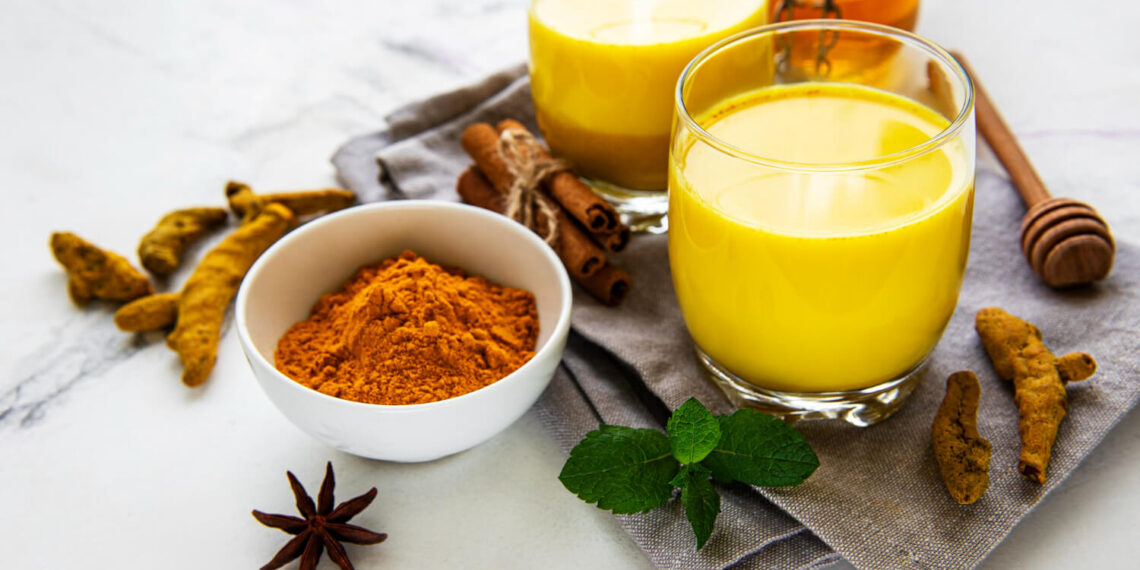
Turmeric has become the wellness world’s favorite spice. Golden milk lattes. Turmeric shots. $50 curcumin supplements with “bioavailability technology.” Influencers sprinkling it on everything from eggs to ice cream. The bright yellow-orange spice that’s been a kitchen staple in India for thousands of years suddenly has a marketing team. The interesting part is that some of the health claims actually have real research behind them. Not all of them. But enough that turmeric deserves more than a dismissive eye-roll.
What This Article Will Tell You
This isn’t going to claim turmeric cures cancer. It’s also not going to dismiss it as ineffective wellness theater. The 2026 research, including the April 2026 Johns Hopkins Medicine review, has produced a clearer picture. Some turmeric benefits hold up well in clinical trials. Others remain promising but unproven. The honest version is more useful than either extreme.
What Turmeric Actually Is
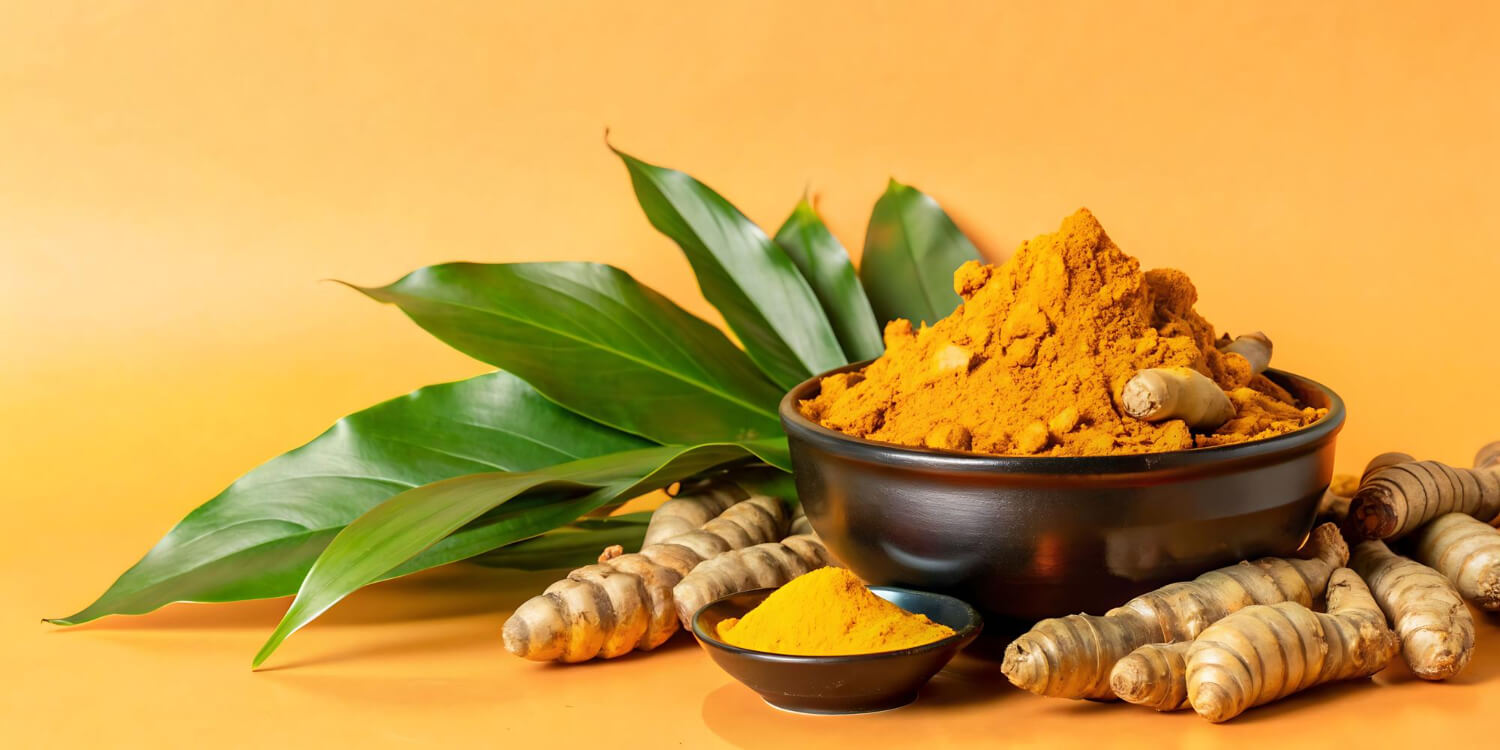
Turmeric is a deep golden-orange spice that comes from the rhizome (root) of a native Asian plant. It’s a relative of ginger. The active compound everyone talks about is curcumin, which gives turmeric its color. Curcumin and related compounds called curcuminoids are responsible for most of the documented health effects
The Bioavailability Problem
Here’s something most articles skip. Curcumin is poorly absorbed by the human body. The Linus Pauling Institute at Oregon State University notes that orally consumed curcumin is rapidly metabolized and eliminated. This limits its therapeutic potential significantly. Pairing it with black pepper (which contains piperine) increases absorption by up to 2,000%. Without that combination, most curcumin passes through unused.
What 2026 Research Reveals
A 2023 meta-analysis of 66 randomized controlled trials provided some of the strongest evidence yet for turmeric’s anti-inflammatory effects. The analysis found significant reductions in C-reactive protein (CRP), tumor necrosis factor alpha (TNF α), and interleukin-6 (IL-6). All three are major inflammatory markers linked to chronic disease. The 2026 Johns Hopkins review confirmed these findings.
The Anti-Inflammatory Foundation
Most documented turmeric benefits trace back to one mechanism. Reduced inflammation. Curcumin modulates inflammatory pathways in ways that affect dozens of downstream conditions. This is why turmeric shows up in research on arthritis, heart disease, diabetes, and depression. The common thread is chronic inflammation.
The Science-Backed Turmeric Benefits
1. Reduced Inflammation
This is the strongest evidence base for any turmeric benefit. The 2023 meta-analysis of 66 RCTs showed significant reductions in CRP, TNF α , and IL-6. Multiple smaller studies have confirmed these findings. For people dealing with chronic low grade inflammation, this matters more than most realize.
2. Osteoarthritis Pain Relief
Human studies have shown potential for curcumin in managing osteoarthritis pain. This is one of the most clinically useful turmeric benefits. The April 2026 Johns Hopkins review noted that people with osteoarthritis reported less joint pain when eating turmeric in recipes. Several clinical trials have shown effects comparable to mild NSAIDs without the gastrointestinal side effects.
3. Antioxidant Activity
The 2023 meta-analysis also documented significant improvements in antioxidant markers. Total antioxidant capacity (TAC) increased. Malondialdehyde (MDA) levels decreased. Superoxide dismutase (SOD) activity improved. In plainer language, turmeric helps the body deal with oxidative stress that contributes to aging and chronic disease.
4. Potential Heart Health Support
Curcumin has been linked to improvements in endothelial function (the cells lining blood vessels). Some studies show modest reductions in LDL cholesterol and improvements in arterial flexibility. The effects aren’t dramatic, but they’re consistent enough to take seriously as part of a broader cardiovascular health approach.
5. Possible Brain Health Benefits
Curcumin has antioxidant and neuroprotective effects in laboratory studies. Some research suggests potential benefits for memory and mood. The April 2026 Johns Hopkins review noted that studies on mood disorders, depression, and dementia have been small. More research is needed before strong claims can be made. The biological plausibility is real, but the human evidence is still developing.
6. Blood Sugar Regulation
Some studies have linked curcumin to improved insulin sensitivity and lower fasting blood sugar. The effects are modest. Curcumin isn’t a diabetes treatment, but it may complement other approaches. The Linus Pauling Institute notes evidence here is still “very limited.”
7. Possible Cancer Risk Modulation
This is where evidence gets most contested. Curcumin shows anticancer activity in laboratory studies, but human trials have been inconsistent. Several ongoing clinical trials are evaluating curcumin in patients with breast, prostate, pancreatic, lung, and colorectal cancers. The Linus Pauling Institute’s current position is that evidence for cancer prevention or treatment is “very limited.”
8. Digestive Health Support
Curcumin has shown beneficial effects in studies of inflammatory bowel disease (IBD). Several trials have documented improvements in clinical symptoms, endoscopic relief, and reduction of oxidative stress markers in IBD patients. Turmeric isn’t a replacement for IBD medications, but it may help as an adjunct.
9. Skin Health Effects
Turmeric has been used topically in traditional medicine for skin conditions for centuries. Some research supports anti-inflammatory and antimicrobial effects on the skin. The compound has been studied for acne, eczema, and psoriasis. Effects are modest but real.
10. Antimicrobial Properties
Curcumin shows activity against various bacteria, fungi, and viruses in laboratory studies. What this means clinically is less clear. The compound is poorly absorbed when taken orally, limiting its potential as an internal antimicrobial. Topical applications may have more direct relevance.
What Turmeric Doesn't Actually Do
The list of overclaimed turmeric benefits is long. Worth covering since these get repeated constantly. It doesn’t detox your liver (your liver detoxes itself). It doesn’t cure cancer despite what some supplement marketers imply. It doesn’t fix every health problem from baldness to depression. The miraculous claims circulating on social media generally aren’t supported by clinical evidence.
How to Get the Most From Turmeric
Getting turmeric benefits from food is realistic for most people. Use it in curries, soups, marinades, scrambled eggs, and roasted vegetables. Mary-Eve Brown, an oncology clinical dietitian at Johns Hopkins, recommends “anyone who’s trying to manage inflammation could benefit from adding some turmeric to their foods.”
The Pairing That Matters
Curcumin absorption requires two things to work properly. Black pepper (piperine) increases absorption by up to 2,000%. Fat helps too, since curcumin is fat-soluble. A pinch of black pepper plus a healthy fat like olive oil or coconut milk makes turmeric meaningfully more effective.
Should You Take Supplements?
Standardized curcumin supplements (typically 500 to 1,000 mg daily) are how most clinical trials deliver the doses studied for therapeutic effects. For specific conditions like arthritis pain, supplements may make sense. For general health maintenance, getting turmeric through food is probably enough. The supplement industry’s $40 bottles aren’t necessarily better than the $3 spice jar.
Who Should Be Cautious
Several groups should avoid high-dose turmeric supplements without medical supervision. People on blood thinners (curcumin has mild anticoagulant effects). Those with gallstones or bile duct issues. Anyone scheduled for surgery (stop 2 weeks before). People with iron deficiency, since turmeric can reduce iron absorption.
Drug Interactions to Know
Turmeric supplements interact with several common medications. Blood thinners like warfarin. Diabetes medications (additive blood sugar effects). Antacids and PPIs. Some chemotherapy drugs. Anyone on regular medications should check with a pharmacist before starting concentrated supplements
What to Expect Realistically
Effects from culinary turmeric use are subtle and cumulative. Concentrated supplements may produce more noticeable effects in 4 to 8 weeks. Most people don’t dramatically feel different. The benefits are more about reducing background inflammation than producing immediate sensations.
The Bottom Line
The turmeric benefits supported by solid research are real but modest. Anti-inflammatory effects (strong evidence). Osteoarthritis pain relief (good evidence). Antioxidant activity (good evidence). Heart and brain health (moderate evidence). Cancer prevention (limited evidence despite hype). For most people, regular culinary use of turmeric with black pepper and a fat source is the practical approach. Supplements make sense for specific conditions like arthritis pain. The miracle cure claims circulating online don’t hold up. The genuine benefits are useful enough to make turmeric a worthwhile addition to most diets.
Related Articles
- Apple Cider Vinegar Benefits: Another wellness staple with mixed evidence worth
understanding. - Ashwagandha Benefits: Another adaptogen with strong cortisol research behind it
Disclaimer: This article is for informational purposes only and does not constitute medical advice. Consult a healthcare provider before taking concentrated turmeric supplements, particularly if pregnant, on blood thinners, scheduled for surgery, or with gallbladder conditions.