
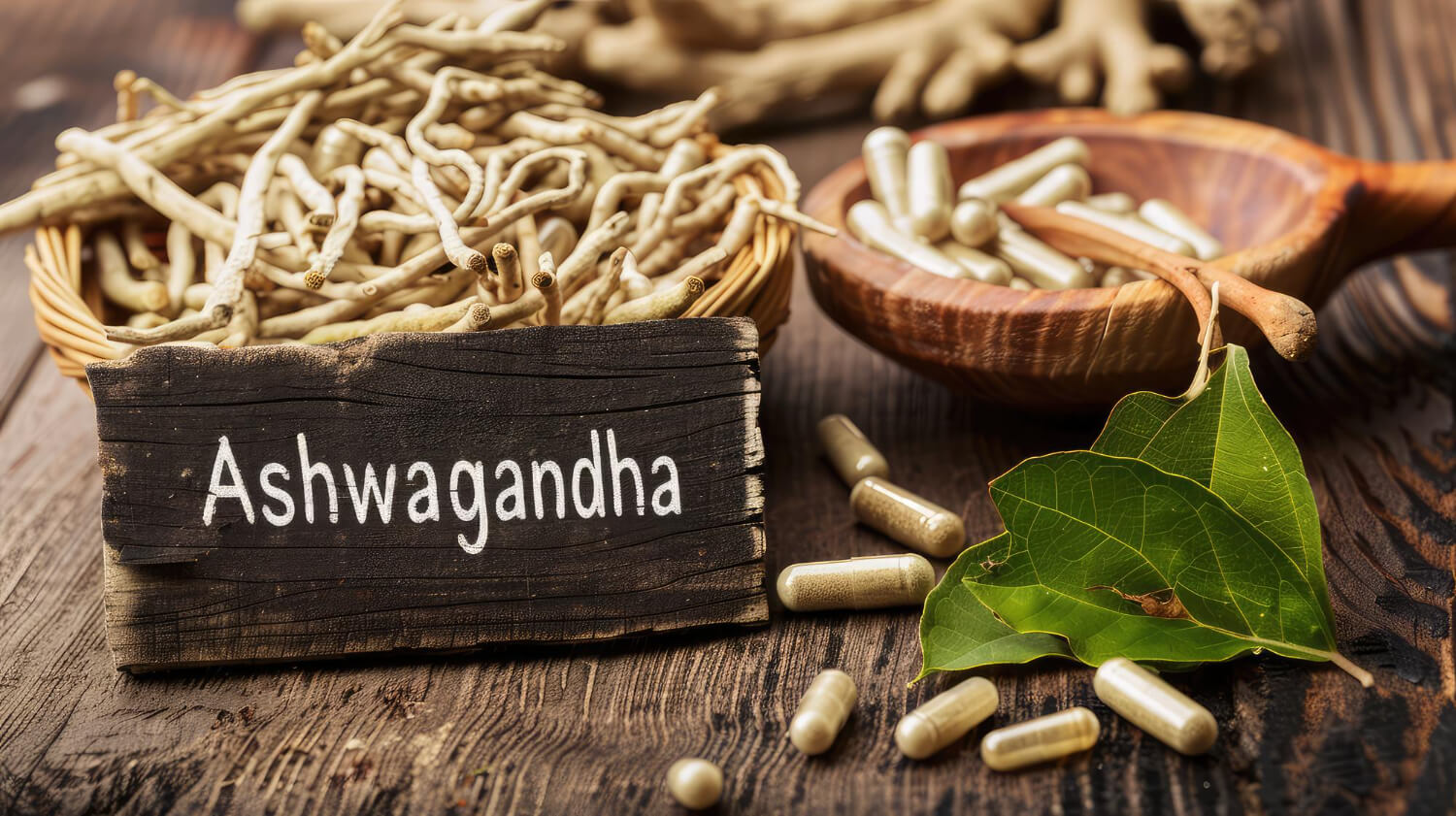
Ashwagandha has become the new poster child for “adaptogens you should be taking.” Wellness influencers are putting it in coffee. Supplement brands are selling it in $40 bottles. TikTok has discovered it about six times in the past two years. Each cycle, the claims get more dramatic. The interesting part is that some of the hype actually has science behind it. Not all of it. But enough that this herb deserves a serious look.
What This Article Will Tell You
This isn’t going to claim ashwagandha is a miracle. It’s also not going to dismiss it. The 2026 research has produced some genuinely interesting findings about specific applications. A few claims hold up well. Others don’t. The honest version of ashwagandha benefits is more useful than the influencer version.
What Ashwagandha Actually Is
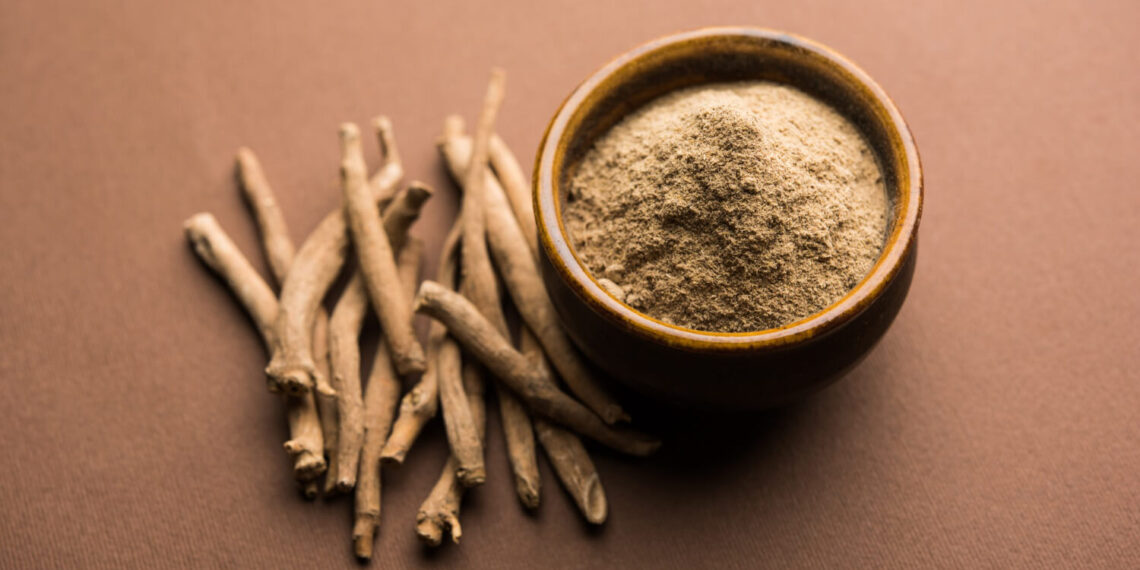
Ashwagandha (Withania somnifera) is a root herb used for centuries in Ayurvedic medicine. The name translates roughly to “smell of horse,” referring to both its odor and the traditional belief that it gives the strength of a horse. It’s classified as an adaptogen, meaning it’s believed to help the body manage stress. The active compounds include withanolides (steroidal lactones) and various alkaloids.
Why Researchers Care About It
For years, “adaptogen” was basically a wellness marketing term with thin scientific backing. That’s changing. The National Center for Complementary and Integrative Health now notes that some ashwagandha preparations may be effective for insomnia and stress. The World Federation of Societies of Biological Psychiatry has provisionally recommended specific doses for generalized anxiety disorder.
The Science-Backed Ashwagandha Benefits
1. Cortisol Reduction
This is the strongest evidence for any ashwagandha benefit. A 2024 systematic review of 15 randomized controlled trials, published in BJPsych Open, found significant reductions in serum cortisol levels at 8 weeks. The combined sample of 873 patients showed measurable decreases compared to placebo. For people dealing with chronic stress, this matters.
2. Stress Management
The same 2024 review found significant reductions in perceived stress scores. People taking ashwagandha reported lower stress on validated rating scales. A 2026 athlete study with 56 sub-elite team sport athletes showed that 600 mg/day of KSM-66 (a standardized extract) helped manage pre-season training stress. Recovery markers improved, particularly in female athletes.
3. Anxiety Symptom Reduction
Studies have shown improvements on the Hamilton Anxiety Rating Scale with ashwagandha supplementation. The effects appear meaningful at 8 weeks of use. The caveat is important. The NCCIH still describes anxiety evidence as “less clear” than the stress and insomnia data. Ashwagandha isn’t a replacement for proper anxiety treatment, but it may complement other approaches.
4. Sleep Quality Improvement
Research suggests ashwagandha may help with insomnia, particularly stress-related sleep issues. The mechanism likely involves both cortisol regulation and direct effects on sleep architecture. Some studies show people fall asleep faster and experience deeper sleep with consistent supplementation.
5. Possible Testosterone Support
This is where the marketing gets ahead of the science, but there’s something real underneath. Several studies have shown modest increases in testosterone levels, particularly in physically active men. The effects appear stronger with consistent use over 8 to 12 weeks. The size of the effect varies considerably between studies.
6. Athletic Recovery
The 2026 KSM-66 athlete study found that 600 mg/day for 42 days improved subjective recovery markers in athletes during high-stress training periods. The effects were particularly notable in female athletes. Salivary cortisol and cortisone levels both decreased compared to placebo.
7. Muscle Strength and Endurance
Several studies have shown modest improvements in muscle strength and endurance with ashwagandha supplementation, particularly when combined with resistance training. The effects are real but small. Ashwagandha isn’t going to add 50 pounds to your squat. It might help you recover slightly faster between training sessions.
8. Cognitive Function Support
Some studies have linked ashwagandha to improvements in attention, working memory, and reaction time. The research here is less consistent than the stress and cortisol data. The mechanism likely involves reduced cortisol (chronic high cortisol impairs cognition) rather than direct cognitive
enhancement.
Ashwagandha Benefits the Evidence Doesn't Support
The list of overclaimed ashwagandha benefits is long. Worth covering since these get repeated constantly. Cancer prevention or treatment (no good evidence). Fertility enhancement (mixed and weak). Thyroid function correction (research is preliminary and complex). Weight loss (no meaningful effect demonstrated). Energy enhancement (any boost likely comes from better sleep, not direct stimulation).
How to Get the Most From Ashwagandha Benefits
Effective dosing varies based on the form and standardization. Root extract standardized to 5% withanolides: typically 300 to 600 mg daily. KSM-66 (specific branded extract): 600 mg daily based on athlete research. Sensoril (another standardized extract): 125 to 250 mg twice daily
When to Take It
Most research uses 8 to 12 weeks of consistent daily intake before measuring effects. Some people prefer evening dosing for sleep effects. Others split doses morning and evening. Taking it with food generally improves tolerance.
When to Stop
This isn’t a forever supplement. Most clinical research uses 8 to 12 weeks of use. Cycling on and off (e.g., 12 weeks on, 4 weeks off) is a reasonable approach. Long-term safety data beyond 12 weeks is limited.
Who Should Avoid Ashwagandha
Several groups should not take ashwagandha without medical supervision. Pregnant women (may cause miscarriage). Anyone with autoimmune conditions like lupus or rheumatoid arthritis (it can stimulate immune activity). People with thyroid disorders should consult a doctor first, as ashwagandha may affect thyroid hormone levels.
Drug Interactions to Know
Ashwagandha can interact with several medications. Sedatives and anxiolytics (additive effects).
Thyroid medications (may need dose adjustment). Immunosuppressants (could reduce
effectiveness). Anyone on regular medications should check with a pharmacist or doctor before starting.
Choosing a Quality Product
The supplement industry is poorly regulated. Quality matters enormously here. Look for standardized extracts (KSM-66 and Sensoril are the most studied). Third-party testing certifications. Avoid mega-doses or proprietary “blends” that obscure how much active ingredient is present.
What to Expect From Ashwagandha Benefits
Effects build gradually. Most people don’t notice meaningful changes from ashwagandha benefits for 4 to 8 weeks. When changes do appear, they tend to be subtle. Slightly better stress tolerance. Slightly improved sleep. Slightly more even mood. The wellness influencer transformation stories are mostly placebo plus marketing.
The Bottom Line
The ashwagandha benefits supported by solid research are real but modest. Cortisol reduction (strong evidence). Stress management (strong evidence). Anxiety improvement (moderate evidence). Sleep quality (moderate evidence). Athletic recovery (moderate evidence in specific contexts). The flashy claims about transformation, energy, fertility, and cure-all status don’t hold up. For people dealing with chronic stress, sleep issues, or athletic recovery demands, a quality standardized extract at appropriate doses for 8 to 12 weeks is worth considering. Just don’t expect a miracle, and don’t replace proper medical care with it.
Related Articles
- Anti-Inflammatory Diet: Green tea fits naturally into a broader anti-inflammatory eating pattern
- Foods High in Magnesium: Another evidence-backed natural approach to better health
Disclaimer: This article is for informational purposes only and does not constitute medical advice. Consult a healthcare provider before starting ashwagandha, particularly if pregnant, breastfeeding, on medications, or with thyroid or autoimmune conditions.