
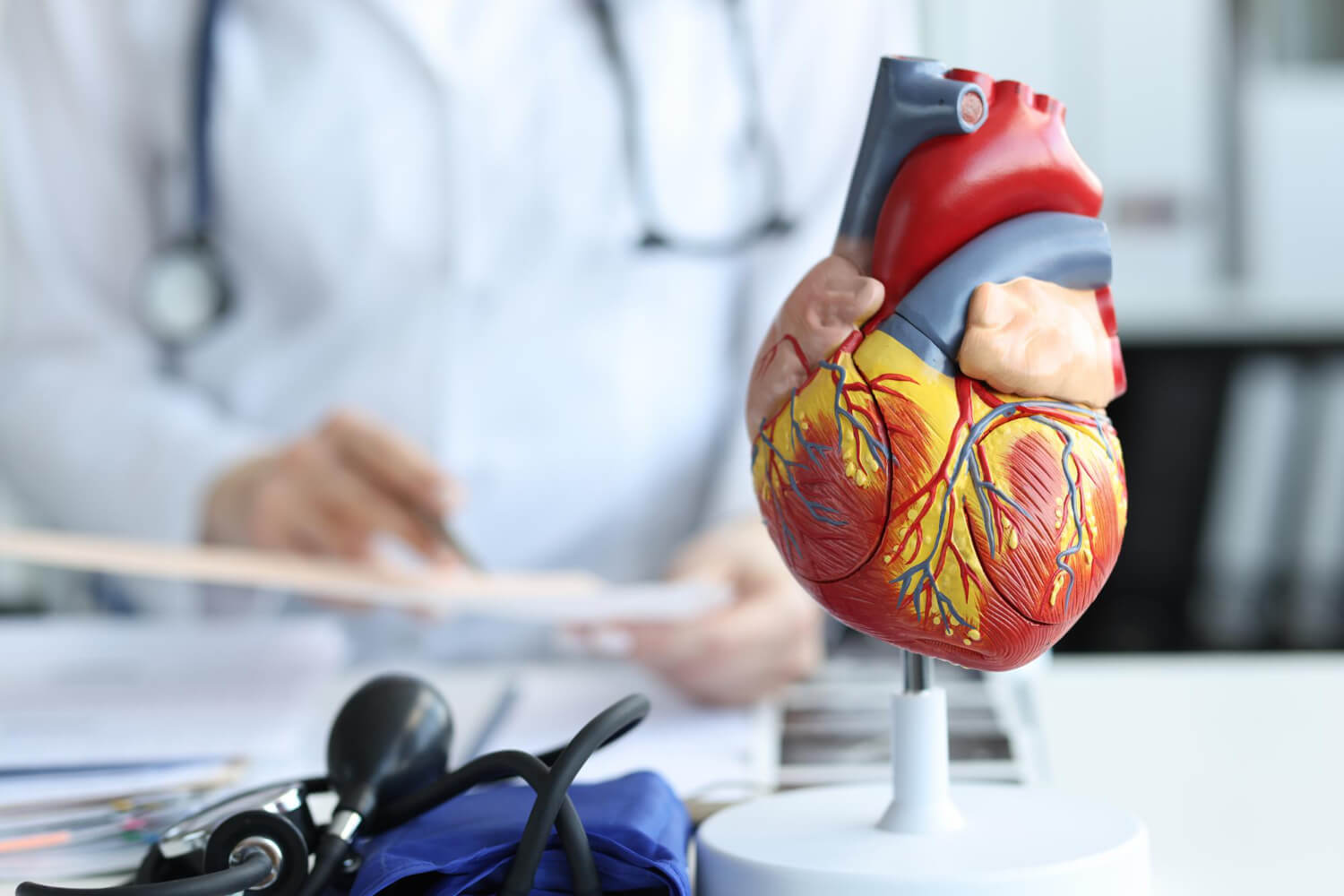
Heart disease is the leading cause of death worldwide. More than half of US adults are unaware of this fact, according to recent research. That gap in awareness matters. Heart disease rarely happens without warning. The body usually sends signals long before a major event occurs. The problem is that many of these signals are easy to brush off. Stress. Aging. Indigestion. Bad sleep. The signs get blamed on everything except what’s actually happening.
What the 2026 Research Shows
The American Heart Association published its 2026 Heart Disease and Stroke Statistics report in Circulation in January 2026. The numbers haven’t improved much. Heart disease still kills more Americans than cancer, accidents, and respiratory disease combined. According to CDC data, high blood pressure, high cholesterol, and smoking remain the three biggest controllable risk factors.
Why Knowing the Signs Saves Lives
A January 2026 Baldwin Publishing review emphasized that recognizing early warning signs makes a life-saving difference. The window for intervention closes fast once a cardiac event begins. Knowing what to watch for and acting quickly can mean the difference between full recovery and permanent damage.
What "Heart Disease" Actually Covers
Heart disease is an umbrella term. It includes coronary artery disease, heart failure, arrhythmias, valve problems, and several other conditions. Each presents differently, but many share warning signs. The most common form is coronary artery disease, where plaque buildup narrows arteries and restricts blood flow.
The Hardest Part About Heart Disease
You can have heart problems with normal blood pressure and normal pulse readings. That fact catches many people off guard. According to HCA Midwest Health, less obvious symptoms like fatigue and jaw pain can indicate underlying heart issues even when standard vitals look fine. Routine checkups don’t catch everything.
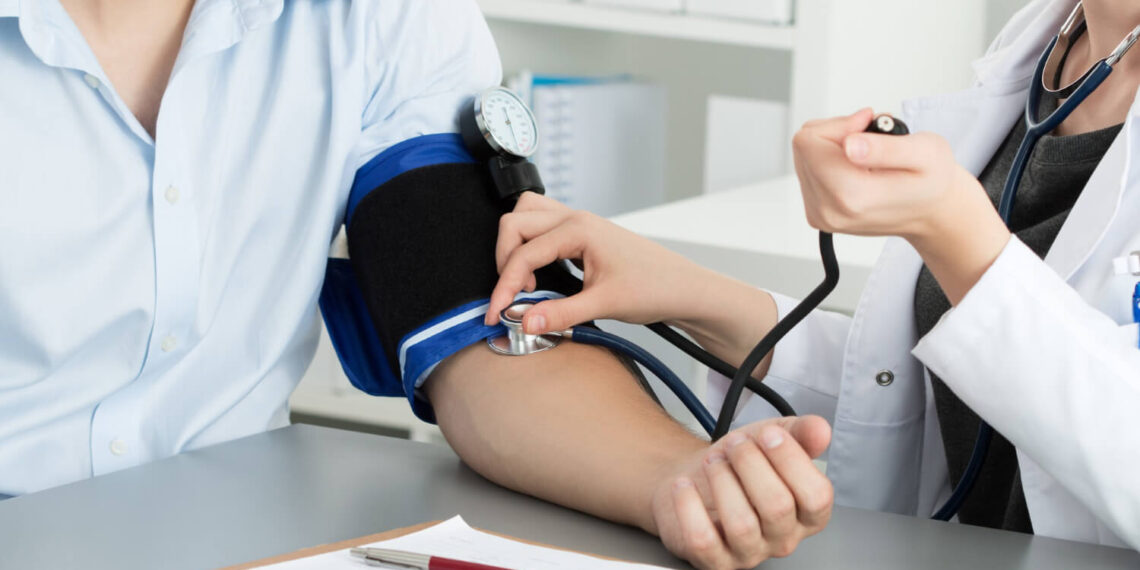
12 Signs of Heart Disease to Recognize
1. Chest Pain or Discomfort
This is the classic, most well-known warning sign. Pressure, squeezing, fullness, or pain in the center of the chest. According to the American Heart Association, the discomfort can last more than a few minutes or come and go. It often feels like uncomfortable pressure rather than sharp pain. Don’t wait to get this checked out.
2. Pain Spreading to Arms, Neck, Jaw, or Back
Heart pain often radiates beyond the chest. Pain in one or both arms (most commonly left). Discomfort in the jaw, neck, shoulder, or upper back. Women experience this pattern more frequently than men. Many heart attacks in women are missed initially because the chest pain is mild or absent, while the radiating discomfort is the dominant symptom.
3. Shortness of Breath
Breathing difficulty during normal activities or even at rest. Walking up a flight of stairs suddenly feels harder than it used to. The Heart Failure Society of America uses the FACES acronym to remember key warning signs. The “F” includes fatigue and difficulty breathing. When the heart can’t pump effectively, fluid backs up in the lungs.
4. Unusual or Extreme Fatigue
This is one of the most overlooked warning symptoms, particularly in women. Exhaustion that doesn’t lift with rest. The fatigue feels different from normal tiredness. It’s persistent, often worse with activity, and disproportionate to what you’ve done. People often blame stress or aging when their heart is actually struggling.
5. Heart Palpitations or Irregular Heartbeat
Fluttering, pounding, or skipping beats. Sometimes the heart races for no clear reason. Other times it feels like it’s pausing. Occasional palpitations can be normal, particularly with caffeine or stress. But persistent or new onset palpitations warrant medical evaluation, especially when accompanied by other symptoms on this list.
6. Dizziness or Lightheadedness
Feeling faint, especially when standing up or during physical activity. The world tilts or spins briefly. This can indicate insufficient blood flow to the brain due to heart rhythm problems or reduced cardiac output. When dizziness appears alongside chest discomfort or shortness of breath, it becomes more concerning.
7. Swelling in Legs, Ankles, or Feet
Peripheral edema indicates the heart isn’t pumping efficiently, causing fluid to back up in the lower extremities. Shoes feel tight by the end of the day. Socks leave deep marks. Pressing the skin leaves an indentation that takes time to fill back in. This is one of the more visible signs of heart failure.
8. Persistent Cough with White or Pink Mucus
A long-lasting cough, particularly producing white or pink-tinged mucus, can indicate heart failure. When the heart can’t pump effectively, blood backs up into the lungs. This causes a cough that doesn’t resolve like a cold would. The Cleveland Clinic and WebMD both list this as a less obvious warning sign.
9. Nausea or Stomach Discomfort
Some people experience heart problems as nausea, indigestion, or general stomach upset. Easily mistaken for food poisoning or a stomach bug. This pattern shows up more often in women and older adults. The January 2026 review from Baldwin Publishing noted these symptoms are commonly dismissed as digestive issues when they’re actually cardiac.
10. Cold Sweats Without Clear Cause
Breaking out in a cold sweat without exercising or being in a hot environment. Skin feels clammy and pale. This is one of the more specific cardiac warning signs. Combined with chest discomfort, it strongly suggests a cardiac event is in progress and warrants immediate emergency care.
11. Bloating or Abdominal Discomfort
When the heart can’t pump fast enough, blood backs up in the veins. The kidneys also struggle to remove excess water and sodium. The result is bloating, abdominal discomfort, or rapid weight gain from fluid retention. This typically indicates more advanced heart failure rather than early stage disease.
12. Reduced Exercise Tolerance
Activities you previously handled easily become hard. Walking the dog leaves you winded. Carrying groceries up stairs feels like a workout. This is one of the most underrated warning signs. The “A” in the FACES acronym stands for activity limitation. The Harvard Health review noted that people tend to attribute this to aging when it’s often cardiac.
How Symptoms Differ Between Men and Women
Men typically experience the classic chest pain symptom. Women often experience subtler signs that get missed. Women are more likely to have fatigue, nausea, jaw or back pain, and shortness of breath without significant chest discomfort. This is part of why heart disease in women is more frequently missed or diagnosed later than in men.
Older Adults Can Have Atypical Presentations
Pain perception changes with age. Older adults may not experience classic chest pain during a heart attack. According to HCA Midwest Health, other age-related conditions can also mask heart attack symptoms. This makes recognizing atypical signs even more important for adults over 65.
The Risk Factors That Matter Most
According to the CDC, three factors drive the majority of heart disease risk. High blood pressure. High cholesterol (particularly LDL). Smoking. Add type 2 diabetes, obesity, family history, and physical inactivity. The presence of multiple risk factors dramatically increases overall risk.
Risk Factors Worth Discussing With Your Doctor
Some risk factors get less attention but matter significantly. Sleep apnea (untreated). Chronic stress and depression. Inflammatory conditions like rheumatoid arthritis. Pre-eclampsia history (for women). Age over 55 (men) or post-menopause (women). Heavy alcohol consumption.
When to Call Emergency Services
Some symptoms require immediate action. Don’t wait or try to drive yourself. Call 911 (or local emergency services) immediately for chest discomfort lasting more than a few minutes, especially with sweating, nausea, lightheadedness, or shortness of breath. The American Heart Association is clear. Minutes matter. Fast action saves lives.
When to Schedule a Doctor's Visit
For symptoms that aren’t acute but persistent, schedule an appointment within days, not weeks Increasing fatigue. New palpitations. Reduced exercise tolerance. Persistent cough. Worsening shortness of breath. Don’t wait for symptoms to become severe before getting evaluated.
What Testing Usually Involves
A heart workup typically includes several straightforward tests. ECG/EKG to check heart rhythm. Echocardiogram to visualize heart function. Stress testing to evaluate exercise tolerance. Blood work including lipid panel, glucose, and inflammatory markers. Coronary calcium scoring or cardiac CT for higher-risk patients.
What Testing Usually Involves
A heart workup typically includes several straightforward tests. ECG/EKG to check heart rhythm. Echocardiogram to visualize heart function. Stress testing to evaluate exercise tolerance. Blood work including lipid panel, glucose, and inflammatory markers. Coronary calcium scoring or cardiac CT for higher-risk patients.
The Bottom Line
The signs of heart disease range from obvious (severe chest pain) to easily missed (unusual fatigue, jaw pain, persistent cough). Knowing the less obvious symptoms is what separates timely diagnosis from preventable tragedy. Heart disease remains the leading killer in Tier 1 countries despite enormous medical advances. The body usually warns before major events. The challenge is recognizing those warnings as cardiac rather than blaming them on something else. For anyone over 40 with multiple risk factors, proactive heart screening makes sense even without symptoms. Catching problems early dramatically improves outcomes.
Related Articles
- Anti-Inflammatory Diet: Green tea fits naturally into a broader anti-inflammatory eating pattern
- Foods High in Magnesium: Another evidence-backed natural approach to better health
Disclaimer: This article is for informational purposes only and does not constitute medical advice. If you experience any signs of a heart attack or cardiac event, call emergency services immediately. Don’t wait to confirm. Minutes matter