
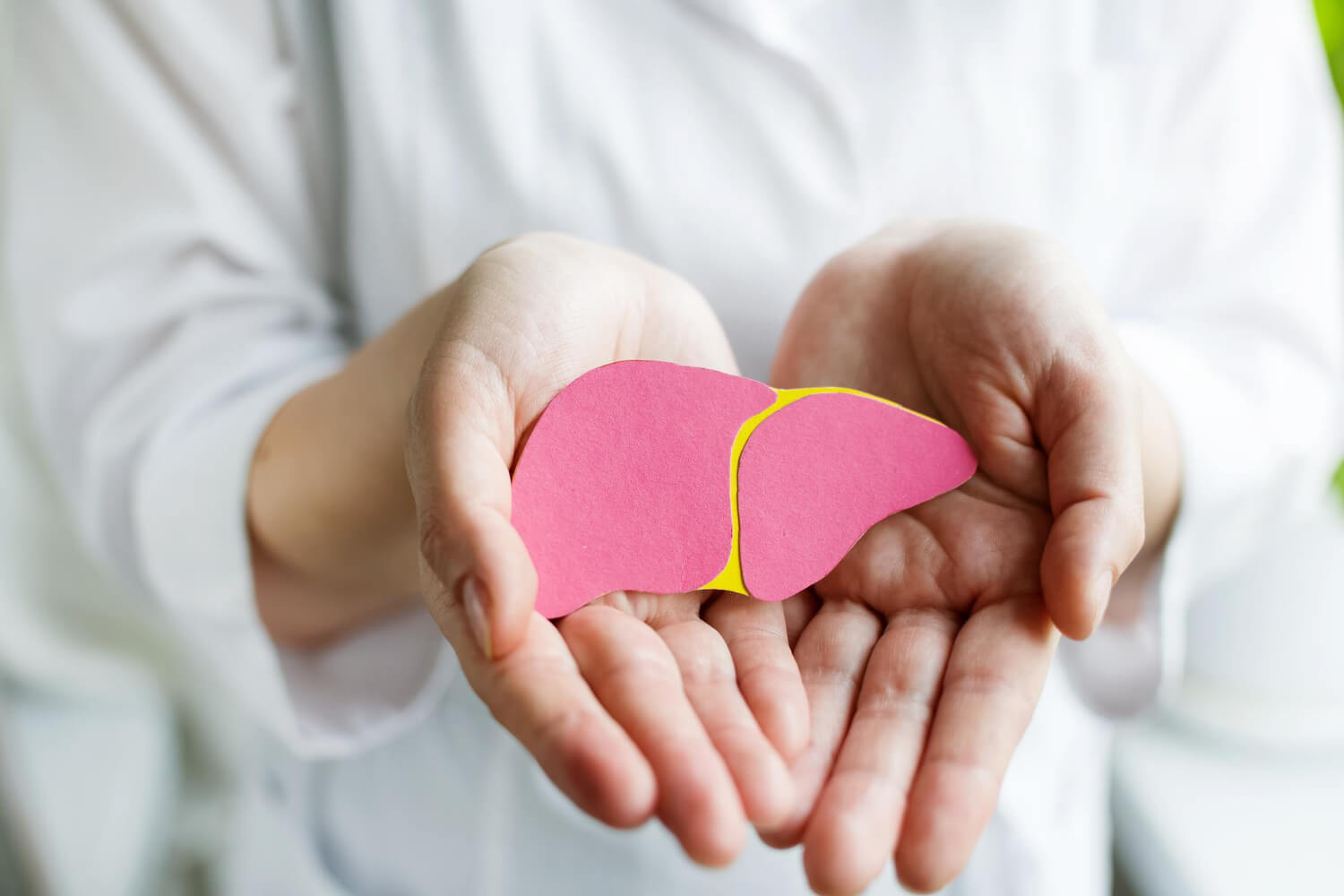
The liver detox industry has a fundamental problem: your liver already does the job.
Detox teas, cleanse juices, “liver support” supplements, and restrictive detox diets generate billions of dollars annually. They all promise to flush toxins, reset your liver, and restore health. Yet the medical consensus is remarkably clear and consistent. These products largely don’t work.
Understanding how to detox your liver honestly means accepting an uncomfortable truth, then focusing on what genuinely helps.
The uncomfortable truth upfront
Let’s be direct about what the research shows. According to Johns Hopkins hepatologist Tinsay Woreta, liver cleanses aren’t recommended because they lack clinical evidence and don’t reverse damage from overeating or alcohol.
A 2023 analysis of the top 10 selling liver detox products found no definitive evidence they improved liver function or health. Your liver doesn’t need special teas, pills, or juices to detoxify. It’s already doing that continuously.
What your liver actually does
Your liver is one of the most sophisticated organs in your body. It performs over 500 functions, including a continuous, complex detoxification process.
It filters alcohol, drugs, and toxins 24 hours a day through what scientists call Phase I and Phase II detoxification pathways. These convert harmful substances into forms your body can eliminate. No supplement can match or enhance this built-in system in healthy people.
Why detox products don't work
The core problem with detox marketing is that it misunderstands basic physiology. Your liver and kidneys already process and eliminate waste continuously.
A comprehensive analysis of herbal liver products found that while some ingredients show promise in laboratory studies, human clinical trials remain limited and often show minimal benefits. The gap between test-tube results and real-world effects is enormous. Marketing exploits that gap.
The weight loss myth
Many liver detox products are marketed as weight loss cleanses. This claim deserves particular skepticism. Any weight lost during a detox is usually water weight that returns once you resume normal eating. There are no clinical data supporting detox cleanses for weight loss. Real weight management involves calories, genetics, hormones, and sustainable habits, not liver flushes.
The dangerous side of detox products
Here’s what makes this more than just wasted money. Some liver detox supplements actively harm the organ they claim to help. Certain dietary supplements can cause drug-induced liver injury (DILI). This is a documented medical phenomenon. The supplement market for liver products is expanding rapidly, yet the efficacy and safety of many products remain unsubstantiated. Some products send people to the hospital.
What actually supports liver health
1. Limit alcohol consumption
This is the single most important factor for liver health. Alcohol is directly processed by the liver and causes damage when consumed in excess. Excessive drinking leads to fatty liver, hepatitis, and eventually cirrhosis. The liver can regenerate if damage isn’t too severe, but only if you reduce the alcohol burden. For liver health, less alcohol is always better. This matters more than any supplement ever could.
2. Maintain a healthy weight
Obesity is a major driver of liver disease, particularly metabolic dysfunction-associated steatotic liver disease (MASLD, formerly called fatty liver disease). Excess weight, especially visceral fat, promotes fat accumulation in the liver. Losing even 5 to 10% of body weight can significantly reduce liver fat. This does more for your liver than any detox program ever marketed.
3. Eat a balanced diet
A varied, balanced diet supports liver function far better than restrictive cleanses. The liver needs proper nutrition to do its job. Emphasize vegetables, fruits, whole grains, lean proteins, and healthy fats. Limit ultra-processed foods, added sugars, and excessive saturated fat. The Mediterranean eating pattern has particularly strong evidence for liver health.
4. Exercise regularly
Physical activity directly benefits the liver by reducing liver fat and improving insulin sensitivity. Both aerobic exercise and resistance training help. Regular movement helps prevent and even reverse early fatty liver disease. Aim for at least 150 minutes of moderate activity weekly. Exercise addresses the metabolic dysfunction underlying most modern liver problems.
5. Stay hydrated
Adequate hydration supports all your organs, including the liver. Water helps the kidneys and liver eliminate waste efficiently. This doesn’t mean special detox waters or expensive beverages. Plain water throughout the day is sufficient. There’s nothing magical about hydration for the liver specifically, but proper fluid intake supports overall function.
6. Be careful with medications
The liver processes most medications, and some can cause damage, particularly in excess. Acetaminophen (paracetamol) is a common culprit. Follow dosing instructions carefully. Avoid combining alcohol with medications that stress the liver. Be cautious with supplements, since many “natural” products carry hidden liver risks. When in doubt, consult a pharmacist or doctor.
7. Avoid risky behaviors
Viral hepatitis is a major cause of liver disease worldwide. Several preventable behaviors increase risk. Avoid sharing needles. Practice safe sex to reduce hepatitis B and C transmission. Get vaccinated against hepatitis A and B. These preventive measures protect your liver far more effectively than any cleanse product.
8. Anti-Inflammatory Effects
Chronic inflammation drives most modern diseases, from heart disease to diabetes to dementia. Green tea catechins consistently reduce inflammatory markers in human studies. EGCG inhibits the production of inflammatory cytokines and modulates immune cell behavior.
9. Better Oral Health
This one surprised me when I first dug into it. Green tea has demonstrable effects on dental health. The catechins inhibit bacteria associated with cavities and gum disease. Green tea also reduces inflammation in gum tissue and may help with bad breath caused by oral bacteria.
10. Improved Skin Health
Both topical and oral green tea show benefits for skin. Drinking it provides antioxidants that may protect against UV damage from inside. Topical applications have been shown to reduce signs of aging, redness, and acne severity. Many skincare products now include green tea extract for these reasons.
11. Mild Anti-Anxiety Effects
Green tea contains L-theanine, an amino acid that promotes relaxation without causing drowsiness. Studies show L-theanine increases alpha brain wave activity, the pattern associated with relaxed alertness. For people who find coffee makes them anxious, switching to green tea often produces a noticeable difference within weeks.
12. Improved Gut Health
The catechins in green tea act as prebiotics, feeding beneficial gut bacteria while inhibiting harmful ones. Research has linked regular consumption to more diverse gut microbiomes and lower levels of bacteria associated with inflammation and disease.
What about milk thistle?
Milk thistle is the most researched liver supplement, so it deserves specific attention. The evidence is more nuanced than either promoters or skeptics suggest. Studies show milk thistle may offer modest benefits for certain liver conditions, and its active compound silymarin has antioxidant properties. However, the evidence for healthy people wanting to “support” their liver is weak. It’s not harmful for most people, but it’s not the miracle marketers claim.
What about turmeric and other supplements?
Turmeric, dandelion root, and various herbs appear in liver detox products. Some show laboratory promise but lack strong human evidence. Turmeric has anti-inflammatory properties that may theoretically benefit the liver, but clinical proof for liver detoxification is lacking. The key point: these should complement, not replace, the fundamental habits. And some can interact with medications.
When your liver actually needs medical help
There’s an important distinction between wellness marketing and genuine liver disease. People with diagnosed liver conditions need real medical care, not cleanses. Fatty liver disease, hepatitis, and cirrhosis require proper medical management. This is fundamentally different from a commercial detox. If you have risk factors or symptoms, see a doctor rather than buying supplements.
Warning signs worth checking
Certain symptoms suggest your liver needs medical evaluation, not a detox product. These warrant a doctor visit. Yellowing of skin or eyes (jaundice). Persistent fatigue. Abdominal pain or swelling. Dark urine. Unexplained nausea. Easy bruising. A simple blood test measuring liver enzymes can reveal how well your liver is functioning.
The regeneration reality
One remarkable fact about the liver is its ability to regenerate. This is genuine, but it has limits worth understanding. The liver repairs damaged tissue by regenerating new cells. This takes time and can result in scarring with repeated damage. Supporting regeneration means removing the source of damage (alcohol, poor diet, toxins), not adding detox products. The liver heals itself when you stop harming it.
The bottom line
Learning how to detox your liver honestly means recognizing that your liver already detoxifies itself continuously and efficiently. No tea, juice, supplement, or cleanse improves on this built-in system.
What genuinely supports liver health is unglamorous but effective: limiting alcohol, maintaining a healthy weight, eating well, exercising, staying hydrated, being careful with medications, and avoiding risky behaviors.
For anyone worried about their liver, skip the products that claim to detox liver tissue (some of which cause harm) and focus on these fundamentals. If you have symptoms or risk factors, see a doctor for proper testing. Your liver doesn’t need a cleanse. It needs you to stop overwhelming it and let it do its job.
Related Articles
- Fatty Liver Disease Symptoms: The most common liver condition and its warning signs
- Apple Cider Vinegar Benefits: Another wellness product where detox claims outrun the evidence
- Anti-Inflammatory Diet: An eating pattern that genuinely supports liver health
Sources
- Johns Hopkins Medicine – Detoxing Your Liver: Fact Versus Fiction (January 2026)
- Apollo Hospitals – Liver Detox Diets: Myths and Facts (May 2026)
- Healthgrades – 5 Myths and Facts About Detoxifying the Liver (January 2026)
- Ubie Health – Understanding Detox Myths (May 2026)
- Doctronic – Does Liver Cleanse Work? What the Science Says (June 2026)
- PubMed – Liver Cleansing Imposters: Analysis of Online Liver Supplements (January 2026)
- Dr. Lal PathLabs – Liver Detox: Myths vs Facts (December 2025)
Disclaimer: This article is for informational purposes only and does not constitute medical advice. If you have symptoms of liver problems or risk factors, consult a healthcare provider for proper testing. Some liver detox supplements can cause harm, so discuss any supplements with your doctor.