
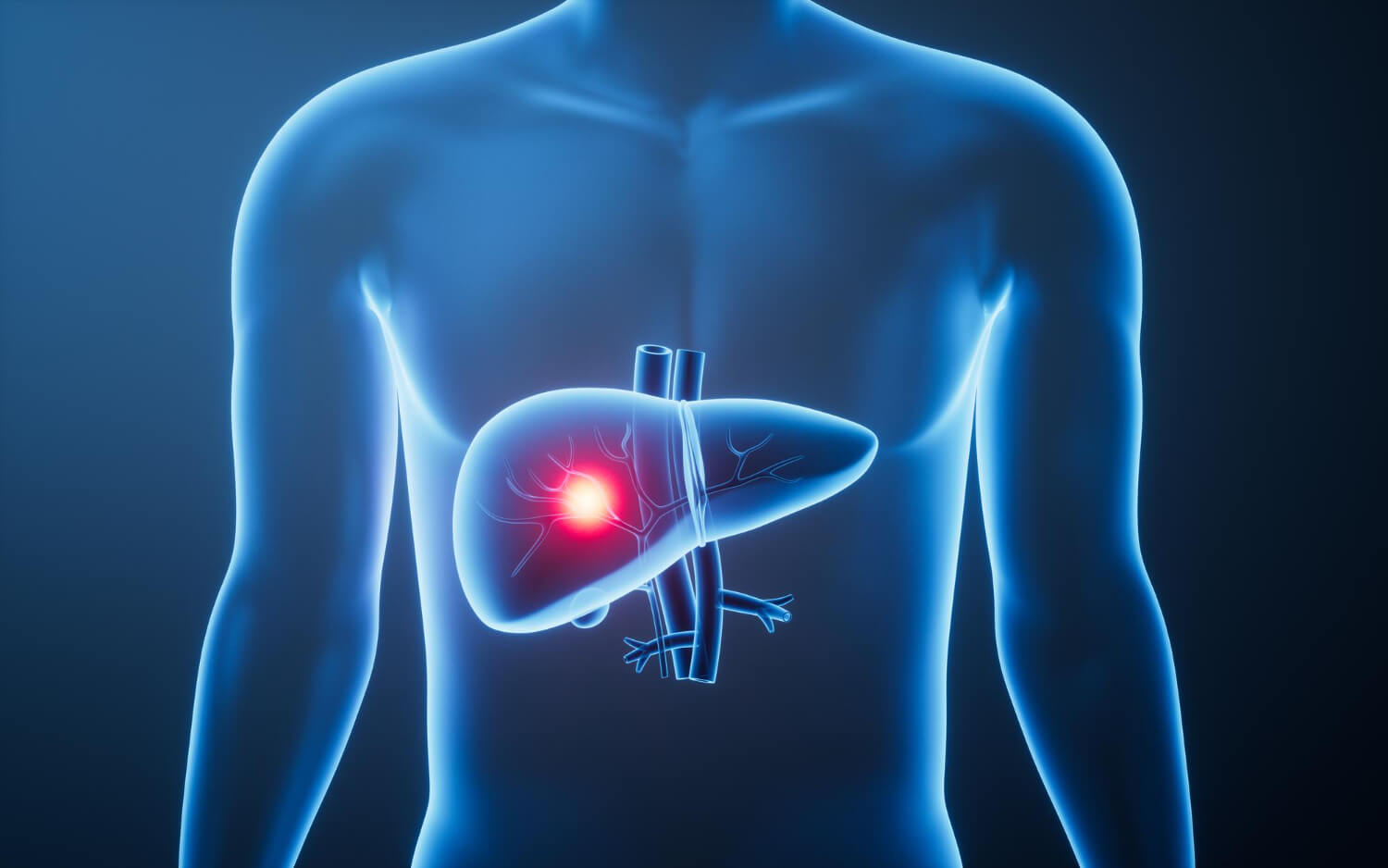
The liver doesn’t complain. It quietly handles over 500 functions every day, filtering toxins, processing nutrients, storing energy, without making a fuss. That’s why fatty liver disease is often called the “silent” condition. By the time fatty liver symptoms appear, the damage may already be underway.
Here’s the reality: fatty liver disease now affects nearly 38% of the global population. That’s more than 1 in 3 adults walking around with excess fat in their liver — and most have no idea. In the US alone, it’s become the most common chronic liver condition, overtaking hepatitis and alcohol-related liver disease.
The good news? Fatty liver is often reversible when caught early. But that requires knowing what to look for.
What Is Fatty Liver Disease?
Fatty liver occurs when fat accumulates in liver cells, typically more than 5% of the liver’s weight. A small amount of fat is normal, but too much triggers inflammation and, over time, scarring.
There are two main types:
- Non-Alcoholic Fatty Liver Disease (NAFLD/MASLD):
Not caused by alcohol. Linked to obesity, diabetes, high cholesterol, and metabolic syndrome. This is the most common form. - Alcoholic Fatty Liver Disease (AFLD):
Caused by heavy alcohol consumption over time.
Both types can progress through stages, from simple fatty liver to inflammation (steatohepatitis), then fibrosis, and eventually cirrhosis if left untreated.
Why Fatty Liver Symptoms Go Unnoticed
The liver has no pain receptors inside it. Unlike a sore muscle or aching joint, it can’t signal discomfort directly. Fatty liver symptoms tend to be vague, gradual, and easy to dismiss as “just being tired” or “getting older.” Many people only discover they have fatty liver when routine blood tests show elevated liver enzymes, often during a checkup for something completely unrelated.
That’s why awareness matters. Recognizing early fatty liver symptoms can prevent progression to serious liver damage.
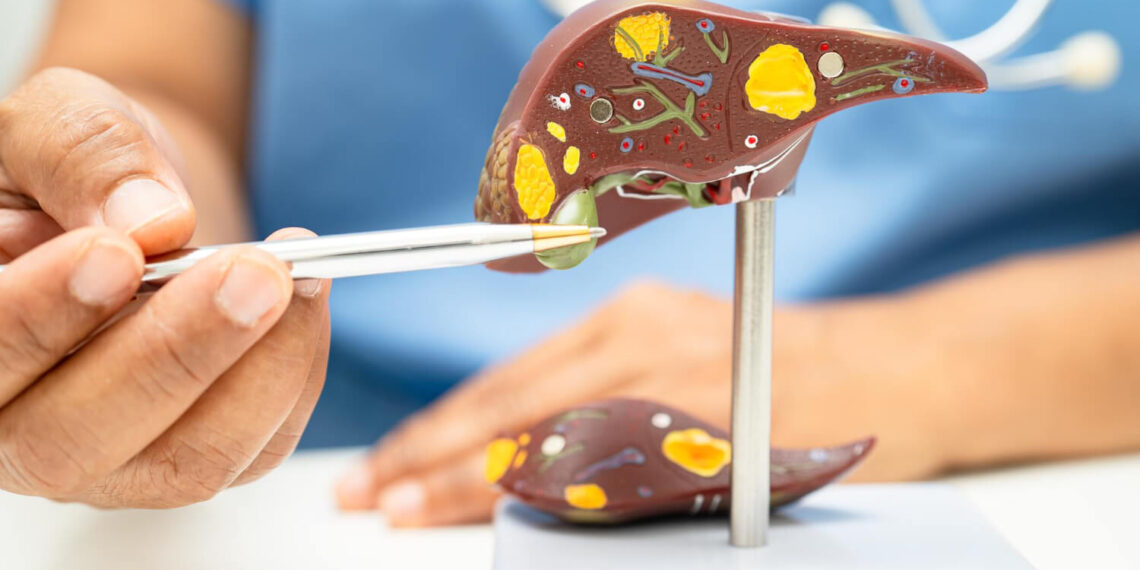
9 Fatty Liver Symptoms to Watch For
1. Persistent Fatigue
This is the most common and most overlooked symptom. The fatigue from fatty liver isn’t ordinary tiredness. It’s a deep, persistent exhaustion that doesn’t improve with sleep. Even simple daily tasks feel draining. Why? When the liver is struggling, it can’t efficiently convert nutrients into energy or clear toxins from the blood. The result is a constant feeling of running on empty.
2. Discomfort in the Upper Right Abdomen
The liver sits in the upper right side of the abdomen, just below the ribs. When it becomes enlarged or inflamed, there may be:
- A dull, aching pain
- A feeling of fullness or pressure
- General discomfort after eating
This isn’t sharp pain, it’s more like a nagging awareness that something isn’t right.
3. Unexplained Weight Changes
Both weight gain and unexpected weight loss can signal fatty liver symptoms. Weight gain especially around the belly often accompanies fatty liver because both are linked to insulin resistance and metabolic dysfunction. On the flip side, advanced liver disease can cause unintentional weight loss as the body struggles to process nutrients properly.
4. Bloating and Digestive Issues
The liver plays a critical role in digestion, producing bile that helps break down fats. When liver function declines, digestive problems often follow:
- Bloating after meals
- Nausea
- Loss of appetite
- Feeling uncomfortably full quickly
These symptoms are easy to blame on diet or stress but when they persist, the liver could be involved.
5. Brain Fog and Difficulty Concentrating
Struggling to think clearly? Forgetting things more often? When the liver can’t filter toxins effectively, those toxins can affect brain function. This is sometimes called “hepatic encephalopathy” in severe cases, but even mild liver dysfunction can cause:
- Mental cloudiness
- Trouble focusing
- Memory lapses
- Slower thinking
6. Yellowing of Skin or Eyes (Jaundice)
Jaundice is a more advanced warning sign. It occurs when bilirubin — a yellow compound produced during the breakdown of red blood cells — builds up because the liver can’t process it properly. Signs include:
- Yellowing of the whites of the eyes
- Yellow-tinted skin
- Dark urine
- Pale-colored stools
7. Brittle Nails and Hair Loss
Iron plays a role in tissue health. When levels drop, non-essential tissues, like hair and nails, suffer first. Nails may become brittle, crack easily, or develop a spoon-like shape (called koilonychia). Hair may thin, become dry, or fall out more than usual. These changes happen gradually, making them easy to overlook.
7. Itchy Skin
Persistent, unexplained itching especially without a visible rash can be a fatty liver symptom.
Bile salts that the liver normally processes can accumulate in the skin when liver function is impaired, causing irritation and itchiness that doesn’t respond to typical treatments.
8. Easy Bruising or Bleeding
The liver produces proteins essential for blood clotting. When liver function declines, clotting becomes less efficient. This may show up as:
- Bruising easily from minor bumps
- Cuts that take longer to stop bleeding
- Frequent nosebleeds
9. Swelling in Legs or Abdomen
In more advanced stages, fatty liver can lead to fluid retention, causing:
- Swollen ankles and legs (edema)
- A swollen, distended abdomen (ascites)
This happens when the liver can no longer produce enough albumin — a protein that keeps fluid in the bloodstream rather than leaking into tissues.
How Fatty Liver Is Diagnosed
Since fatty liver symptoms are often subtle, diagnosis usually involves:
- Blood tests: Elevated liver enzymes (ALT, AST) can indicate liver inflammation
- Ultrasound: Can detect fat accumulation in the liver
- FibroScan: Measures liver stiffness to assess scarring
- CT or MRI: Provides detailed imaging
- Liver biopsy: Definitive diagnosis, but usually reserved for advanced cases
Can Fatty Liver Be Reversed?
Yes, especially in the early stages. The liver has remarkable regenerative ability. With the right lifestyle changes, fat can be reduced and inflammation reversed before permanent scarring occurs.
What helps:
- Weight loss: Losing 5-10% of body weight significantly reduces liver fat
- Exercise: At least 150 minutes of moderate activity per week
- Diet changes: Reduce sugar, refined carbs, and processed foods; emphasize whole foods, vegetables, lean proteins
- Limit alcohol: Even for non-alcoholic fatty liver, alcohol adds stress to the liver
- Manage underlying conditions: Control diabetes, cholesterol, and blood pressure
There’s currently no FDA-approved medication specifically for fatty liver, though several are in development. Lifestyle modification remains the primary treatment.
When to See a Doctor
Don’t wait for obvious fatty liver symptoms to appear. Consider getting checked if:
- Routine blood tests show elevated liver enzymes
- There’s persistent fatigue without clear cause
- Abdominal discomfort or bloating won’t go away
- Risk factors like obesity, diabetes, or metabolic syndrome are present
- There’s a family history of liver disease
The Bottom Line
Fatty liver symptoms are easy to miss and that’s exactly what makes this condition so dangerous. The liver suffers silently until the damage becomes hard to ignore. But it doesn’t have to get that far. Awareness of the warning signs, combined with simple lifestyle changes, can protect liver health and prevent progression to serious disease. The liver does so much without asking for anything in return. Paying attention when it finally sends signals is the least anyone can do.
When to See Doctor
Mild iron deficiency often responds well to dietary changes and supplements. But some situations require medical attention:
- Symptoms are severe or worsening rapidly
- Fatigue persists despite adequate iron intake
- There’s unexplained blood loss (in stool, urine, or heavy periods)
- Digestive symptoms accompany the deficiency
Sudden or unexplained iron deficiency in adults, especially men or postmenopausal women, can sometimes signal internal bleeding or other conditions that need evaluation.
The Bottom Line
The Bottom Line
The signs of iron deficiency are easy to miss. Fatigue gets blamed on busy lives. Pale skin goes unnoticed. Cold hands seem like no big deal. But when multiple symptoms cluster together, the body is sending a message. Iron deficiency is common, but it’s also highly treatable. A simple blood test, some dietary adjustments, or a supplement can make a dramatic difference in energy, focus, and overall well-being.
Don’t ignore the signs. The fix might be simpler than expected.
Disclaimer: This article is for informational purposes only and does not constitute medical advice. If you suspect liver problems, consult a healthcare professional for proper diagnosis and treatment.