

High blood sugar can damage your body for years before you notice anything is wrong. That’s the part most people don’t realize. While severe hyperglycemia produces dramatic symptoms, moderately elevated blood sugar often produces nothing at all in the early stages. By the time symptoms become obvious, blood vessels and organs have often already taken damage. Recognizing the symptoms of high blood sugar matters more than people think.
How Common This Actually Is
In the US alone, roughly 38 million adults have diabetes. Another 96 million have prediabetes. Many don’t know. According to a May 2026 Medical News Today review, many people experience no noticeable symptoms for years, which is why regular blood sugar monitoring is essential for anyone at risk. The 2026 numbers in the UK, Canada, and Australia tell similar stories.
What Hyperglycemia Actually Is
Hyperglycemia (high blood sugar) occurs when there’s too much glucose in your blood. The body either lacks enough insulin or can’t use it effectively. For a person with diabetes, hyperglycemia is generally considered a blood glucose reading greater than 180 mg/dL one to two hours after eating. Fasting glucose above 125 mg/dL meets criteria for diabetes.
Why Blood Sugar Rises
Several factors can push blood sugar too high. For people with diabetes, common triggers include missing medication, eating too many carbs, or being less active than usual. For people without diabetes, hyperglycemia can result from illness or infection, certain medications (steroids, some antipsychotics, statins, beta-blockers), chronic stress, hormonal conditions, or pregnancy.
The Dawn Phenomenon Most People Haven't Heard Of
Many people experience high morning blood sugar even when they ate nothing overnight. This is called the dawn phenomenon. Between roughly 3 AM and 8 AM, hormones like cortisol, growth hormone, and glucagon naturally rise. This signals the liver to release stored glucose. For people with insulin resistance or diabetes, this morning rise becomes problematic.
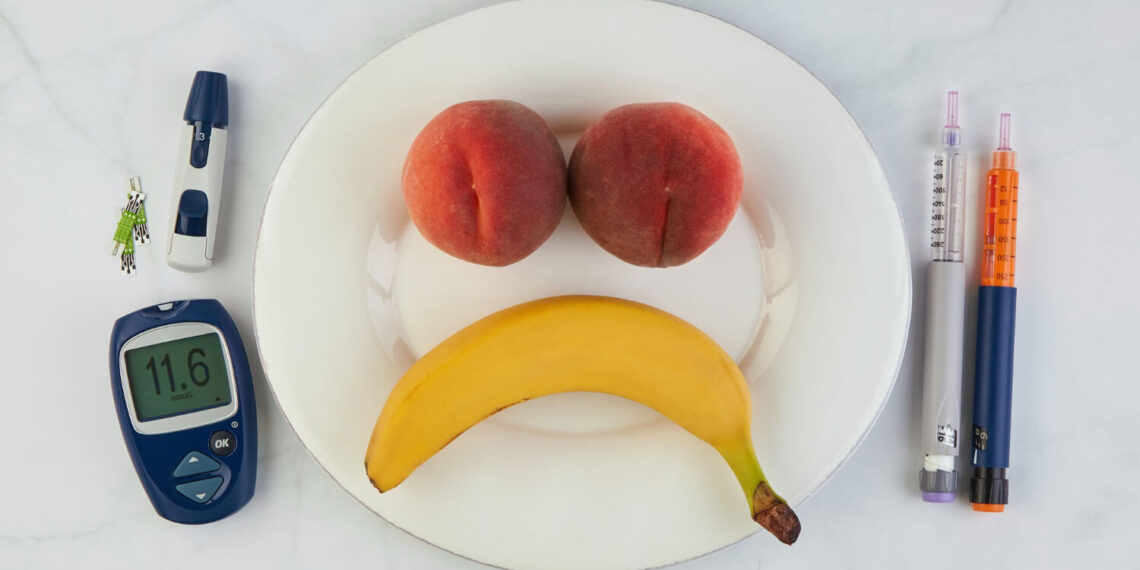
12 Symptoms of High Blood Sugar to Know
1. Excessive Thirst
This is one of the earliest and most common warning signs. Feeling parched regardless of how much you drink. The medical term is polydipsia. When blood glucose rises, your body pulls water from cells to dilute the sugar in your bloodstream. This leaves cells dehydrated, triggering intense thirst.
2. Frequent Urination
Your kidneys work overtime to remove excess glucose from your blood. The result is frequent urination, especially at night. Waking up multiple times to use the bathroom is a classic warning sign. The medical term is polyuria. This often appears alongside the excessive thirst, creating a cycle of drinking more and urinating more.
3. Persistent Fatigue
High blood sugar causes fatigue through multiple mechanisms. Cells can’t access glucose properly for energy.
The Cleveland Clinic notes this as one of the consistent warning signs. People describe feeling exhausted despite adequate sleep. Energy levels stay low throughout the day. Coffee helps less than it used to.
4. Blurred Vision
Excess sugar in the bloodstream affects the small blood vessels in your eyes and pulls fluid from the lenses. This causes the lenses to swell, changing how they focus light. Vision becomes blurry or fluctuates throughout the day. The good news is this is usually reversible once blood sugar stabilizes.
5. Slow-Healing Cuts and Wounds
High blood sugar damages blood vessels and impairs immune function. The result is that wounds take much longer to heal. Small cuts that should heal in days persist for weeks. Bruises take longer to fade. Foot wounds in people with diabetes become particularly concerning because of the risk of infection and ulcers.
6. Frequent Infections
Elevated glucose creates a more hospitable environment for bacteria, fungi, and yeast. The immune system also functions poorly with high blood sugar. Yeast infections, urinary tract infections, and skin infections all increase in frequency. Recurrent infections that don’t respond well to treatment are worth investigating with bloodwork.
7. Unexplained Weight Loss
This seems counterintuitive but it’s well-documented. When the body can’t use glucose for energy due to insulin issues, it breaks down muscle and fat instead. The result is unexplained weight loss, often rapid. This is more common with Type 1 diabetes but can occur with poorly controlled Type 2 diabetes as well. Losing weight without trying warrants medical evaluation.
8. Increased Hunger
Despite eating normally or even more than usual, intense hunger persists. The medical term is polyphagia. Cells aren’t getting the energy they need from glucose. The brain interprets this as starvation and triggers hunger signals. This creates a frustrating cycle where eating more doesn’t satisfy the underlying problem.
9. Brain Fog and Cognitive Issues
The brain relies heavily on steady glucose supply. Both too little and too much glucose impair cognitive function. People with hyperglycemia report difficulty concentrating, memory issues, and slower thinking. In more severe cases, confusion or feeling disconnected from their surroundings. The 2026 Federa.org review specifically noted these cognitive disruptions.
10. Headaches
Persistent headaches can indicate high blood sugar levels. The combination of dehydration, electrolyte imbalances, and circulation changes contributes. Headaches from hyperglycemia tend to be different from typical tension headaches. They often appear alongside other symptoms on this list, which is the diagnostic clue.
11. Skin Changes
Dark patches of skin, particularly around the neck, armpits, and groin folds, can indicate insulin resistance. This condition is called acanthosis nigricans. It’s one of the more visible warning signs that elevated blood sugar may be developing. Dry, itchy skin is also common with chronic
hyperglycemia.
12. Tingling or Numbness in Hands and Feet
High blood sugar damages small nerves over time. This causes peripheral neuropathy, which often appears first in the hands and feet. Symptoms include tingling, numbness, burning sensations, or “pins and needles” feelings. This is one of the more serious warning signs because it suggests significant blood sugar elevation over time.
When Symptoms Become Emergencies
Severe hyperglycemia can progress to diabetic ketoacidosis (DKA), which is life-threatening. Warning signs of DKA include nausea, vomiting, abdominal pain, fruity-smelling breath, rapid breathing, confusion, and extreme thirst. Anyone experiencing these symptoms alongside known high blood sugar should seek emergency care immediately.
High Blood Sugar in Women
Women with chronic hyperglycemia often experience frequent yeast infections or UTIs. High sugar levels in urine create a breeding ground for bacteria and fungi. Hormonal shifts during menstruation, pregnancy, or perimenopause can amplify symptoms. Fatigue and irritability are often heightened during these periods.
High Blood Sugar in Men
Men with elevated blood sugar may experience symptoms that get attributed to “just getting older.” The most underreported is erectile dysfunction. High glucose damages small blood vessels and nerves responsible for blood flow. Men may also notice loss of muscle mass and increased abdominal fat even without diet changes.
Symptoms in Children to Watch For
Children, especially those developing Type 1 diabetes, can become ill very quickly. Warning signs include increased thirst and urination, frequent bedwetting in previously toilet
trained children, unexplained weight loss despite normal eating, irritability or behavior changes, and unusual fatigue. These symptoms warrant prompt medical evaluation.
When to See a Doctor
If you experience several symptoms above, getting a fasting glucose test is one of the simpler and more useful health investments. In the US, a basic glucose panel costs $20 to $50 if paid out of pocket, and is typically covered by insurance. Most primary care doctors will order one if you ask.
What Tests Typically Get Ordered
The standard workup for suspected hyperglycemia includes a few key tests. Fasting glucose level. Hemoglobin A1C (shows average blood sugar over 2-3 months). Oral glucose tolerance test if results are borderline. Urine testing for ketones in suspected DKA. These tests together provide a clear picture.
How to Lower Blood Sugar Safely
For mild to moderate hyperglycemia, several strategies can help bring levels back down. Drink water (high blood sugar causes dehydration). Take a walk (moderate exercise helps
muscles use glucose). Check medications if you have diabetes. Avoid adding more carbohydrates. Get quality sleep, which affects insulin sensitivity significantly.
What Doesn't Work Long-Term
Crash diets and “sugar detoxes” may temporarily lower blood sugar but don’t address root causes. Dr. Reddy at Unity Point Health notes these approaches fail because they ignore underlying issues like cravings, emotional eating, and metabolic dysfunction. Sustainable change requires addressing food relationships, not just eliminating sugar briefly.
The Bottom Line
The symptoms of high blood sugar are easy to dismiss because they overlap with so many other conditions. Fatigue, thirst, frequent urination, blurred vision, slow wound healing. The dangerous part is that hyperglycemia damages blood vessels, nerves, and organs even when symptoms feel mild. Catching it early through testing matters more than waiting for severe symptoms to appear. For anyone with metabolic risk factors (obesity, family history, sedentary lifestyle, PCOS, gestational diabetes history), proactive blood sugar testing makes sense even without symptoms.
Related Articles
- Signs of Low Blood Sugar: The opposite condition with very different warning signs to
recognize - Fatty Liver Disease Symptoms: Insulin resistance drives both conditions simultaneously
- How to Lose Belly Fat: Visceral fat is strongly linked to insulin resistance and blood sugar
problems
Disclaimer: This article is for informational purposes only and does not constitute medical advice. If you suspect hyperglycemia or have multiple symptoms above, consult a healthcare provider for proper testing. Severe symptoms with vomiting or breathing difficulty require immediate emergency care.