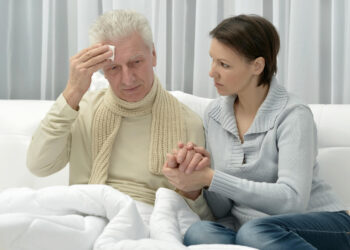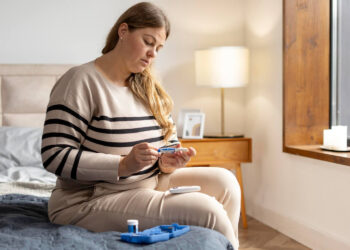
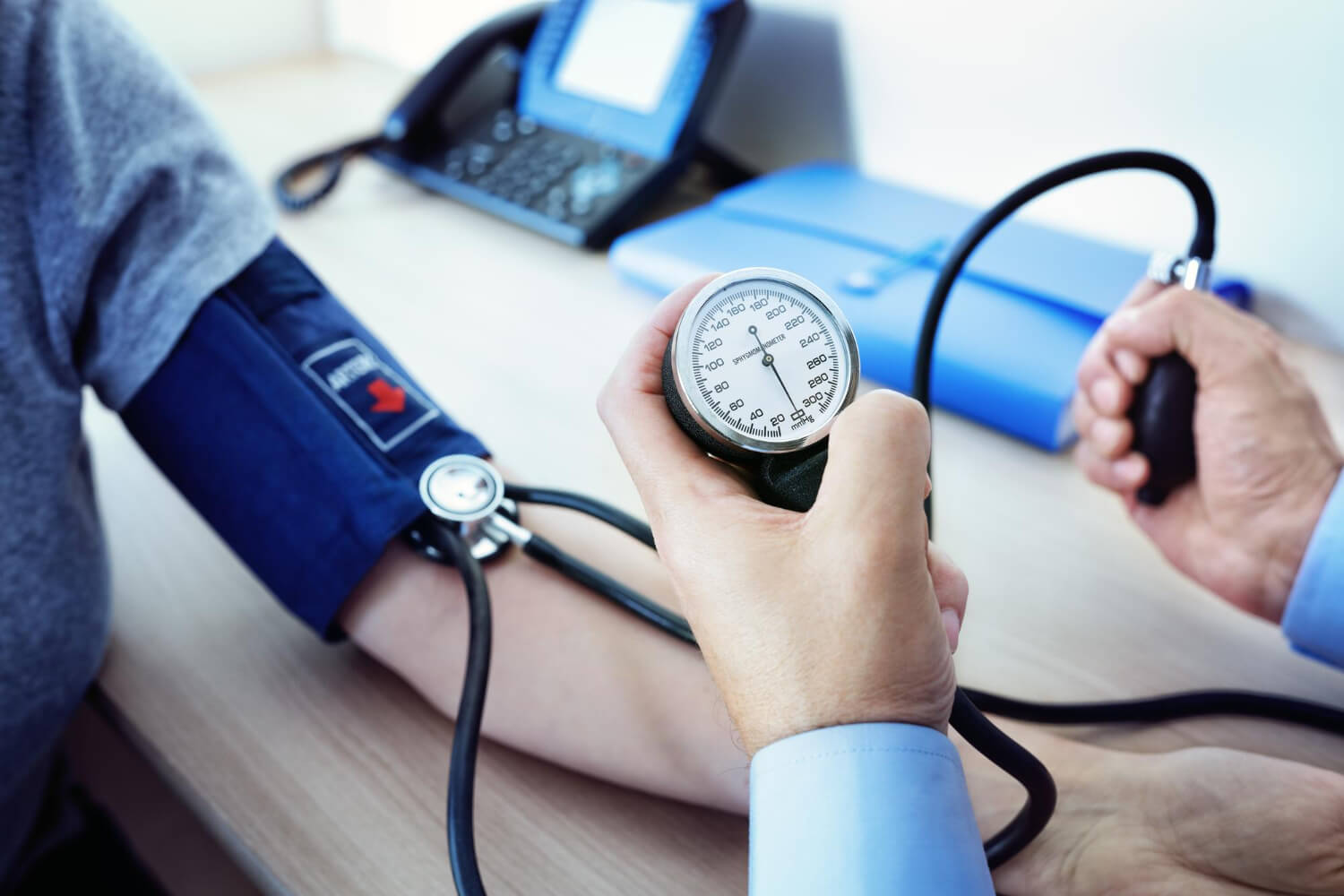
There’s a reason doctors call hypertension the silent killer. It rarely announces itself. You can have dangerously elevated blood pressure symptoms for a decade and feel perfectly fine, playing with your kids, hitting the gym, going about your day, while your arteries quietly stiffen and your kidneys take a beating. By the time obvious symptoms show up, the damage is often already done. The numbers are sobering. The World Health Organization estimates that 1.28 billion adults worldwide live with hypertension, and roughly 46% of them don’t know they have it. In South Asia, that figure climbs even higher, a 2023 study published in The Lancet found that nearly 60% of hypertensive adults in Pakistan, India, and Bangladesh remain undiagnosed. And in the United States, where awareness campaigns have run for decades, almost half of all adults still meet criteria for high blood pressure symptoms. So why doesn’t it hurt? And when symptoms do appear, what should you actually look for?
Why hypertension is so quiet
Blood pressure measures the force your blood exerts against artery walls. The top number, systolic, captures the pressure when your heart contracts. The bottom number, diastolic, reflects the pressure between beats. Anything below 120/80 mm Hg is considered normal. Stage 1 hypertension begins at 130/80. Stage 2 starts at 140/90. And readings above 180/120 cross into what cardiologists call a hypertensive crisis, that’s the territory where the body finally protests, often loudly. Here’s the strange part. Most people with stage 1 or even stage 2 hypertension feel completely normal. The body is remarkably good at adapting. Arteries thicken to handle the extra force. The heart muscle bulks up. Everything keeps running, just at a higher cost. That’s why screening matters more than waiting for high blood pressure symptoms to appear. But when warning signs do emerge, they’re worth knowing.
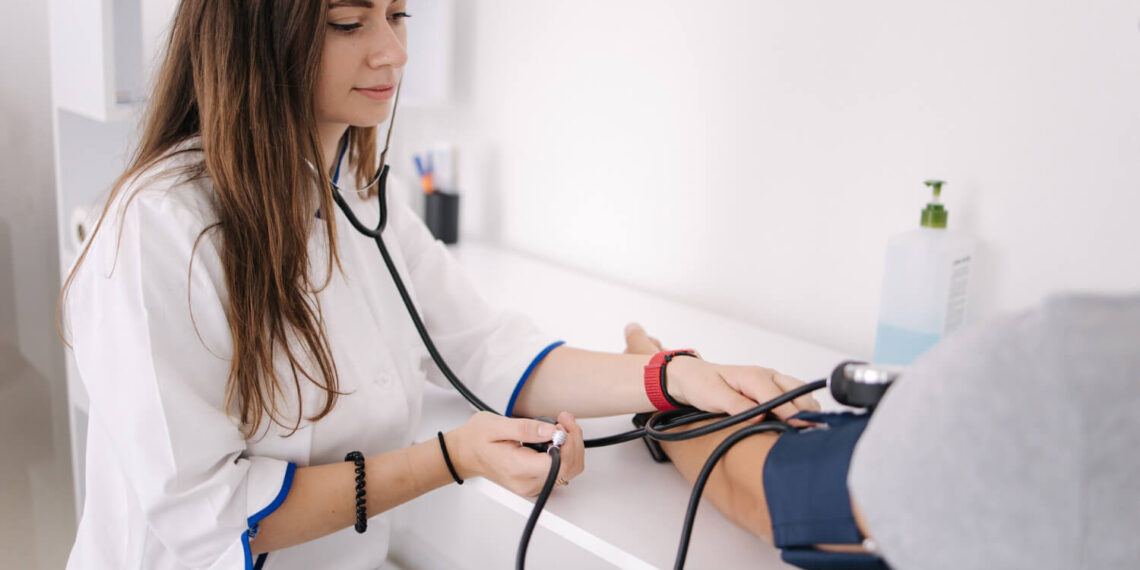
10 High Blood Pressure Symptoms
1. Severe Headaches
Most everyday headaches have nothing to do with your blood pressure. Tension, dehydration, screen fatigue, caffeine withdrawal, these are far more common culprits. But a particular kind of headache can signal trouble: a pounding, persistent ache, often at the back of the head, especially in the early morning. People sometimes describe it as a “throbbing helmet” sensation.
When this kind of headache appears alongside other warning signs, blood pressure symptoms should be checked promptly. Mayo Clinic researchers note that severe hypertension-related headaches typically only emerge when systolic readings climb above 180.
2. Vision Changes
Your retinas are essentially small windows into your circulatory system, which is why ophthalmologists sometimes spot hypertension before primary care doctors do. Blurred vision, sudden double vision, or dark spots in your field of view can indicate that hypertensive damage
has reached the delicate vessels behind the eye. In serious cases, what’s called hypertensive retinopathy, vessels can leak or burst. This is one of the warning signs that should never wait for a regular checkup. Sudden vision changes warrant a same-day call to a doctor.
3. Dizziness and Lightheadedness
This one is tricky. Dizziness can mean a hundred things, inner ear issues, low blood sugar, dehydration, or simply standing up too fast. But when it’s paired with other warning signs, particularly headache or chest discomfort, it deserves attention. Confusingly, dizziness is also a common side effect of blood pressure medications when readings drop too low. So context matters enormously here.
4. Shortness of Breath
When the heart works against elevated pressure year after year, it eventually struggles. The left ventricle thickens and becomes less efficient. Fluid can back up into the lungs. Suddenly, climbing a single flight of stairs feels harder than it used to. If activities you used to handle with ease are now leaving you winded, your heart may be telling you something. Shortness of breath at rest, or while lying flat, is a more urgent warning and warrants immediate evaluation.
5. Chest Pain or Discomfort
Chest pain is never a symptom to dismiss. With high blood pressure, the heart muscle can outgrow its blood supply, leading to angina, a tight, squeezing, or burning sensation in the chest, sometimes radiating to the arm or jaw. It’s one of those warning signs that overlaps directly with heart attack symptoms. Don’t try to diagnose this yourself. If chest discomfort is new, severe, or accompanied by sweating or nausea, treat it as an emergency.
6. Nosebleeds
Most nosebleeds are perfectly innocent, dry winter air, a vigorous nose-blow, or a child’s curious finger. But frequent, hard-to-stop nosebleeds in someone with poorly controlled
hypertension can signal that capillaries are giving way under pressure. The American Heart Association is careful to point out that nosebleeds alone don’t reliably indicate hypertension. Still, when they recur or arrive in clusters, they’re worth investigating alongside actual blood pressure symptoms readings.
7. Facial Flushing
A red face has many explanations. Spicy food, embarrassment, hot weather, alcohol, exercise, all can trigger it. So can rosacea or hormonal shifts. Hypertension can occasionally play a role, particularly during sudden pressure spikes, but on its own, flushing isn’t a useful diagnostic clue. It’s only meaningful when it appears alongside other red flags.
8. Blood Spots in the Eyes
You’ve probably seen them, those bright red patches that appear in the white of someone’s eye, sometimes after coughing or sneezing forcefully. They look dramatic but are usually harmless. Recurring subconjunctival hemorrhages, however, can occasionally signal vessel fragility from
chronic hypertension. The connection isn’t strong enough to use as a primary screening tool, but it’s worth mentioning to a doctor if these episodes keep happening.
9. A Pounding Sensation
This is hard to describe until you’ve felt it. Some people with elevated blood pressure symptoms become acutely aware of their heartbeat, a thumping in the ears at night, a visible pulse in the neck, or a sense that the chest is keeping time with each beat. Cardiologists call this pulsatile awareness. Like several other warning signs, it’s not exclusive to hypertension, anxiety, caffeine, and pregnancy can all produce the same sensation. But if it’s new and persistent, take a reading.
10. Confusion or Trouble Concentrating
Long-term hypertension is one of the leading risk factors for vascular dementia. The mechanism is straightforward: high pressure damages the small blood vessels feeding the brain, gradually starving regions of oxygen. Sudden confusion, especially when paired with severe headache or vision changes, can signal a hypertensive emergency or even a stroke. Slow, creeping cognitive decline over years tells a different but equally serious story. Either way, it’s a sign that
hypertension has been working in the background longer than anyone realized.
When to treat it as an Emergency
Once blood pressure exceeds 180/120, it crosses into hypertensive crisis territory. At those numbers, the warning signs become less subtle: severe headache, breathlessness, chest pain, blurred vision, severe anxiety, confusion, or seizures. Strokes, heart attacks, kidney failure, and aortic dissection can all unfold within hours. If you ever see those numbers on a home monitor, confirmed across two readings five minutes apart, go to an emergency room. Don’t wait. Don’t drive yourself if symptoms are present. This is what hypertensive crises do: they look like nothing, then everything happens at once.
Why you can't wait for symptoms
The uncomfortable truth about high blood pressure symptoms is that, for most people, they simply never come. Or they arrive only after years of damage have accumulated. Hypertension is a problem you have to actively look for. Most adults should have their blood pressure measured at least every two years starting at age 18, more frequently if there are risk factors. Home monitors have become genuinely good and surprisingly affordable, solid digital cuffs cost between $30 and $80 in most markets. A few readings spread across different days and times paint a far more accurate picture than a single rushed measurement during a doctor’s visit.
In Pakistan, where hypertension affects roughly 1 in 3 adults according to the National Health Survey, regular community pharmacy checks have become a popular alternative to formal clinic visits. Whatever the access point, the principle is the same: measure it, because your body won’t tell you on its own.
Who's most at risk
Genetics matter, having a parent or sibling with hypertension roughly doubles your own risk. Age matters too, as arteries naturally stiffen over time. South Asians, Black populations, and people of Caribbean descent face elevated risk and often develop hypertension earlier in life. So do people who carry excess weight, smoke, drink heavily, eat high-sodium diets, or live with chronic stress. Diabetes, kidney disease, and obstructive sleep apnea add another layer. None of this is destiny. But it shapes how often you should be checking, and how aggressively you should consider lifestyle changes.
Managing it well
The most effective interventions are stubbornly unglamorous. Cutting sodium intake, most adults consume well over twice the recommended amount. Adopting a DASH-style or Mediterranean eating pattern. Walking thirty minutes most days. Losing 5–10% of body weight if overweight. Limiting alcohol to no more than one drink daily for women, two for men. Quitting smoking. Sleeping well. Managing stress with whatever tools genuinely work for you. When lifestyle isn’t enough, and for many people it isn’t, modern hypertension medications are remarkably safe and effective. ACE inhibitors, ARBs, calcium channel blockers, diuretics, beta blockers. Most people end up on one or two pills, often inexpensively. Treatment is typically lifelong, but it’s also genuinely transformative
The bottom line
The frustrating thing about high blood pressure symptoms is that you can’t rely on them. The condition damages your body for years before it ever raises a hand to be noticed. So know the warning signs, severe headaches, vision changes, dizziness, breathlessness, chest pain, recurring nosebleeds, flushing, eye hemorrhages, pulsatile awareness, and confusion, but don’t wait for them. Check your numbers regularly. Treat what you find. The cost of doing so is
small. The cost of not doing so is enormous. Hypertension is one of the most preventable causes of premature death in the world. The medicine works. The lifestyle changes work. Almost all of it depends on knowing the problem exists.
Disclaimer: This article is for informational purposes only and does not constitute medical advice. If you experience symptoms of a hypertensive emergency, seek immediate medical care.