

Fatty liver disease has a quiet problem. It affects roughly 1 in 3 adults globally, including about 100 million Americans, according to the American Liver Foundation. Yet most people who have it don’t know. The reason is simple. Fatty liver disease symptoms often don’t appear at all in early stages. By the time symptoms become obvious, real liver damage has often already occurred.
The name just changed
In 2023, the medical community renamed nonalcoholic fatty liver disease (NAFLD) to metabolic dysfunction-associated steatotic liver disease (MASLD). The change wasn’t just bureaucratic. The new name removes the stigmatizing “fatty” terminology and better reflects what actually drives the condition. Insulin resistance, metabolic syndrome, and dysfunction beyond just dietary fat.
Why the renaming matters
The shift from NAFLD to MASLD reflects how doctors now think about this disease. It’s not just about liver fat. It’s about a broader metabolic problem that has the liver as one visible expression. Type 2 diabetes, obesity, high blood pressure, and high cholesterol all increase risk simultaneously.
What fatty liver disease actually is
The liver normally contains small amounts of fat. When fat exceeds 5 to 10% of the liver’s weight, it becomes a fatty liver (steatosis). For most people, this fat sits there without causing damage. But in some cases, it triggers inflammation. That inflammation is called MASH (metabolic dysfunction-associated steatohepatitis), and it’s where things get serious.
The two stages you need to know
MASLD is the early, less serious stage. Just fat accumulation without inflammation. MASH is the dangerous stage. Fat plus inflammation plus liver cell damage. MASH can lead to scarring (fibrosis), cirrhosis, liver cancer, and eventually liver failure.
What 2026 research reveals
A March 2026 Merck Manual update confirmed that fatty liver disease is now the most common form of liver disease in children, having more than doubled over the past 20 years. According to NCBI’s August 2025 review, MASLD affects more than 30% of the global population. The leading cause of death in this population isn’t liver failure. It’s cardiovascular disease, because the metabolic dysfunction affects the heart simultaneously.
Who's at highest risk
The risk factors form a predictable pattern. They all relate to metabolic dysfunction. Type 2 diabetes (the strongest risk factor). Obesity, particularly with belly fat. High blood pressure. High cholesterol or triglycerides. Insulin resistance even without diabetes. Polycystic ovary syndrome (PCOS).
Risk factors that surprise people
Some risk factors are less obvious. Worth knowing about. Rapid weight loss (paradoxically). Certain medications like corticosteroids and tamoxifen. Family history of liver disease. Sleep apnea. Hypothyroidism. Genetic variants like PNPLA3 increase susceptibility significantly.
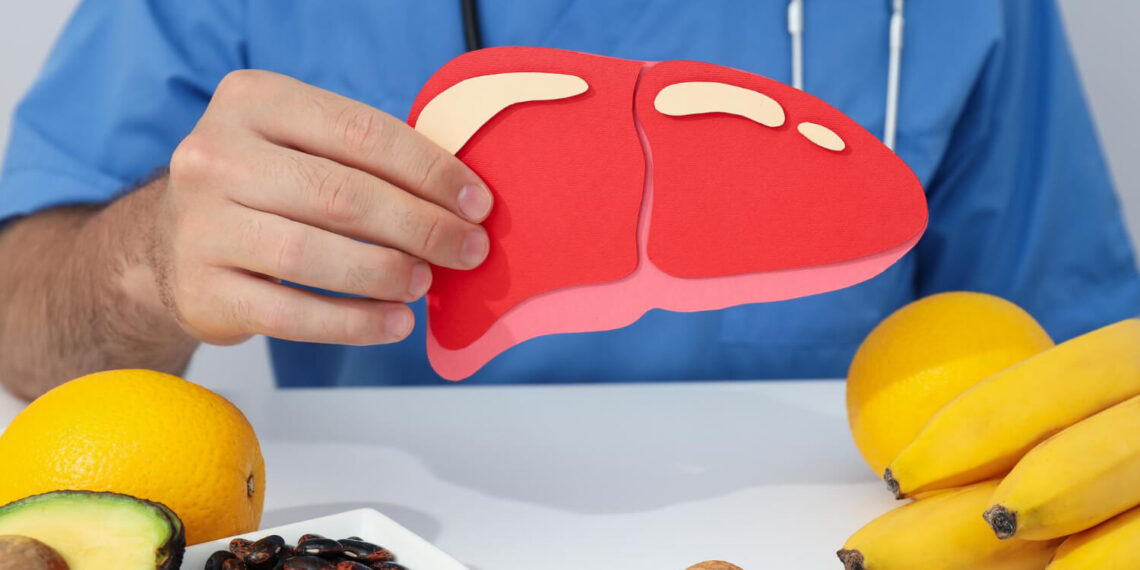
12 Fatty Liver Disease Symptoms to Know
1. Persistent Fatigue
This is the most common symptom across nearly all sources. Tiredness that doesn’t lift even after rest. The fatigue tends to feel different from ordinary tiredness. It’s more of a heavy, dragging quality. People describe feeling worn down despite adequate sleep. This can develop years before any other indicators.
2. Discomfort in the Upper Right Abdomen
Many people experience a dull ache or feeling of fullness on the upper right side of the abdomen, where the liver sits. According to the British Liver Trust, this is one of the most specific fatty liver disease symptoms. The discomfort comes from liver enlargement stretching the surrounding capsule.
3. Generalized Weakness
A feeling of lethargy or having no energy, even for normal daily activities. This goes beyond simple tiredness. People report struggling with tasks they previously handled easily. Climbing stairs feels harder. Carrying groceries becomes a challenge. Energy levels feel persistently low.
4. Unexplained Weight Loss
Surprisingly, weight loss can be a symptom of advanced fatty liver disease, particularly when MASH has progressed. The liver’s role in metabolism gets disrupted as damage increases. Some people start losing weight without trying, often alongside loss of appetite. This is typically a sign the disease has progressed beyond early stages.
5. Loss of Appetite
Reduced interest in food becomes noticeable. Meals that were previously enjoyable lose their appeal. This often appears alongside the upper abdominal discomfort. Eating may bring on more discomfort, creating a cycle of avoidance.
6. Nausea
Recurring nausea, sometimes mild, sometimes more pronounced. Often worse after eating fatty meals. The liver helps digest fats through bile production. When liver function is impaired, fat digestion becomes harder, leading to nausea after heavier meals.
7. Yellow Eyes or Skin (Jaundice)
This is a more advanced warning sign. When the liver can’t process bilirubin properly, it builds up in tissues. The whites of the eyes turn yellow first. Skin may follow. This appearing means the disease has progressed significantly and warrants immediate medical evaluation.
8. Swollen Abdomen
Ascites is fluid buildup in the abdomen, indicating advanced liver disease. The abdomen visibly distends. Clothes feel tighter around the waist even without weight gain. This is one of the more serious fatty liver disease symptoms and signals cirrhosis may be developing.
9. Swelling in Legs and Ankles
Peripheral edema (fluid retention in lower extremities) appears as the liver loses its ability to produce albumin properly. Shoes feel tight by the end of the day. Socks leave deep indentations. Ankles look puffier than normal. This typically appears in advanced disease stages.
10. Easy Bruising or Bleeding
When liver function declines significantly, blood clotting becomes affected. The liver produces many clotting factors. People notice bruises forming from minor bumps. Cuts bleed longer than expected. Nosebleeds become more frequent. This is another sign of advanced disease.
11. Mental Confusion or Brain Fog
Hepatic encephalopathy occurs when toxins normally filtered by the liver build up and affect brain function. Symptoms include difficulty concentrating, memory issues, confusion, and personality changes. In severe cases, drowsiness and disorientation. This requires immediate medical attention.
12. Itchy Skin
Persistent itching, often without rash or visible skin changes. Worse at night. Bile salts accumulating in tissues cause the itching. It can affect the entire body or be localized. The British Liver Trust lists this as a warning sign of more advanced disease.
Why Early Detection Matters So Much
Fatty liver disease is reversible in its early stages. According to multiple research sources, healthy lifestyle changes can reduce liver fat and in some cases completely reverse MASLD. The window for full reversal closes as the disease progresses. Once significant scarring (fibrosis) develops, reversal becomes much harder. Once cirrhosis develops, damage is largely permanent.
How Fatty Liver Disease Gets Diagnosed
Most diagnoses happen accidentally. Routine blood work shows elevated liver enzymes (ALT, AST), and follow-up testing reveals the underlying problem. Common diagnostic tools include liver function blood tests, ultrasound or FibroScan imaging, MRI or MRE for more detailed assessment, and liver biopsy in some cases. The combination of metabolic risk factors plus imaging findings usually confirms diagnosis.
What Doctors Look for in Blood Work
Elevated liver enzymes (ALT, AST) are the most common signal. A ratio matters too.
In fatty liver disease, ALT is typically higher than AST. Other markers like elevated triglycerides, low HDL cholesterol, and elevated fasting glucose all support the diagnosis. Iron studies and viral hepatitis tests rule out other causes.
Treatment That Actually Works
There’s no medication that cures fatty liver disease in most cases. The exception is resmetirom, which the FDA approved in 2024 specifically for MASH with fibrosis. For most people, treatment focuses on the underlying metabolic problems. Weight loss of 5 to 10% can significantly reduce liver fat. Larger losses (10 to 15%) can reverse early-stage disease entirely.
Lifestyle Changes That Reverse the Disease
The evidence-based approach combines several strategies. Mediterranean-style eating pattern. Regular physical activity (both aerobic and resistance training). Eliminating sugary drinks. Limiting refined carbs. Avoiding alcohol completely if MASLD is present. Managing diabetes and cholesterol aggressively. These combined produce measurable liver fat reduction within months.
When to See a Doctor
If you have multiple risk factors (diabetes, obesity, high cholesterol, family history), proactive testing makes sense even without symptoms. For people experiencing any of the more concerning fatty liver disease symptoms (jaundice, swollen abdomen, confusion, easy bleeding), immediate medical evaluation is essential. Advanced disease requires specialist care.
The Bottom Line
Fatty liver disease is one of the most common conditions you’ve probably never been screened for. With roughly 1 in 3 adults affected globally, the odds of having it are higher than most people realize. The reassuring part is that early-stage disease is reversible through lifestyle changes. The challenge is that symptoms often don’t appear until significant damage has occurred. For anyone with metabolic risk factors, asking your doctor for liver function tests is one of the more worthwhile health investments. Catching this early changes the entire trajectory.
Related Articles
- How to Lose Belly Fat: Visceral fat is strongly linked to fatty liver disease and metabolic dysfunction
- Anti-Inflammatory Diet: Mediterranean-style eating that reverses early fatty liver disease
- Signs of Low Blood Sugar: The metabolic conditions driving fatty liver often involve blood sugar issues
Sources
- Mayo Clinic
- Harvard Health
- Cleveland Clinic
- American Liver Foundation – MASLD/NAFLD Overview (2026 update)
- Merck Manual Professional Edition – MASLD (March 2026)
- British Liver Trust – MASLD, NAFLD and Fatty Liver Disease
- Johns Hopkins Medicine – Nonalcoholic Fatty Liver Disease (Feb 2026)
- StatPearls / NCBI Bookshelf – MASLD Review (August 2025)
Disclaimer: This article is for informational purposes only and does not constitute medical advice. Anyone with risk factors or symptoms should consult a healthcare provider for proper testing and diagnosis.