
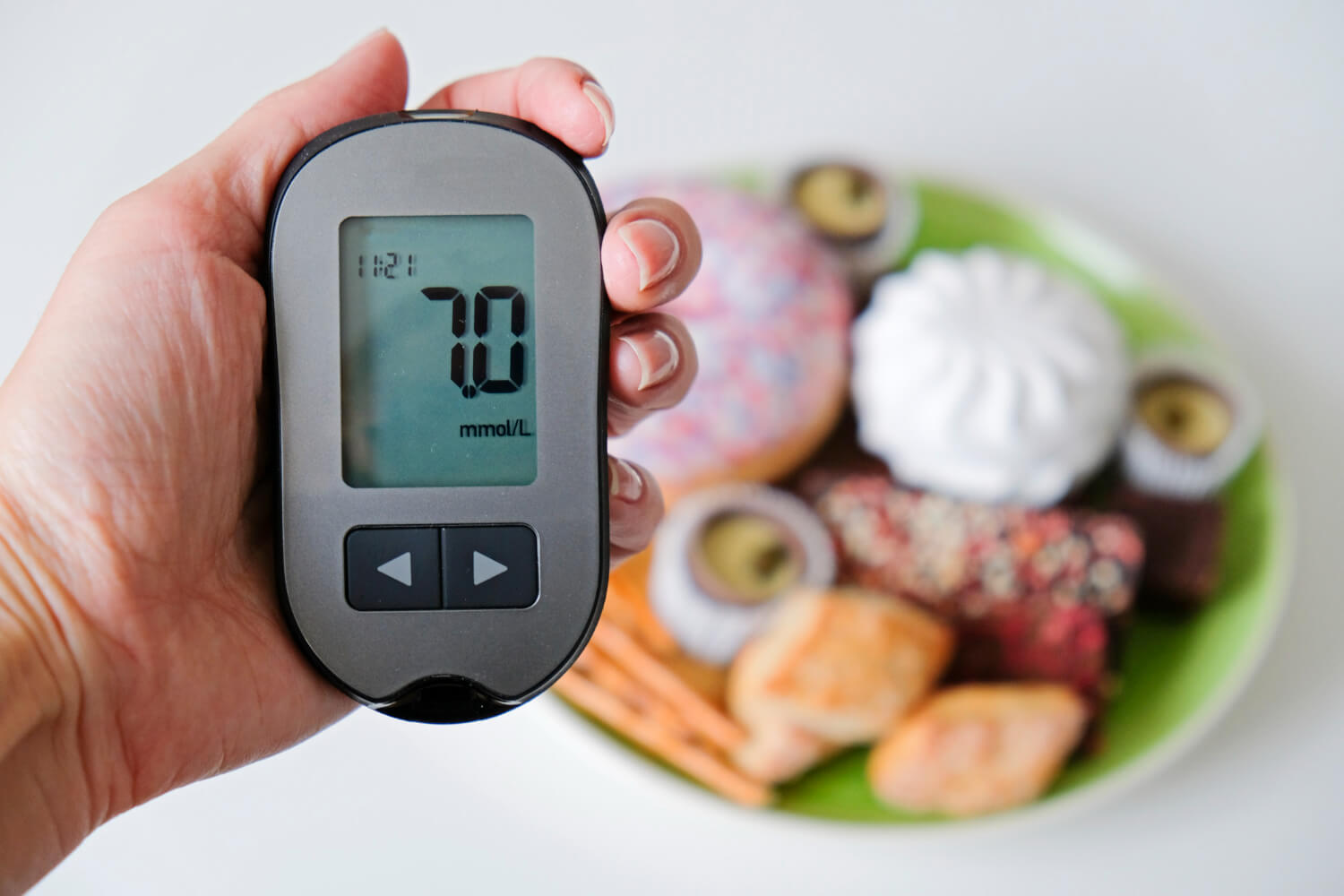
Low blood sugar is one of those conditions that can sneak up on you. One moment you’re fine. The next you’re sweating, shaky, and snapping at someone for no good reason. Most people associate it with diabetes, which makes sense because that’s where it gets dangerous fastest. But the signs of low blood sugar can affect anyone. Skipping meals, working out hard without eating, or having one too many drinks can all trigger it.
Why Recognizing These Signs Matters
Untreated hypoglycemia can escalate quickly. What starts as mild shakiness can become confusion, then loss of consciousness, then seizures within an hour. The American Diabetes Association notes that most people start experiencing symptoms when blood glucose falls below 70 mg/dL. Below 54 mg/dL, the situation becomes a medical emergency.
What Causes Blood Sugar to Drop
For people with diabetes, hypoglycemia usually comes from taking too much insulin, eating less than expected, or exercising more intensely than planned. For people without diabetes, the causes are different. Skipping meals for too long. Drinking alcohol on an empty stomach. Certain medications. Some hormone disorders. Rarely, tumors that affect insulin production.
The Two Categories of Symptoms
Hypoglycemia symptoms come in two waves. Understanding the difference helps you catch problems earlier. The first wave is adrenergic, caused by your body releasing stress hormones to push glucose levels back up. The second is neuroglycopenic, caused by your brain literally running out of fuel.
When Adrenergic Symptoms Hit First
These are your body’s early warning system. Stress hormones like adrenaline flood your system to mobilize stored glucose. This is why low blood sugar often feels like sudden anxiety or a panic response. Your body is trying to fix the problem before your brain notices anything is wrong.

12 Signs of Low Blood Sugar to Know
1. Shaking or Trembling
This is one of the earliest and most common warning signs. Your hands start trembling visibly. The mechanism involves adrenaline release as your body tries to push blood sugar back up. The shakiness usually starts in your hands but can spread throughout your body.
2. Sudden Sweating and Chills
Cold sweats appear without obvious cause. You might feel chilled while also dripping. This is another adrenaline-driven response. It often catches people off guard because it can happen in cool environments or while sitting still. Some describe it as breaking out in a cold panic sweat.
3. Extreme Hunger
This isn’t normal “I could eat something” hunger. It’s an urgent, almost desperate need to eat immediately. The medical term is polyphagia. Your brain is sending emergency signals to refuel. Even people who’ve recently eaten can experience this intense hunger drive when glucose levels crash.
4. Faster Heart Rate
Your heart starts racing or pounding. It might feel irregular or like it’s skipping beats. The Cleveland Clinic lists this as one of the classic adrenergic symptoms. The combination of
racing heart plus anxiety can mimic a panic attack, which is why hypoglycemia often gets misdiagnosed as a mental health issue.
5. Dizziness or Lightheadedness
Standing up too fast suddenly makes the room spin. You feel unsteady even sitting down. This is one of the early symptoms that’s easy to dismiss as something else (dehydration, low blood pressure, fatigue). When it appears alongside other symptoms on this list, suspect hypoglycemia first.
6. Anxiety or Irritability
Sudden, intense anxiety with no clear trigger. Or snapping at people over minor things. The hormonal response that drives hypoglycemia symptoms looks almost identical to anxiety on the inside. Many people don’t connect their irritability to skipped meals, but the link is direct.
7. Confusion or Difficulty Concentrating
This is where adrenergic symptoms start crossing into neuroglycopenic territory. Your brain runs primarily on glucose. When supply drops, cognitive function suffers. Simple tasks become difficult. Mental math feels impossible. You might forget what you were saying mid-sentence.
8. Tingling or Numbness in Lips and Tongue
This symptom is more specific to hypoglycemia than the others. Tingling in lips, tongue, or cheeks. Some people describe it as their face going slightly numb. It’s a distinct sensation that doesn’t show up with most other conditions, making it useful diagnostically.
9. Color Draining from Skin
Pallor (pale skin) appears as blood vessels constrict and circulation shifts to prioritize vital organs. This is one of the visible signs others might notice before you do. Friends or coworkers might mention you look pale, ashen, or “not right” before you realize what’s happening.
10. Blurred or Double Vision
Vision problems indicate the brain isn’t getting enough fuel. Text becomes hard to focus on. Objects appear blurry or double. This is a more advanced sign. If vision changes appear, blood sugar is significantly low and needs immediate treatment.
11. Slurred Speech and Coordination Problems
Speech becomes slurred or difficult. Movements feel clumsy. Walking in a straight line becomes hard. These symptoms mimic intoxication, which is why people with diabetes experiencing severe hypoglycemia have sometimes been wrongly assumed to be drunk. Medical ID bracelets help prevent this confusion.
12. Loss of Consciousness or Seizures
This is the emergency endpoint. Without immediate treatment, severe hypoglycemia causes loss of consciousness and seizures. The Johns Hopkins position is clear. Severe hypoglycemia can lead to coma and death if untreated. This is why hypoglycemia symptoms should never be ignored, even mild ones.
What Hypoglycemia Looks Like at Night
Nocturnal hypoglycemia is particularly dangerous because you’re asleep and can’t take action. Warning signs include damp sheets or nightclothes from sweating. Nightmares or restless sleep. Waking up confused, tired, or with a headache. These patterns warrant investigation, especially in people with diabetes.
The Dangerous Reality of Hypoglycemia Unawareness
This is one of the more important and lesser-known aspects of low blood sugar. Some people, particularly those with long-standing diabetes, lose the ability to feel early warning signs. Their body has become accustomed to the warning signals and stops producing them. The first indication something is wrong might be confusion, seizures, or loss of consciousness, all of which are too late for self-treatment.
Who's at Highest Risk
Hypoglycemia can affect almost anyone, but some groups face significantly higher risk. People with diabetes on insulin or sulfonylureas. Older adults (symptoms can be subtler and harder to recognize). People with hypoglycemia unawareness. Heavy alcohol consumers. People with kidney or liver disease. Those on certain medications.
How to Treat Low Blood Sugar Quickly
The American Diabetes Association recommends the 15-15 rule for treating mild to moderate hypoglycemia. Eat 15 grams of fast-acting carbohydrates. Wait 15 minutes. Re-check blood sugar. If still under 70 mg/dL, repeat. This approach prevents both undertreatment and dangerous overcorrection.
What 15 Grams of Fast Carbs Looks Like
Knowing what counts as 15 grams helps in emergencies. Four glucose tablets. Half a cup of fruit juice or regular soda. One tablespoon of honey or sugar. Five to six pieces of hard candy. The goal is fast absorption, so avoid foods with fat or protein that slow digestion.
When to Call Emergency Services
Call 911 (or local emergency services) immediately for any of these. The person is unconscious or having seizures. They can’t safely swallow. Symptoms don’t improve after two rounds of the 15-15 rule. Anyone caring for someone with diabetes should know how to administer glucagon and have it available.
How to Prevent Low Blood Sugar
Prevention varies based on whether you have diabetes. For people with diabetes: regular monitoring, consistent meal timing, dose adjustments around exercise, and continuous glucose monitors (CGMs) for high-risk individuals. For people without diabetes: don’t skip meals for too long, eat balanced meals with protein and fiber, limit alcohol especially on empty stomach, and identify any patterns that trigger episodes.
When to See a Doctor
Recurrent hypoglycemia in someone without diabetes warrants medical evaluation. The underlying cause might be a hormone disorder, medication interaction, or rarely, an insulin producing tumor. For people with diabetes, frequent low blood sugar episodes mean treatment plans need adjustment. Doctors can modify medications, recommend CGMs, or adjust meal timing strategies.
The Bottom Line
The signs of low blood sugar are easier to recognize once you know what to look for. Shakiness, sweating, hunger, racing heart, anxiety, dizziness, and confusion all signal that glucose is dropping below safe levels. Quick treatment with fast-acting carbohydrates resolves most episodes within 15 minutes. Untreated severe hypoglycemia can become life-threatening. For anyone with diabetes, recognizing these signs is essential daily knowledge. For people without diabetes, occasional episodes are often manageable with better meal timing, but recurrent symptoms warrant medical evaluation.
Related Articles
- Anti-Inflammatory Diet: Green tea fits naturally into a broader anti-inflammatory eating pattern
- Foods High in Magnesium: Another evidence-backed natural approach to better health
Disclaimer: This article is for informational purposes only and does not constitute medical advice. People with diabetes or recurrent hypoglycemia symptoms should consult a healthcare provider for personalized treatment plans. Severe hypoglycemia is a medical emergency requiring immediate professional help.