
Magnesium is having a moment. For years it lived in the dietary shadows, mostly ignored except by sports nutrition nerds and people with chronic migraines.
How Magnesium Went Mainstream
Somewhere around 2023, the wellness world collectively discovered it. Now there are 47 different magnesium supplements at your local pharmacy, half of TikTok recommends it for sleep, and your friend who’s into biohacking won’t shut up about glycinate vs. threonate.
The Hype Caught Up to the Science
This doesn’t happen often. Usually wellness trends get hyped beyond their actual evidence. Magnesium is one of the rare cases where the science genuinely supports the buzz. It’s involved in over 300 biochemical reactions in the body, according to the NIH.
Why It Matters for Everyday Health
Magnesium affects sleep quality, muscle function, blood pressure, mood, energy production, and bone health. The list is genuinely that long. According to research, many adults in the US, UK, Canada, and Australia don’t get enough from their diets. Foods high in magnesium are abundant and accessible. Most people just don’t structure meals around them.
Daily Targets for Women
Women aged 19 to 30 need 310 mg of magnesium per day. Over 30, it bumps up to 320 mg. Pregnant women need 350 to 360 mg. Breastfeeding women need 310 mg.
Why So Many People Fall Short
The NIH has flat-out said it. Many Americans consume less than recommended amounts. Older men and adolescents have the highest deficiency risk. Modern soil contains less magnesium than it did 50 years ago due to industrial farming practices. Processed foods strip out most magnesium during refining.
Lifestyle Factors That Deplete Magnesium
Alcohol depletes magnesium. So does chronic stress, which raises cortisol and burns through stores. Common medications make it worse. PPIs (Prilosec, Nexium) reduce absorption. Diuretics increase excretion. The FDA has specifically warned about this.
Signs Your Levels Might Be Low
The signs are annoyingly broad because magnesium affects so many systems. Common ones include muscle cramps and twitches (especially in the legs), poor sleep, persistent
fatigue, anxiety, tension headaches, constipation, and heart palpitations. Honestly, half the population could tick a few of these boxes.
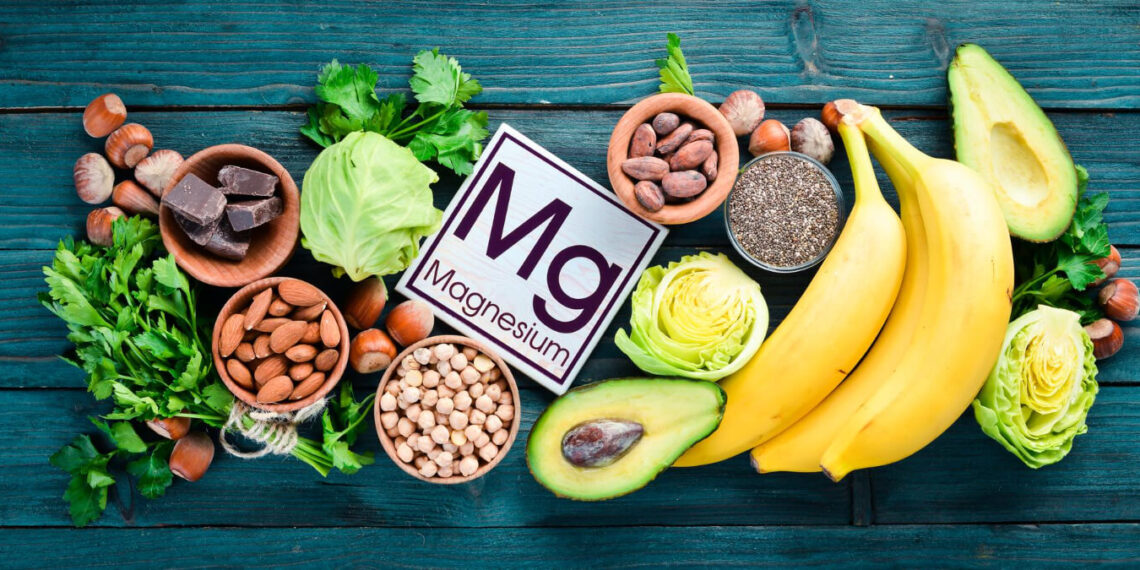
The 15 Best Foods High in Magnesium
1. Pumpkin Seeds
If magnesium-rich foods had a king, it would be pumpkin seeds. One ounce (about 30 grams, or a small handful) provides roughly 150 mg of magnesium. That’s nearly 40% of the daily value in a single serving. Eat them raw rather than roasted to preserve more of the magnesium content.
2. Cooked Spinach
One cup of cooked spinach contains about 157 mg of magnesium. Around 40% of the daily value. Here’s the pro tip most articles miss. Cooking spinach down reduces its volume dramatically, which means you can eat way more magnesium in a single sitting than from raw spinach.
3. Dark Chocolate
This is the one everyone hopes is true and actually is. A 1-ounce serving of dark chocolate (70%+ cocoa) provides about 64 mg of magnesium. That’s 16% of the daily value, plus antioxidants. The caveat: this only works with genuinely dark chocolate. Milk chocolate is mostly sugar with trace cocoa.
4. Almonds
A 1-ounce serving (about 23 almonds) provides 80 mg of magnesium. Roughly 20% of the daily value. Almonds are easy to incorporate. As a snack, in trail mix, ground into almond butter, slivered onto salads.
5. Black Beans
A cup of cooked black beans delivers around 120 mg of magnesium. About 30% of the daily value. Beans are underrated. They’re cheap, shelf-stable, high in protein and fiber, and one of the most efficient ways to add magnesium to a meal.
6. Avocado
One medium avocado provides about 58 mg of magnesium, plus healthy fats, potassium, and fiber. The fat content also helps with absorption of other fat-soluble nutrients from your meal. Deserves its reputation, even at $3 apiece.
7. Cashews
A 1-ounce serving of cashews delivers about 83 mg of magnesium. Around 21% of the daily value. Cashew butter is also genuinely good. For people who find peanut butter too heavy, it’s a worthwhile swap.
8. Edamame
One cup of cooked edamame provides about 100 mg of magnesium. Plus around 17 grams of protein. This is one of the best vegetarian protein-plus-magnesium combinations available. Frozen edamame from the supermarket is cheap, fast to prepare, and consistent.
9. Salmon
A 3-ounce serving of salmon provides about 26 mg of magnesium. Less than the plant sources, but salmon brings other benefits. Omega-3 fatty acids. High-quality protein. Vitamin D. Two to three servings per week is a reasonable target.
10. Quinoa
One cup of cooked quinoa provides about 118 mg of magnesium. Around 30% of the daily value. Quinoa has become culturally common over the past decade for good reason. Complete protein, gluten-free, cooks faster than rice.
11. Brown Rice
A cup of cooked brown rice provides about 84 mg of magnesium. Around 21% of the daily value. The contrast with white rice becomes obvious. White rice has most of its magnesium stripped out during processing. Brown rice keeps it.
12. Tofu
Half a cup of tofu provides about 53 mg of magnesium, plus 10+ grams of protein. The magnesium content varies depending on whether it’s made with magnesium chloride (more) or calcium sulfate (less). Check the label if it matters to you.
13. Bananas
A medium banana provides about 32 mg of magnesium. Not the highest on this list, but bananas are convenient. Most people associate bananas with potassium (which they’re also high in), but the magnesium contribution is worth noting.
14. Yogurt
A cup of plain yogurt provides around 30 mg of magnesium, plus protein, calcium, and probiotics. Greek yogurt has slightly less magnesium per cup (due to straining), but more protein. Either works as part of a magnesium-conscious diet.
15. Oats
A cup of cooked oats provides about 60 mg of magnesium, plus fiber that supports gut health. Steel-cut and rolled oats retain more magnesium than instant. The difference adds up over years of breakfasts.
A Realistic Day That Hits 400 mg
Building a high-magnesium day is easier than most people assume. Breakfast: oatmeal with banana, pumpkin seeds, and almond butter delivers around 180 mg. Lunch: spinach salad with chickpeas, avocado, and cashews adds another 200 mg. Dinner: salmon with quinoa and edamame adds 150 mg. That’s well over the daily target without even counting dark chocolate as an evening treat.
When Supplements Make Sense
For most healthy adults, magnesium-rich foods can cover the daily requirement without trouble. Some situations make supplements worth considering. Pregnancy. Severe deficiency confirmed by blood test. Migraines (where 400 to 600 mg doses have shown real benefit).
Choosing the Right Supplement Form
If you do supplement, magnesium glycinate or citrate are typically better tolerated than oxide. Threonate may have some advantages for cognitive effects. Avoid going over 350 mg in supplemental form daily without doctor guidance.
What Hurts Absorption
Caffeine and alcohol both increase magnesium excretion. High doses of zinc supplements can interfere with absorption. Calcium taken at the same time competes for absorption. For people on long-term PPIs like Prilosec or Nexium, getting magnesium from food becomes even more important.
The Bottom Line
The wellness industry has hyped magnesium in some genuinely useful ways, but the solution doesn’t have to involve buying 47 different supplements. A diet centered on whole foods (leafy greens, nuts, seeds, beans, whole grains, and some fatty fish) makes hitting the daily target straightforward. Most people who improve their magnesium intake notice real changes in sleep, energy, and muscle function within weeks. The fancy biohacking version of this isn’t really better than the boring version your grandmother could have explained.
Related Articles
- Anti-Inflammatory Diet: Green tea fits naturally into a broader anti-inflammatory eating pattern.
Disclaimer: This article is for informational purposes only and does not constitute medical advice If you suspect a magnesium deficiency or are considering supplements, consult a healthcare provider, particularly if you have kidney conditions.