

Green tea has had a strange decade. It went from “ancient Asian wellness secret” to “thing your aunt’s MLM friend kept pushing” to legitimate research subject with thousands of peer-reviewed studies behind it. Somewhere in the middle, it picked up a reputation for curing roughly everything between cancer and a bad mood.
The truth is messier than either side claims
Some green tea benefits are seriously well-documented. Others are wildly overhyped. A few claims have basically zero evidence behind them. This article covers what the research actually shows, with the inevitable caveats noted where they matter.
What's actually in your cup
A typical cup contains 50 to 100 mg of EGCG, plus caffeine (around 25 to 35 mg, less than half a cup of coffee) and L-theanine. L-theanine is an amino acid that produces the calm-but-alert feeling green tea drinkers swear by. Together, these compounds create effects coffee simply can’t replicate.
Why brewing method matters more than people think
Here’s something most articles skip. How you brew green tea significantly affects how much of the good stuff you actually get. Water that’s too hot (boiling, basically) destroys catechins and makes the tea bitter. Steeping too long does the same. The sweet spot is water around 175°F (80°C) for 2 to 3 minutes.
Most people are brewing it wrong
Most people are essentially making weak, bitter tea that delivers a fraction of the EGCG it could. Just brewing it correctly probably doubles the benefits for the average drinker. Worth knowing if you’ve been making tea the same way for years.
Why brewing method matters more than people think
Here’s something most articles skip. How you brew green tea significantly affects how much of the good stuff you actually get. Water that’s too hot (boiling, basically) destroys catechins and makes the tea bitter. Steeping too long does the same. The sweet spot is water around 175°F (80°C) for 2 to 3 minutes.
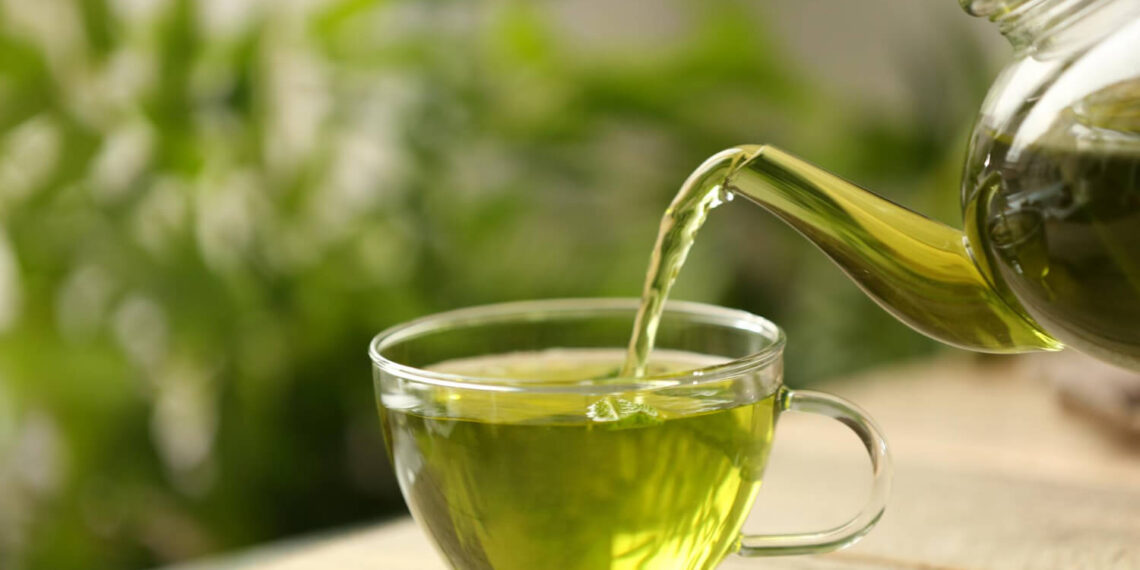
The 12 Science-Backed Green Tea Benefits
1. Real Antioxidant Activity
This is one of the legitimately well-supported green tea benefits, even if “antioxidant” has become a meaningless marketing word. Catechins like EGCG neutralize free radicals that contribute to cellular damage and aging. The effect is genuinely measurable in blood tests after consumption.
2. Improved Brain Function
This is where green tea genuinely shines. The caffeine-plus-L-theanine combination produces something interesting. Caffeine provides alertness. L-theanine takes the edge off and promotes calm focus. Together they create that specific “wired but not jittery” state coffee can’t quite replicate. Studies show improvements in attention, working memory, and reaction time.
3. Lower Cognitive Decline Risk
A 2020 study found that frequent green tea drinkers had a 64% lower risk of memory loss or concentration issues compared to non-drinkers. The protection was about 20% stronger than for black tea drinkers. EGCG appears to reduce molecular markers linked to Alzheimer’s disease in people without current cognitive issues.
4. Modest Weight Loss Support
This one needs honesty. Green tea is not a weight loss miracle. The research does show small but real effects. The combination of EGCG (100 to 460 mg daily) plus caffeine over 12+ weeks has produced statistically significant weight loss. We’re talking a few pounds over months, not the transformation Instagram promises.
5. Better Heart Health
The cardiovascular green tea benefits are some of the most consistent in the research. Regular consumption is associated with lower LDL cholesterol, improved arterial function, and reduced heart disease risk. A 2023 meta-analysis of 28 randomized trials found that green tea extract significantly reduced diastolic blood pressure.
6. Lower Type 2 Diabetes Risk
Several studies have linked regular green tea consumption to improved insulin sensitivity and lower risk of developing type 2 diabetes. The mechanism involves EGCG’s effect on glucose metabolism and reducing the inflammatory markers that drive insulin resistance. For the 38 million Americans with diabetes and 96 million with prediabetes, this matters.
7. Possible Cancer Risk Reduction
This is where evidence is most promising but also most contested Lab studies show EGCG can inhibit cancer cell growth in various cancer types. Observational studies have linked higher consumption to reduced risk of breast, colon, lung, prostate, and stomach cancers.
8. Anti-Inflammatory Effects
Chronic inflammation drives most modern diseases, from heart disease to diabetes to dementia. Green tea catechins consistently reduce inflammatory markers in human studies. EGCG inhibits the production of inflammatory cytokines and modulates immune cell behavior.
9. Better Oral Health
This one surprised me when I first dug into it. Green tea has demonstrable effects on dental health. The catechins inhibit bacteria associated with cavities and gum disease. Green tea also reduces inflammation in gum tissue and may help with bad breath caused by oral bacteria.
10. Improved Skin Health
Both topical and oral green tea show benefits for skin. Drinking it provides antioxidants that may protect against UV damage from inside. Topical applications have been shown to reduce signs of aging, redness, and acne severity. Many skincare products now include green tea extract for these reasons.
11. Mild Anti-Anxiety Effects
Green tea contains L-theanine, an amino acid that promotes relaxation without causing drowsiness. Studies show L-theanine increases alpha brain wave activity, the pattern associated with relaxed alertness. For people who find coffee makes them anxious, switching to green tea often produces a noticeable difference within weeks.
12. Improved Gut Health
The catechins in green tea act as prebiotics, feeding beneficial gut bacteria while inhibiting harmful ones. Research has linked regular consumption to more diverse gut microbiomes and lower levels of bacteria associated with inflammation and disease.
How much should you actually drink?
The research suggests 3 to 5 cups daily produces the most consistent benefits without crossing into territory where caffeine or compound interactions become problematic. For people sensitive to caffeine, decaffeinated green tea still contains most of the catechins (though slightly fewer than regular).
Timing matters for absorption
Drinking green tea between meals tends to be more effective for absorption. Drinking it with iron-rich foods can reduce iron absorption, which matters for people prone to iron deficiency. Worth knowing if you fall in that group.
What about Matcha?
Matcha is essentially powdered green tea where you consume the entire leaf rather than steeping and discarding it. The concentration of EGCG and other compounds is significantly higher per serving. A cup of matcha can deliver 3 to 5 times more catechins than a brewed cup. The trade-off is cost and higher caffeine.
Should you take Green Tea supplements?
This is where things get genuinely risky, and most articles don’t say it clearly enough. Concentrated EGCG supplements have been linked to liver toxicity in some cases. The FDA has received reports of liver injury from high-dose green tea extract supplements.
How to supplement safely if you choose to
The risk appears specific to concentrated supplements, not the tea itself. Drinking many cups of green tea hasn’t shown the same risk. If you’re going to use supplements, stick to lower doses (under 500 mg EGCG daily) and take them with food. For most people, just drinking the tea is the safer and more enjoyable option.
Who should be cautious
Most people can drink green tea safely. A few groups should pay attention. People on blood thinners (like warfarin), pregnant women (limit to 1 to 2 cups daily), those with iron deficiency anemia, and anyone with liver conditions should avoid high-dose supplements specifically.
The Bottom Line
Of all the wellness trends that get hyped beyond their evidence, green tea is one of the few where most claims hold up reasonably well. Not as a miracle cure. Not as a weight loss shortcut. But as a daily habit supporting cardiovascular health, brain function, blood sugar regulation, and a dozen other systems with low risk and high enjoyability, the science genuinely supports it.
Related Articles
- Anti-Inflammatory Diet: Green tea fits naturally into a broader anti-inflammatory eating pattern
- Foods High in Magnesium: Another evidence-backed natural approach to better health
Disclaimer: This article is for informational purposes only and does not constitute medical advice. Talk to a healthcare provider before starting any new supplement, particularly if you’re pregnant, breastfeeding, or taking medications.