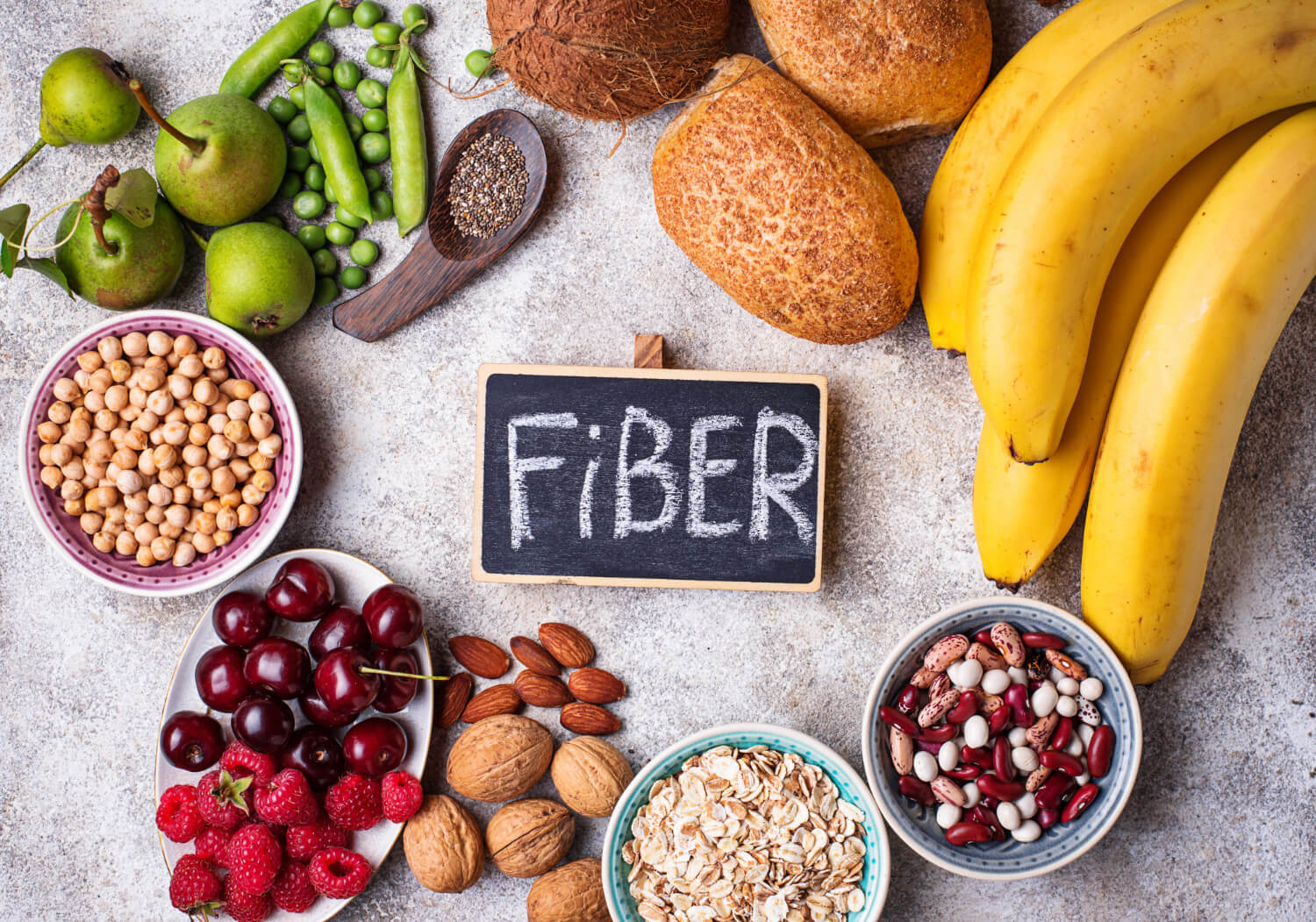
Fiber went from boring health advice to viral trend in 2026. TikTok invented “fibermaxxing.” Grocery aisles are stacked with high-fiber everything. Registered dietitians are excited for the first time in years. Even the food industry noticed and started adding fiber to products that never had any. The reason for all this attention is that the science on fiber keeps getting more impressive.
Why fiber suddenly matters
Two things happened simultaneously. GLP-1 medications like Ozempic went mainstream. And research kept showing that foods high in fiber naturally increase GLP-1 hormone production in the body. Some nutritionists started calling fiber “nature’s Ozempic.” The comparison is generous but not entirely wrong. Fiber increases satiety hormones, slows digestion, and produces effects that share mechanisms with GLP-1 drugs.
The gap between what's needed and what's eaten
Most people in the US, UK, Canada, and Australia don’t get enough fiber. Not even close. The daily recommendations are 25 grams for women and 38 grams for men. Average intake in Tier 1 countries falls between 10 and 17 grams daily. That gap has real consequences for weight, blood sugar, cholesterol, and gut health.
The two types of fiber that do different things
Not all fiber is the same. Understanding the difference helps you eat more strategically. Soluble fiber dissolves in water and forms a gel-like substance. It lowers cholesterol, stabilizes blood sugar, and feeds gut bacteria. Insoluble fiber doesn’t dissolve. It adds bulk to stool, promotes regularity, and supports colon health.
Why gut bacteria matter more than you think
Fiber is the primary fuel source for the trillions of microbes living in your gut. This microbiome affects your immune system, mood, metabolism, and inflammation levels. According to registered dietitian Yasi Ansari, quoted in NPR’s May 2026 coverage of the fibermaxxing trend, adding more fiber requires strategy. Increase intake gradually or you’ll experience uncomfortable side effects (bloating, gas, cramping) while your microbiome adjusts.
Health benefits of foods high in fiber keep expanding
Research published in PMC identified fiber’s role in reducing risk of cardiovascular disease, colorectal cancer, constipation, and metabolic disorders. Type 2 diabetes management also benefits significantly. At least 14 grams per 1,000 calories consumed has been recommended by dietitians. That translates to roughly 25 grams daily for most adults. Consistently including these foods has documented benefits across multiple systems.
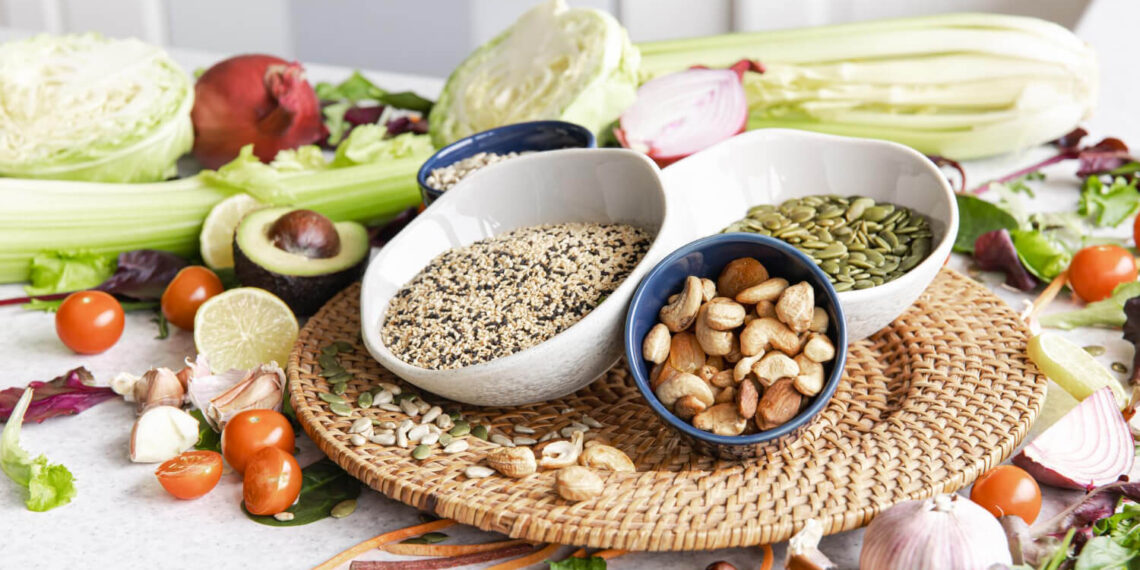
15 foods high in fiber worth adding to your rotation
1. Chia seeds (10g per 1 oz)
Chia seeds are one of the highest-fiber foods you can eat. A single ounce (about 2 tablespoons) delivers 10 grams. They also contain omega-3 fatty acids, calcium, and protein. Chia expands when soaked, making them perfect for overnight puddings, smoothies, or sprinkled on yogurt. The mucilaginous coating produces satiety effects similar to prescription medications.
2. Lentils (15g per cup, cooked)
Cooked lentils deliver about 15 grams of fiber per cup. They’re also loaded with plant protein, folate, iron, and potassium. Red, green, brown, and black lentils all work. They cook quickly (20 to 30 minutes), require no soaking, and work in soups, salads, curries, and stews. Few foods offer this much nutrition for so little cost.
3. Black beans (15g per cup, cooked)
One cup of cooked black beans provides about 15 grams of fiber. Kidney beans, navy beans, and pinto beans are all similar. Beans are the most affordable source of high-quality fiber and protein available. They keep blood sugar stable, support heart health, and feed beneficial gut bacteria. Adding a serving to daily meals transforms fiber intake.
4. Split peas (16g per cup, cooked)
Split peas often get overlooked but pack impressive fiber content. A cup cooked delivers about 16 grams. They’re the base for traditional split pea soup and Indian dals. Split peas cook faster than whole peas and produce a creamy texture that works in many dishes. Extremely inexpensive and nutritionally dense.
5. Avocado (10g per whole fruit)
A whole avocado provides about 10 grams of fiber along with healthy monounsaturated fats. The combination supports satiety and cardiovascular health. Avocados work in savory dishes, on toast, in salads, or added to smoothies for creaminess. The soluble fiber content helps stabilize blood sugar. One of the few foods high in fiber that people actually crave.
6. Raspberries (8g per cup)
Raspberries deliver 8 grams of fiber per cup with minimal calories. They also provide antioxidants and vitamin C. Blackberries offer similar fiber content. Both work in yogurt, oatmeal, smoothies, or eaten as snacks. Frozen berries are just as nutritious as fresh and typically much cheaper.
7. Oats (8g per cup, dry)
Oats provide about 8 grams of fiber per dry cup. Their soluble fiber (beta-glucan specifically) has documented cholesterol-lowering effects. Steel-cut oats and rolled oats work best. Instant oats retain fiber but often have added sugar. Overnight oats are the easiest way to make oats work in busy schedules. One of the most researched foods high in fiber available.
8. Artichokes (10g per medium)
A single medium artichoke provides about 10 grams of fiber. They’re one of the most fiber-dense vegetables available. Fresh artichokes require more prep, but jarred or canned artichoke hearts work in salads, pasta dishes, and pizzas. They also contain prebiotics that specifically feed beneficial gut bacteria.
9. Almonds (4g per ounce)
An ounce of almonds (about 23 almonds) provides 4 grams of fiber. They also deliver protein, healthy fats, magnesium, and vitamin E. Almonds are the perfect grab-and-go snack. A daily handful contributes meaningfully to fiber targets while providing sustained energy. Pistachios and walnuts offer similar benefits.
10. Pears (6g per medium fruit)
A medium pear delivers about 6 grams of fiber, most of it in the skin. Peeling them removes much of the benefit. Pears are portable, don’t require refrigeration, and have naturally sweet flavor. They work as snacks, in salads, or paired with cheese. Apples provide similar fiber content and benefits.
11. Broccoli (5g per cup, cooked)
Cooked broccoli delivers 5 grams of fiber per cup. Combined with sulforaphane and other beneficial compounds, it’s one of the most nutrient-dense foods available. Broccoli works roasted, steamed, in stir-fries, or eaten raw with hummus. Adding it to daily meals significantly boosts fiber intake without adding many calories.
12. Sweet potatoes (7g per medium, with skin)
A medium sweet potato with skin provides about 7 grams of fiber. They’re rich in beta-carotene, potassium, and vitamin C. Sweet potatoes work as sides, in bowls, mashed, roasted, or baked. Eating the skin doubles the fiber content. Regular potatoes with skin provide similar benefits.
13. Whole grain bread (2-4g per slice)
Whole grain bread delivers 2 to 4 grams of fiber per slice depending on the specific type. Read labels because many “whole grain” products contain minimal fiber. Look for breads with at least 3 grams per slice and whole grains as the first ingredient. Sprouted grain breads often provide even more fiber. Two slices at breakfast easily contribute 6 to 8 grams.
14. Popcorn (4g per 3 cups, air-popped)
Air-popped popcorn provides about 4 grams of fiber per 3-cup serving. It’s a whole grain, low in calories, and satisfying. The key is preparation. Movie theater and microwave popcorn often contain excessive fat and salt. Air-popped popcorn with minimal butter or olive oil is a legitimate high-fiber snack.
13. Prunes (7g per cup)
A medium sweet potato with skin provides about 7 grams of fiber. They’re rich in beta-carotene, potassium, and vitamin C. Sweet potatoes work as sides, in bowls, mashed, roasted, or baked. Eating the skin doubles the fiber content. Regular potatoes with skin provide similar benefits.
The fibermaxxing warning
Increasing fiber intake too quickly causes real problems. Bloating, gas, cramping, and digestive discomfort are common when people go from 12 grams daily to 40 grams overnight. The right approach is gradual. Add 5 grams weekly. Drink more water as you increase fiber (essential). Give your gut microbiome time to adjust. Most digestive complaints from “fiber” are actually complaints about doing it too fast.
Why fiber supplements aren't the same
Fiber pills, powders, and gummies fill a gap when whole foods aren’t feasible. They don’t replace whole foods effectively. Whole foods deliver fiber plus vitamins, minerals, antioxidants, and phytonutrients that supplements don’t contain. Different types of natural fiber feed different beneficial bacteria. Supplements can help but shouldn’t be the primary strategy.
Practical strategies for hitting daily targets
Getting 25 to 38 grams daily requires deliberate planning. A few strategies make it easier. Include beans or lentils at one meal daily. Choose whole grains over refined. Eat fruit with meals rather than juice. Add nuts or seeds as snacks. Include vegetables at every meal. Keep the skins on when appropriate.
Common mistakes to avoid
Some approaches to high fiber intake create problems rather than solving them. Relying on processed “fiber-added” products (often contain synthetic fibers with different effects). Ignoring water intake (crucial with high fiber). Peeling fruits and vegetables unnecessarily. Overcooking vegetables into fiber-degraded mush. Not distinguishing soluble vs insoluble sources.
The bottom line
Adding foods high in fiber to your daily routine is one of the highest-impact nutritional changes available. The 2026 research keeps reinforcing what dietitians have said for years.
Beans, lentils, chia seeds, avocados, berries, oats, and vegetables should form the foundation of daily eating. Aim for 25 to 38 grams daily, but increase gradually to avoid digestive distress.
The fibermaxxing trend may be new, but the underlying science isn’t. Fiber-rich diets have consistently been associated with lower disease risk, better weight management, improved gut health, and healthier aging.
Related Articles
- Anti-Inflammatory Diet: Many high-fiber foods overlap with anti-inflammatory eating patterns
- Foods High in Magnesium: Several magnesium-rich foods are also excellent fiber sources
- Fatty Liver Disease Symptoms: High fiber intake helps reverse metabolic dysfunction driving fatty liver.
Sources
- Mayo Clinic
- Harvard Health
- Cleveland Clinic
- HopeHealth – Fiber Focus 2026 Trend (March 2026)
- NPR – The Fibermaxxing Trend Has Health Benefits Worth the Hype (May 2026)
- Simplot Food USA – The Rising Fiber Trend 2026 (March 2026)
- Datassential 2026 Nutrition Trends Report
- PMC – Therapeutic Benefits and Dietary Restrictions of Fiber Intake Review
- Harvard T.H. Chan School of Public Health – Fiber Research
- Ketoslimmo – Best High-Fiber Foods 2026 (May 2026)
Disclaimer: This article is for informational purposes only and does not constitute medical advice. If you have digestive conditions, IBS, or diverticulitis, consult a healthcare provider before dramatically increasing fiber intake.